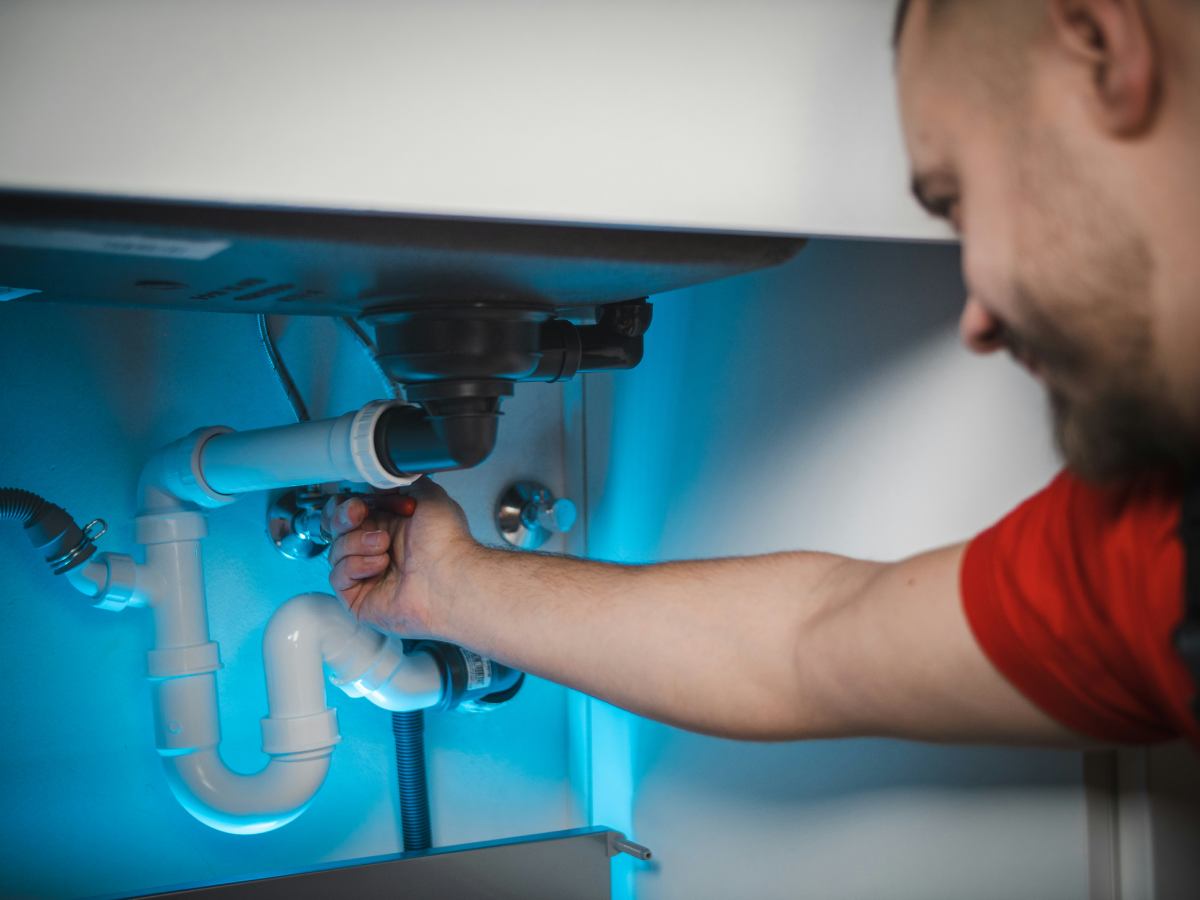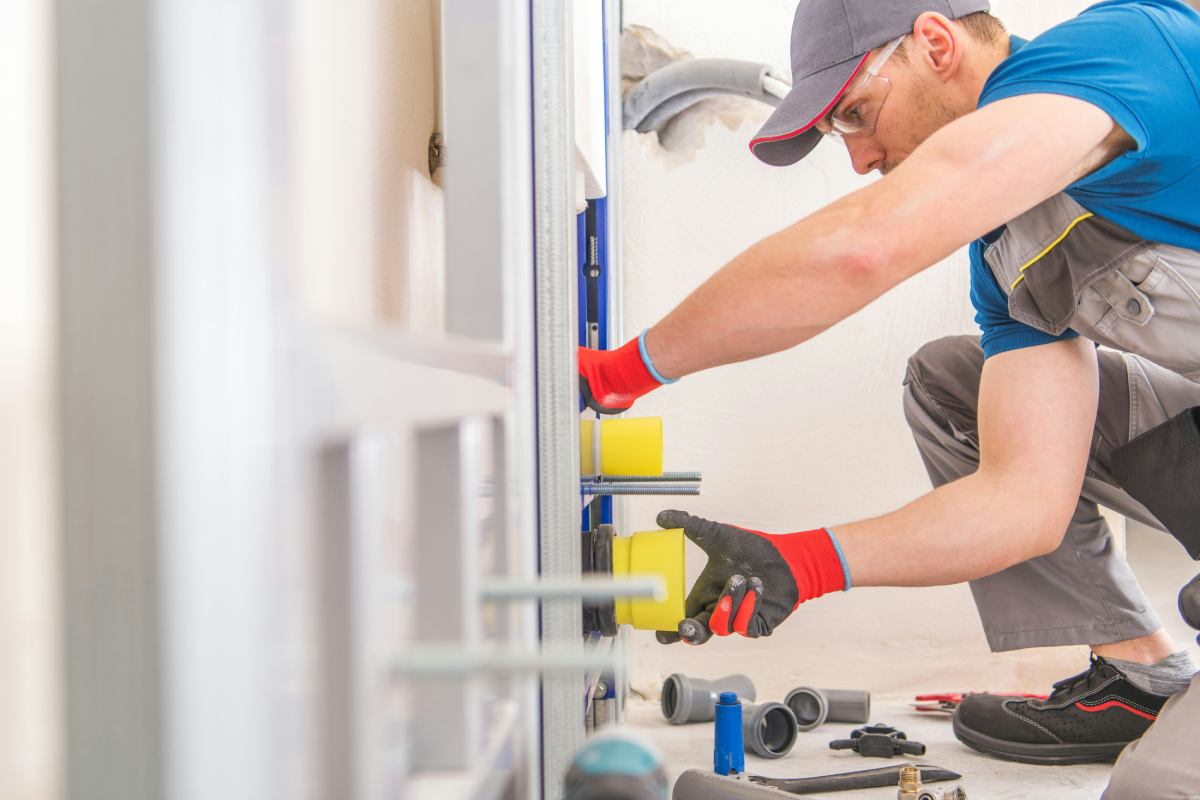
Plumbing issues rarely arrive as major disasters. More often, they begin as small, easy-to-ignore inconveniences—a slow drip, a slight drop in water pressure, or a drain that takes a little longer to clear. The problem is that these minor signs tend to grow into costly repairs when left unchecked. Understanding what causes common plumbing problems and how to prevent them can save both money and stress over time.
This guide breaks down the most frequent household plumbing issues in a simple, practical way, along with clear steps to keep them under control.
Dripping Taps: Small Leak, Big Waste
A dripping tap may seem harmless, but it can waste a surprising amount of water over time. In most cases, the cause is a worn-out washer, a faulty valve, or mineral buildup inside the fixture.
Regularly checking taps for slow leaks is a simple habit that pays off. If you notice even a slight drip, fixing it early prevents further wear. Replacing washers or cleaning internal components is often enough to restore proper function. Avoid overtightening taps, as this can damage internal parts and lead to leaks sooner.
Blocked Drains: A Gradual Build-Up
Blocked drains usually don’t happen overnight. They build up slowly due to hair, grease, soap residue, and food particles. Kitchen sinks often suffer from oil and food waste, while bathroom drains collect hair and soap scum.
Prevention starts with awareness. Avoid pouring grease or oil down the sink, even in small amounts. Using simple drain covers can catch debris before it enters the pipes. Running hot water occasionally helps clear minor buildup, but routine cleaning is the key to avoiding stubborn clogs.
Low Water Pressure: A Hidden Frustration
Low water pressure can turn everyday tasks into a hassle. It often results from mineral deposits in pipes, leaks, or issues with the main water supply.
Start by checking if the problem is isolated to one tap or affects the whole house. Cleaning aerators and showerheads can often restore normal flow. If the issue persists, it may indicate a deeper problem such as pipe corrosion or hidden leaks that require professional attention.
Running Toilets: Constant Water Loss
A running toilet is one of the most common plumbing problems, and it can waste a significant amount of water if ignored. The usual cause is a worn flapper, a misaligned float, or an issue with the fill valve.
The solution is often straightforward. Opening the tank and inspecting the components can quickly reveal the issue. Replacing worn parts is inexpensive and prevents long-term water waste. Keeping an eye on unusual sounds or continuous water movement in the bowl helps catch the problem early.
Leaking Pipes: Damage Behind the Scenes
Leaking pipes are more serious because they often go unnoticed until damage appears. Moisture behind walls or under floors can lead to mould, structural damage, and higher repair costs.
Look out for subtle signs such as damp patches, peeling paint, or an unexplained increase in your water bill. Regularly checking exposed pipes for corrosion or small leaks is a good habit. Proper insulation also protects pipes from temperature changes, reducing the risk of cracks and leaks.
Water Heater Issues: Inconsistent Comfort
Hot water problems can disrupt daily routines quickly. Common issues include inconsistent temperature, unusual noises, or a complete lack of hot water. These problems are often caused by sediment buildup, worn heating elements, or ageing systems.
Flushing the water heater periodically helps remove sediment and maintain efficiency. Setting the correct temperature prevents overheating and reduces strain on the system. If the unit is older, regular servicing ensures it continues to operate safely and reliably.
Seasonal Risks: Preparing for Cold Weather
Cold weather can be particularly harsh on plumbing systems. When temperatures drop, water inside pipes can freeze and expand, leading to cracks or bursts.
Preventing this requires simple preparation. Insulating exposed pipes, especially in unheated areas, reduces the risk of freezing. During very cold periods, allowing a small trickle of water to flow can help prevent pressure buildup. Keeping indoor temperatures consistent also protects internal pipes.
Spotting Hidden Problems Early
Some of the most expensive plumbing issues are the ones you don’t see. Hidden leaks, slow pipe damage, or gradual pressure changes often go unnoticed until they cause visible damage.
Pay attention to early warning signs. Unusual smells, damp areas, reduced water flow, or unexplained increases in utility bills often point to underlying issues. Acting on these signs quickly prevents small problems from turning into major repairs.
When to Handle It Yourself and When to Call a Professional
Not every plumbing issue requires expert help. Minor problems like a dripping tap or a simple blockage can often be managed with basic tools and a little care. However, more complex issues such as persistent leaks, low water pressure across the house, or water heater faults are best handled by a professional.
Knowing the difference is important. Attempting to fix complex problems without proper knowledge can make the situation worse and increase repair costs.
Wrapping Up
Plumbing problems are a part of homeownership, but they don’t have to become expensive emergencies. Most issues develop slowly and provide clear warning signs along the way. By staying attentive, performing regular maintenance, and addressing small problems early, you can avoid major disruptions and costly repairs.
A little awareness goes a long way. Taking simple steps today can protect your home, save money, and keep your plumbing system running smoothly for years to come.