Discover how even the smallest balconies, patios, rooftops, and indoor corners can become thriving green spaces. This guide explores vertical gardening, container planting, smart layouts, and space-saving techniques to maximize limited spaces while creating beautiful, productive, and relaxing gardens perfect for modern urban living.
Gardening is no longer limited to large backyards and sprawling outdoor spaces. More people are now living in apartments, compact homes, and urban environments where every square foot matters. Yet even with limited room, growing plants, herbs, vegetables, and flowers is still entirely possible. In many ways, small space gardening encourages smarter, more creative solutions that make gardening feel more personal and rewarding.
Whether it is a balcony filled with herbs, a rooftop vegetable patch, or a vertical wall of greenery, compact gardens can provide beauty, relaxation, fresh produce, and a stronger connection to nature. With thoughtful planning and the right techniques, even the smallest area can become a productive and inviting green space.
Why Small Space Gardening Continues to Grow
Small space gardening appeals to people for many reasons beyond simple aesthetics. It allows urban residents to reconnect with nature, reduce stress, grow fresh food, and create healthier living environments without needing large outdoor areas.
Compact gardening also supports sustainable living by encouraging:
- Home-grown herbs and vegetables
- Reduced food waste
- Better air quality
- Increased biodiversity
- More efficient use of limited outdoor areas
As cities become more crowded, creative gardening solutions continue to gain attention for helping people maximize underused spaces and improve everyday life.
Understanding the Space You Have
Before choosing plants or containers, it is important to understand how the available space functions throughout the day. A successful small garden depends more on planning than size.
Evaluate Sunlight
Different plants require different levels of sunlight. Observe the area carefully for several days and note:
- Full sun areas
- Partial shade zones
- Fully shaded corners
Balconies, patios, and rooftops often receive uneven sunlight due to nearby buildings or railings. Understanding light conditions helps prevent frustration later.
Measure Available Space
Small gardening works best when every inch is used intentionally. Measure:
- Floor space
- Wall height
- Railings
- Windowsills
- Hanging opportunities
Even narrow corners and vertical surfaces can become valuable growing areas.
Consider Weight and Drainage
For balconies and rooftops, weight matters. Heavy pots, wet soil, and large planters can quickly add pressure to structures. Lightweight containers and proper drainage systems help avoid damage while keeping plants healthy.
Vertical Gardening: Growing Up Instead of Out
Vertical gardening is one of the most effective solutions for limited areas. Instead of expanding across the ground, plants grow upward using walls, shelves, trellises, or hanging systems.
This method creates more room to grow without sacrificing walking space.
Popular Vertical Gardening Ideas
Wall Planters
Mounted wall planters work well for herbs, flowers, and leafy greens. They also create attractive living walls that add texture and color to small spaces.
Hanging Baskets
Hanging baskets are ideal for strawberries, trailing flowers, cherry tomatoes, and herbs. They keep plants off the floor while adding visual interest.
Trellises and Climbing Supports
Plants like cucumbers, beans, peas, and climbing roses naturally grow upward. Vertical plant supports dramatically increase planting capacity.
Tiered Shelving
Tiered shelving allows multiple layers of gardening in one compact footprint. This works especially well for herbs and small potted vegetables.
Vertical gardening not only saves space but also improves airflow and sunlight exposure for many plants.
Container Gardening for Flexibility and Control
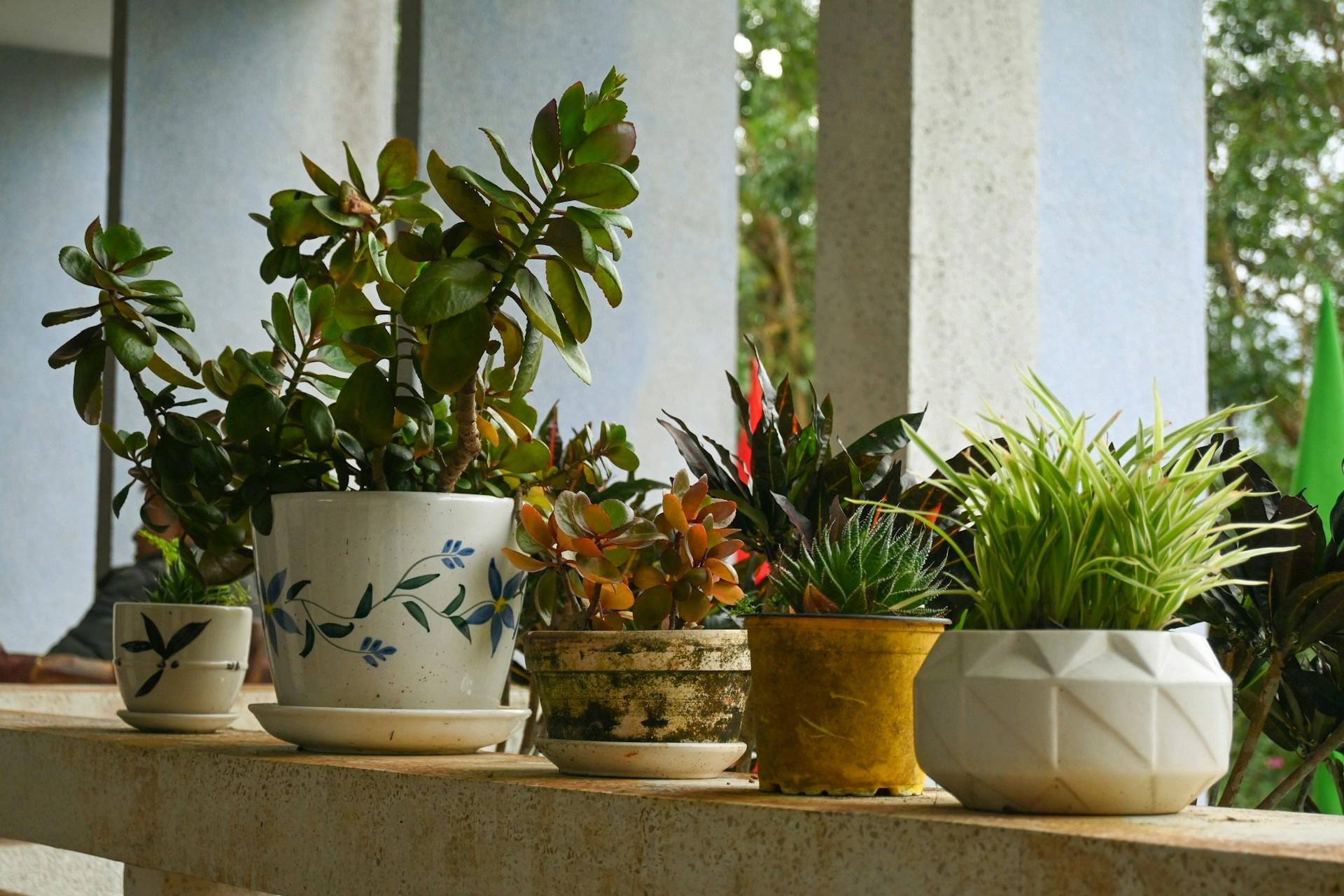
Container gardening remains one of the easiest and most versatile ways to garden in small spaces. Pots, raised containers, grow bags, and window boxes allow people to grow almost anything with the right care.
One major advantage is flexibility. Containers can be moved based on sunlight, weather, or seasonal changes.
Best Plants for Containers
Certain plants adapt especially well to compact growing environments.
Herbs
- Basil
- Mint
- Rosemary
- Thyme
- Parsley
Herbs thrive in containers and are easy to maintain on balconies or kitchen windowsills.
Vegetables
- Cherry tomatoes
- Lettuce
- Spinach
- Radishes
- Peppers
Many vegetables grow surprisingly well in medium-sized pots with good drainage and sunlight.
Flowers
Compact flowering plants brighten small gardens while attracting pollinators like bees and butterflies.
Good choices include:
- Marigolds
- Petunias
- Lavender
- Geraniums
Choosing the Right Containers
Different containers suit different gardening goals.
Terracotta Pots
These allow excellent airflow but dry out faster in warm weather.
Plastic Containers
Lightweight and affordable, plastic pots retain moisture well and are easy to move.
Fabric Grow Bags
Grow bags provide strong drainage and support healthy root growth while remaining lightweight.
Window Boxes
Perfect for herbs, flowers, and shallow-root vegetables in compact areas.
Whatever container you choose, proper drainage holes are essential.
Smart Layouts That Make Small Gardens Feel Bigger
A well-planned layout can make a tiny space feel surprisingly open and functional.
Group Plants by Needs
Place plants with similar sunlight and watering needs together. This simplifies maintenance and improves growing conditions.
Use Corners Efficiently
Corners often become wasted space. Corner shelves, stacked planters, or vertical racks help maximise these areas effectively.
Create Layers
Mixing tall, medium, and trailing plants creates depth and makes small gardens feel fuller without overcrowding.
Leave Walking Space
Overfilling a small garden can make it feel cluttered. Leave enough room to move comfortably and access plants easily.
A balanced layout improves both appearance and practicality.
Maximizing Sunlight in Compact Spaces
Limited sunlight is one of the biggest challenges in urban gardening. Fortunately, a few adjustments can make a major difference.
Use Reflective Surfaces
Light-coloured walls and reflective materials can help bounce sunlight into darker areas.
Rotate Containers Regularly
Turning pots every few days encourages even plant growth and prevents leaning.
Choose Shade-Tolerant Plants
Not every garden receives full sunlight. Fortunately, many shade-tolerant plants thrive in lower light conditions.
Good options include:
- Lettuce
- Spinach
- Ferns
- Mint
- Peace lilies
Choosing the right plants for the environment often matters more than forcing unsuitable varieties to survive.
Small Space Vegetable Gardening
Growing food in limited spaces has become increasingly popular because it combines sustainability with practicality.
Even small patios or balconies can produce fresh ingredients for daily cooking.
Focus on High-Yield Crops
Choose high-yield crops that produce frequently in small areas.
Examples include:
- Cherry tomatoes
- Chillies
- Leafy greens
- Spring onions
- Herbs
These plants provide continuous harvests without requiring large garden beds.
Practice Succession Planting
Instead of planting everything at once, stagger planting schedules. This keeps harvests consistent throughout the season.
Use Companion Planting
Companion planting allows certain plants to support each other naturally by improving growth or deterring pests.
For example:
- Basil near tomatoes
- Marigolds near vegetables
- Lettuce beneath taller plants
This approach improves efficiency in compact gardens.
Conclusion
Small-space gardening proves that limited space need not limit creativity or productivity. With thoughtful planning, vertical gardening methods, container gardening, and efficient garden layouts, even compact balconies, patios, rooftops, and indoor corners can become thriving green spaces.
The key is working with the available environment rather than against it. Choosing suitable plants, maximizing sunlight, and using space efficiently allow gardeners to create attractive, functional spaces that suit modern living conditions.
As urban lifestyles continue evolving, space-saving gardening solutions will remain valuable because they make nature accessible, practical, and rewarding for almost everyone. Whether growing herbs on a windowsill or building a balcony vegetable garden, small gardens continue proving that meaningful greenery can thrive almost anywhere.