Indoor air plays a bigger role in your daily comfort than most people realise. It affects how well you sleep, how often you sneeze, and even how focused you feel during the day. Yet, because it is invisible, poor air quality often goes unnoticed until symptoms begin to show.
Creating a healthier indoor environment does not require major renovations or expensive upgrades. With a few consistent habits and smart adjustments, you can significantly improve the air you and your family breathe every day.
Why Indoor Air Quality Matters
The air inside your home can sometimes be more polluted than the air outside. Everyday activities like cooking, cleaning, and even relaxing on furniture release particles into the air. Over time, these pollutants build up and start affecting your health.
Poor indoor air quality is commonly linked to:
- Allergies and sneezing
- Headaches and fatigue
- Breathing discomfort
- Poor sleep quality
For children, older adults, and those with asthma, the impact can be even more noticeable. Clean air supports better sleep, improved concentration, and overall well-being.
Common Causes of Poor Indoor Air
Understanding what affects your indoor air is the first step toward improving it. The most common causes include:
- Dust that settles on surfaces and circulates in the air
- Pet dander, even from well-groomed animals
- High humidity that encourages mould growth
- Poor ventilation that traps pollutants indoors
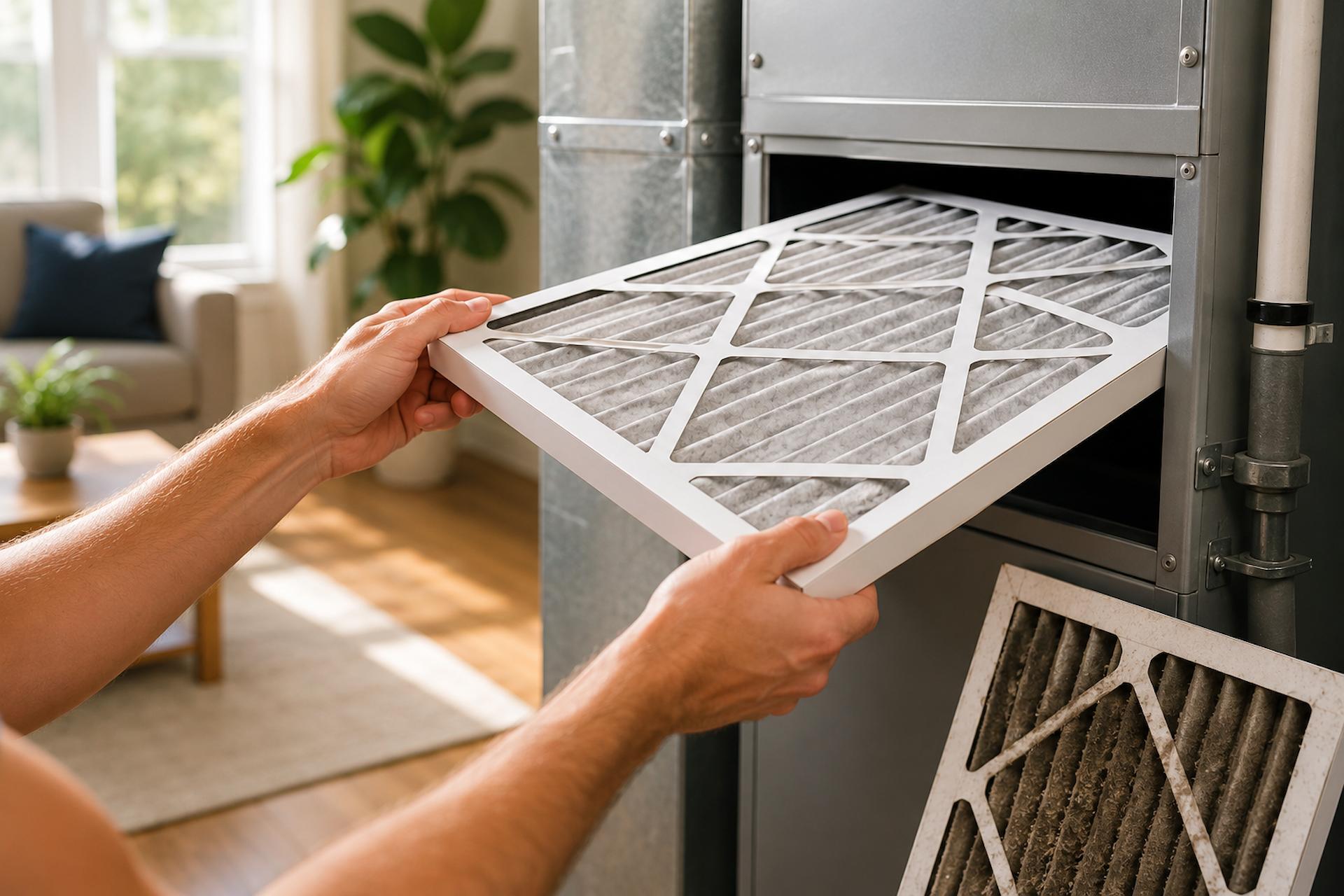
- Outdated or clogged HVAC filters
Each of these factors contributes to a gradual decline in air quality if not addressed.
Signs Your Indoor Air Needs Attention
Your home often gives subtle signs when the air quality is not ideal. Watch for the following:
- A constant stale or musty smell
- Condensation forming on windows
- Increased allergy symptoms indoors
- Frequent coughing or throat irritation
- Feeling tired or congested after waking up
Recognising these signs early helps you take action before the issue worsens.
The Role of HVAC Maintenance
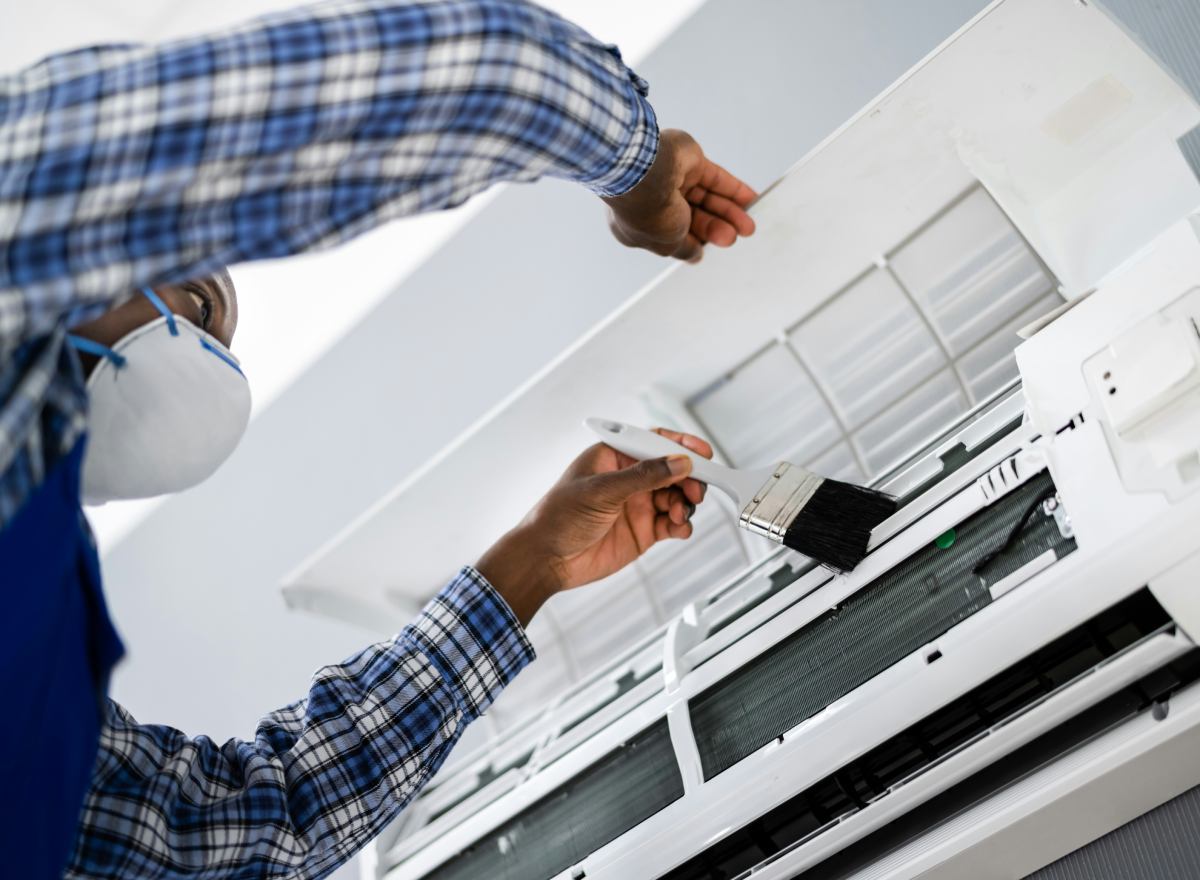
Your heating and cooling system plays a central role in maintaining air quality. When filters are clean and the system is well-maintained, it helps remove dust, allergens, and airborne particles.
To keep your HVAC system effective:
- Change air filters every 1–3 months
- Schedule regular system maintenance
- Check for dust buildup in ducts
- Ensure proper airflow throughout the home
These simple steps can make a noticeable difference in the quality of air circulating indoors.
Managing Humidity for Better Air
Humidity levels have a direct impact on how comfortable and healthy your indoor air feels. When humidity is too high, it creates the perfect environment for mould and mildew. When it is too low, it can cause dryness and irritation.
To maintain balanced humidity:
- Use a dehumidifier in damp areas
- Add a humidifier during dry seasons
- Fix leaks or water issues promptly
- Keep indoor humidity between 30% and 50%
Balanced humidity improves both air quality and overall comfort.
Improving Ventilation in Your Home
Fresh air circulation is essential for reducing indoor pollutants. Without proper ventilation, contaminants remain trapped inside and continue to build up over time.
You can improve ventilation by:
- Opening windows daily for fresh air
- Using kitchen and bathroom exhaust fans
- Keeping vents unblocked
- Installing mechanical ventilation systems if needed
These steps help maintain a steady flow of clean air throughout your home.
The Benefits of Air Purifiers
Air purifiers offer an extra layer of protection, especially for households dealing with allergies or pets. These devices capture fine particles that standard filters might miss.
Key benefits include:
- Removal of dust and pollen
- Reduction of pet dander
- Elimination of smoke particles
- Improved overall air freshness
Placing purifiers in bedrooms or living areas can create a cleaner breathing environment.
Controlling Indoor Pollutants
Many everyday items contribute to indoor air pollution without you realising it. Being mindful of these sources can help you reduce exposure.
Common indoor pollutants include:
- Strong cleaning chemicals
- Scented candles and sprays
- Smoke from cooking or tobacco
- Synthetic materials in furniture
Switching to natural alternatives and maintaining regular cleaning habits can significantly improve air quality.
Small Changes That Make a Big Difference
Improving indoor air quality is not about making one big change. It is about building simple habits that work together over time.
Start with these easy steps:
- Let fresh air in regularly
- Keep surfaces clean and dust-free
- Maintain your HVAC system
- Monitor humidity levels
- Use air purifiers where needed
Even small improvements can lead to noticeable results.
Creating a Healthier Living Environment
A healthy home starts with the air you breathe. When indoor air quality improves, so does your overall comfort and well-being. You sleep better, feel more energised, and experience fewer health issues linked to poor air.
By paying attention to the signs, understanding the causes, and taking practical steps, you can transform your indoor environment into a space that truly supports your health. Clean air is not a luxury. It is a necessity, and with the right approach, it is entirely within reach.
Final Thoughts
Improving indoor air quality is not a one-time fix but an ongoing process built on awareness and consistent habits. The air inside your home reflects how well you manage ventilation, cleanliness, and moisture levels. When these elements are balanced, the difference is noticeable almost immediately.
What matters most is taking a practical, steady approach. Small actions like changing filters on time, allowing fresh air in, and keeping humidity under control can create lasting improvements. Over time, these efforts build a healthier indoor environment that supports better breathing, deeper sleep, and overall comfort.