Clean, safe water is something every household depends on, yet many people are unsure how to improve the quality of what comes out of their tap. If you’ve noticed odd tastes, unpleasant smells, or marks on fixtures, your water may need attention. The good news is that there are several reliable filtration options available—each designed to solve specific problems.
This guide breaks down the most common systems, explains how to assess your water, and helps you choose a solution that fits your home, budget, and lifestyle.
Why Water Quality Matters at Home
Water affects more than just what you drink. It plays a role in cooking, cleaning, bathing, and even the lifespan of your appliances. Poor-quality water can lead to:
- Unpleasant taste or odour
- Limescale buildup on taps and kettles
- Stains on sinks, laundry, and bathroom fixtures
- Dry skin and dull hair
- Reduced the efficiency of appliances like washing machines and boilers
Addressing these issues improves both comfort and long-term maintenance costs.
Common Signs Your Water Needs Treatment
Before choosing a system, it helps to recognise the warning signs. You may need water filtration if you notice:
- A metallic, chlorine-like, or musty taste
- White scale deposits on taps or glassware
- Yellow or brown staining in sinks or toilets
- Soap that doesn’t lather easily
- Dry or irritated skin after showering
These signs often point to minerals, chemicals, or contaminants that a filtration system can reduce or remove.
Understanding Your Local Water Quality
Not all water problems are the same. What works for one home may not be suitable for another. Start by checking:
- Your local water supplier’s quality report
- A home water testing kit
- Professional testing for detailed analysis
Look for key factors such as hardness, chlorine levels, heavy metals, and sediment. This step ensures you invest in the right solution rather than guessing.
Types of Water Filtration Systems
There are several popular options, each with its own strengths. Here’s a clear breakdown to help you compare.
1. Jug Filters
Jug filters are simple, affordable, and easy to use.
Best for:
- Improving taste and odour
- Small households or renters
Pros:
- Low upfront cost
- Portable and easy to maintain
Limitations:
- Limited filtration capability
- Requires frequent filter replacement
They are a good starting point but not ideal for addressing serious water quality issues.
2. Under-Sink Filters
Installed beneath the kitchen sink, these systems filter water directly before it reaches your tap.
Best for:
- Drinking and cooking water
- Moderate filtration needs
Pros:
- Better performance than jug filters
- Hidden installation saves space
Limitations:
- Installation required
- Only treats water at one tap
This option strikes a balance between convenience and effectiveness for many homes.
3. Reverse Osmosis Systems
Reverse osmosis (RO) systems use a fine membrane to remove a wide range of contaminants.
Best for:
- Removing heavy metals, salts, and impurities
- Households seeking high-purity drinking water
Pros:
- Highly effective filtration
- Improves taste significantly
Limitations:
- Slower water flow
- Produces some wastewater
- Higher upfront and maintenance cost
RO systems are ideal when water quality is a serious concern.
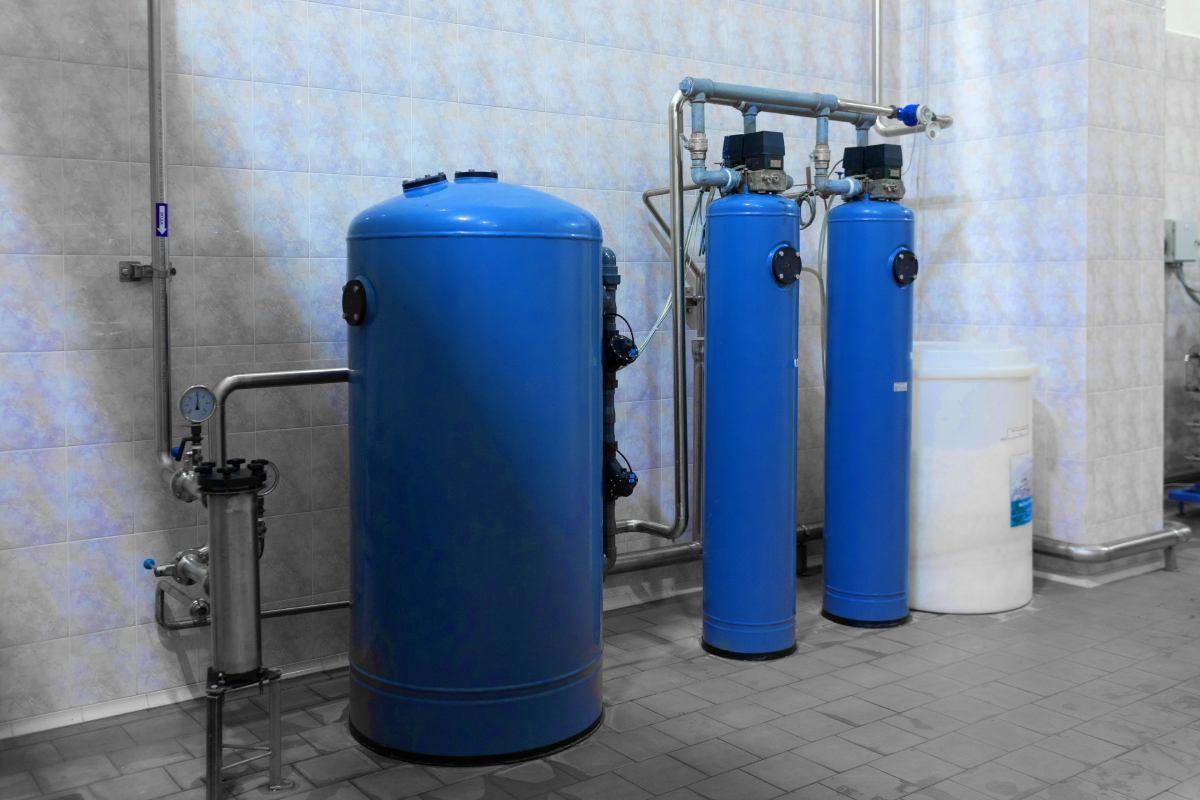
4. Whole-House Filters
These systems treat water at the point it enters your home, ensuring every tap delivers filtered water.
Best for:
- Large households
- Improving water quality throughout the home
Pros:
- Covers drinking, bathing, and cleaning
- Protects plumbing and appliances
Limitations:
- Higher installation cost
- Requires regular servicing
This is a long-term solution for consistent water quality across all uses.
5. Water Softeners
Water softeners focus specifically on removing hardness caused by calcium and magnesium.
Best for:
- Hard water areas
- Preventing scale buildup
Pros:
- Extends lifespan of appliances
- Improves soap efficiency
- Reduces limescale
Limitations:
- Does not remove all contaminants
- Requires salt refills
Often, softeners are used alongside other filtration systems for complete treatment.
How to Choose the Right System
Selecting the right system depends on your specific needs. Consider these key factors:
1. Identify the Problem
Focus on your main concern—taste, hardness, contaminants, or all of the above.
2. Household Size and Usage
Larger families may benefit from whole-house systems, while smaller households may only need under-sink filtration.
3. Budget and Long-Term Costs
Look beyond the initial price. Factor in:
- Replacement filters
- Maintenance
- Energy or water usage (for advanced systems)
4. Maintenance Requirements
Some systems need regular servicing, while others require simple filter changes. Choose what fits your routine.
Maintenance and Replacement Costs
Every filtration system requires upkeep to remain effective. Ignoring maintenance can reduce performance and even affect water quality.
Typical maintenance includes:
- Replacing filters every few months
- Cleaning system components
- Refilling salt (for softeners)
- Annual servicing for larger systems
Understanding these ongoing costs helps avoid surprises and ensures consistent performance.
Long-Term Value and Benefits
Investing in the right system offers clear long-term advantages:
- Better-tasting and safer drinking water
- Reduced need for bottled water
- Lower appliance repair and replacement costs
- Cleaner dishes, laundry, and surfaces
- Improved skin and hair health
Over time, these benefits often outweigh the initial investment.
Final Thoughts
Choosing a water filtration system is not about finding the most expensive option—it’s about finding the right fit for your home. By understanding your water quality, recognising the signs of issues, and comparing available systems, you can make a confident, informed decision.
Clean water is a daily necessity. With the right solution in place, you can enjoy better taste, improved comfort, and long-term peace of mind in your home.