A well-designed garden can change how you use your home. It can give you somewhere to entertain, space for children to play, or a quiet corner to unwind. But turning a tired lawn or awkward plot into a space that works takes more than choosing plants you like. This guide explains what landscape and garden design services involve, what to expect from the process, and how to prepare so you get the most from your investment.
What Do Landscape and Garden Design Services Include?
The two terms are often used interchangeably, but there is a useful distinction. Garden design usually focuses on the look and feel of a space: layout, planting schemes, colour and seasonal interest. Landscape design takes a broader view, covering levels, drainage, structures and how the whole outdoor area connects to your property.
Typical services include:
- Site surveys and measured plans
- Concept layouts and mood boards
- Planting plans and plant selection
- Hard landscaping design, such as patios, paths, steps and retaining walls
- Lighting, water features and irrigation
- Project management and contractor coordination
Why Use a Professional Designer?
A designer sees problems and opportunities that are easy to miss. They can spot a drainage issue before you lay a patio, suggest plants suited to your soil and aspect, and avoid expensive mistakes such as poor sequencing or unsuitable materials. A clear plan also lets you phase the work over several years while keeping the end result cohesive. If you are weighing up your options, a garden design consultant can assess your plot and explain what is realistic before you spend anything on construction. You can read more here: https://artemis.uk.net/landscape-design/ about landscape design and how a professional approach works in practice.
How the Design Process Works
1. Initial Consultation and Brief
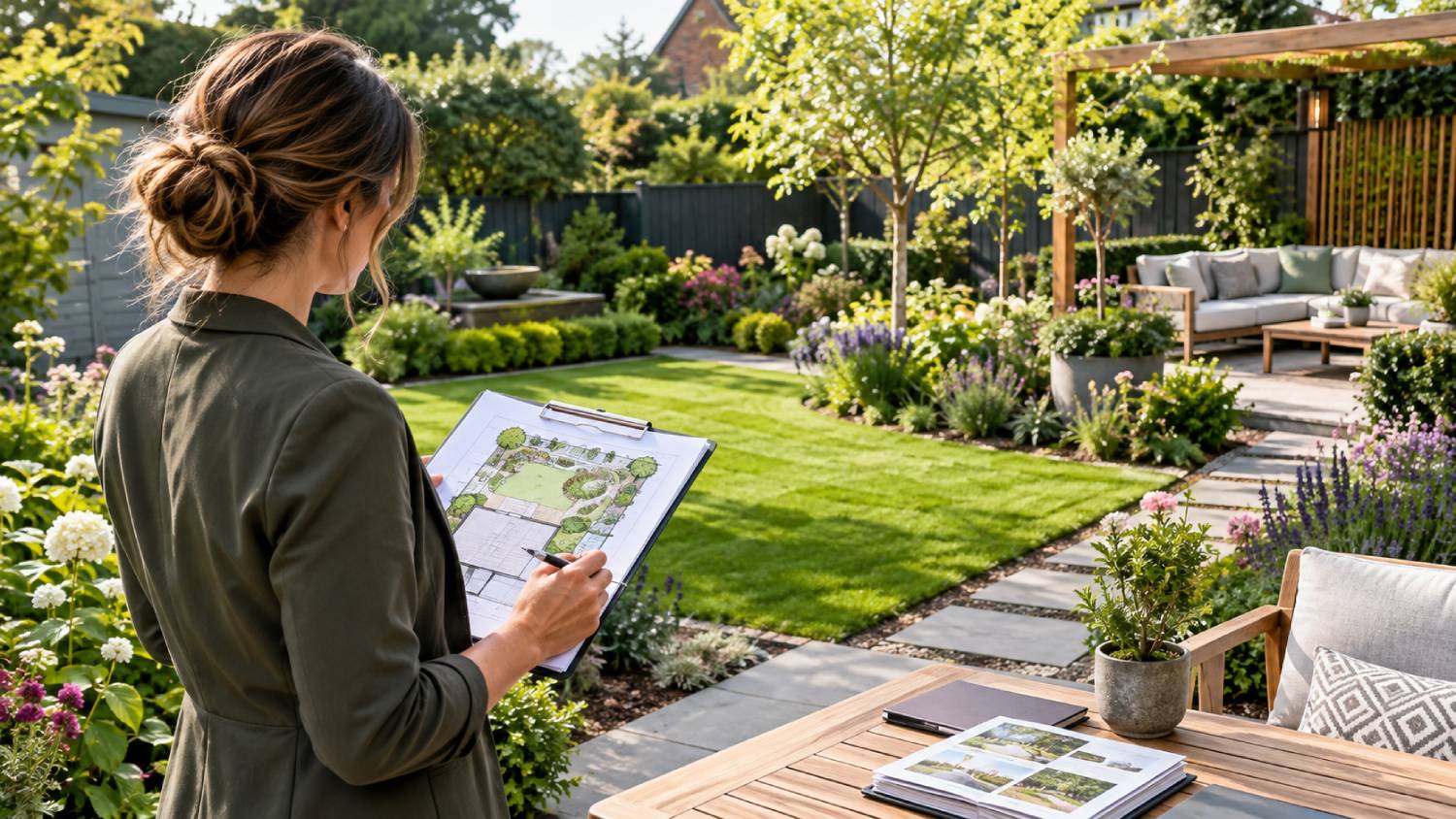
A good designer starts by listening. Expect questions about how you use the garden, who uses it, your maintenance preferences and your budget. They will also assess the site itself, including sunlight, soil, boundaries, slopes and existing trees.
2. Concept Design
You will usually receive a layout showing zones, circulation routes and key features. This stage is the time to challenge ideas and ask questions, as changes are far cheaper on paper than on site.
3. Detailed Plans
Once you approve the concept, the designer produces technical drawings, specifications and planting plans. These allow contractors to price accurately and build to a consistent standard.
4. Construction and Planting
Some designers oversee the build or work with trusted contractors. Autumn is a good time for planting trees, shrubs and hedging, as the soil is still warm and winter rain helps roots establish.
Working With a Landscape Design Consultant
Choosing the right person matters as much as choosing the right design. A landscape design consultant or garden design consultant can guide you through the early decisions, such as budget, priorities and what is realistic for your site, before you commit to construction. Look for someone who asks detailed questions, explains their reasoning and is open about costs and timescales. Many homeowners find that professional landscape design services save time and money overall, because the project is properly planned before any work begins.
When comparing designers, check:
- Examples of completed projects similar to yours
- Professional memberships, such as the Society of Garden Designers or the Landscape Institute
- Client references or reviews
- A clear explanation of fees and what is included
- Whether they carry appropriate insurance
UK Rules to Check Before You Start
Most garden projects do not need planning permission, but some do. Always check with your local planning authority if you are unsure.
- Conservation areas and listed buildings: Extra restrictions may apply to boundaries, outbuildings and work near the house.
- Tree Preservation Orders (TPOs): Work on protected trees usually needs consent, and trees in conservation areas generally require notice.
- Front gardens: Paving over a large area with non-permeable surfacing may require planning permission because of surface water runoff. Permeable materials are a sensible alternative.
- Outbuildings and raised decking: Height and location limits apply under permitted development rules.
- Boundaries and neighbours: Check ownership and, where relevant, the Party Wall etc. Act 1996 before building near shared boundaries.
A competent designer should flag these issues early.
Planning Your Budget
Costs vary widely depending on garden size, materials, access and complexity. Hard landscaping is usually the largest expense, so it helps to decide your priorities early. Ask for a design that can be built in phases, and allow a contingency for unexpected issues such as poor drainage or hidden services. Getting several itemised quotes will help you compare like with like.
Designing for Wildlife and Low Maintenance
Many UK homeowners now want gardens that look good while supporting nature. Practical ideas include:
- Choosing a mix of native and well-suited ornamental plants for pollinators
- Leaving small gaps in fences for hedgehogs
- Using permeable paving to manage rainwater
- Planting densely to reduce weeds
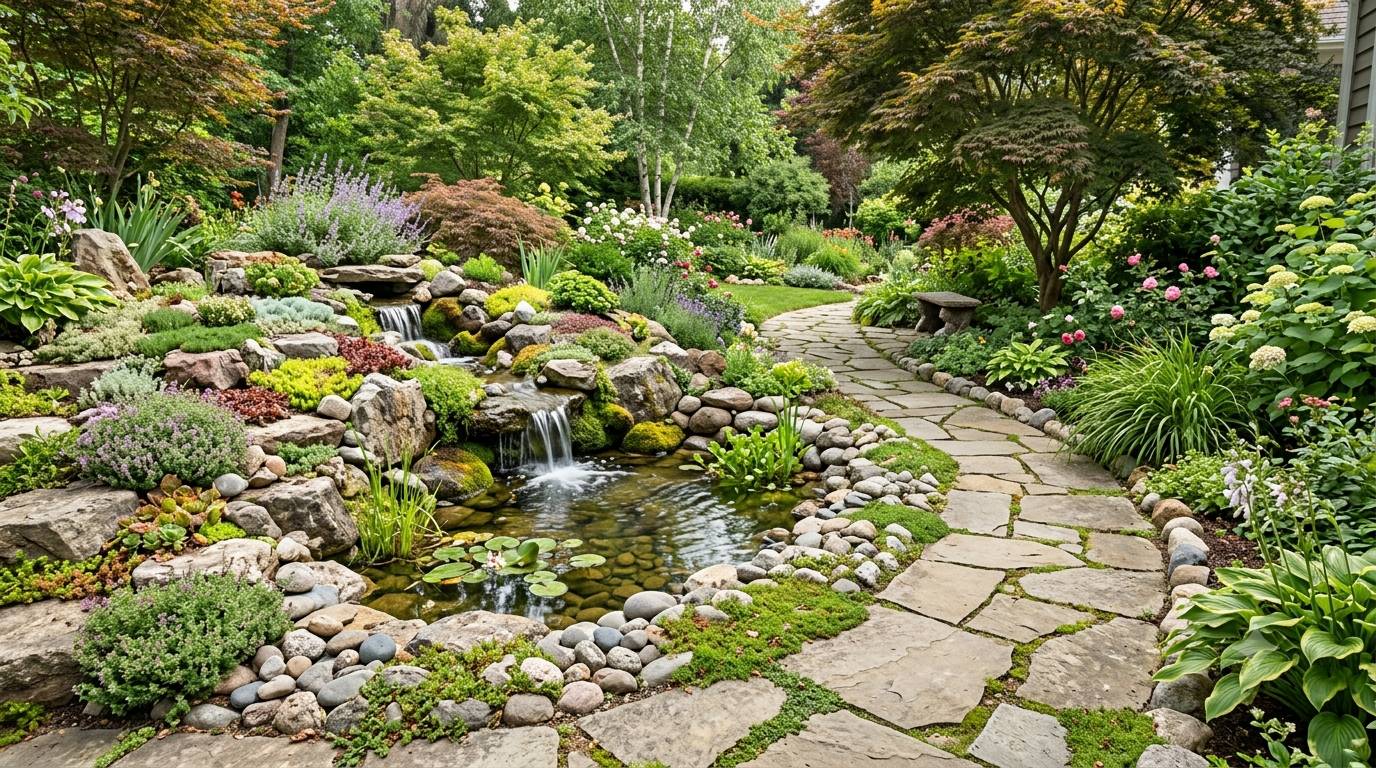
- Adding a small pond, even a modest one, for wildlife
Low maintenance does not mean no maintenance, so be honest with your designer about how much time you want to spend gardening.
Conclusion
Good landscape and garden design services give you a space that suits your lifestyle, works with your site and avoids costly surprises. Start by defining how you want to use your garden, set a realistic budget and choose a landscape design consultant who communicates clearly. When you are ready to take the next step, explore our landscape design services and start planning a garden you can build confidently, in stages if needed, and enjoy for years to come.