Creating a home that is both comfortable and environmentally responsible no longer requires big sacrifices. Sustainable smart living is about making thoughtful choices that reduce waste, save energy, and improve everyday life. With the right approach, even small changes can create a meaningful impact over time.
This guide explores practical ways to build an eco-friendly home that feels modern, efficient, and easy to maintain.
What Sustainable Smart Living Really Means
Sustainable smart living is about balance. It combines modern convenience with responsible consumption, helping you reduce your environmental footprint without giving up comfort.
At its core, it focuses on:
- Using fewer natural resources
- Reducing waste and energy consumption
- Choosing materials and products that last longer
- Making mindful, long-term decisions
It is not about perfection. It is about making better choices, step by step.
Energy Efficiency: The Foundation of a Greener Home
Energy use is one of the biggest factors in a home’s environmental impact. Improving efficiency can lower bills and reduce strain on natural resources.
Simple upgrades can make a noticeable difference:
- Replace traditional bulbs with LED lighting to cut energy use and extend lifespan
- Choose energy-efficient appliances with high ratings
- Use smart thermostats to control heating and cooling more effectively
- Seal windows and doors to prevent energy loss
These changes are easy to implement and quickly start delivering results.
Smarter Material Choices for Everyday Living
The materials used in your home affect both your health and the environment. Choosing sustainable options helps reduce pollution and supports responsible production.
Consider switching to:
- Natural fabrics like cotton, linen, or bamboo instead of synthetic materials
- Furniture made from reclaimed or responsibly sourced wood
- Low-VOC paints to improve indoor air quality
- Durable materials that require less frequent replacement
These choices not only reduce environmental impact but also create a healthier living space.
Reducing Waste Without Complicating Life
Waste reduction does not have to feel overwhelming. It starts with simple habits that gradually become part of your routine.
You can begin with:
- Replacing single-use items with reusable alternatives
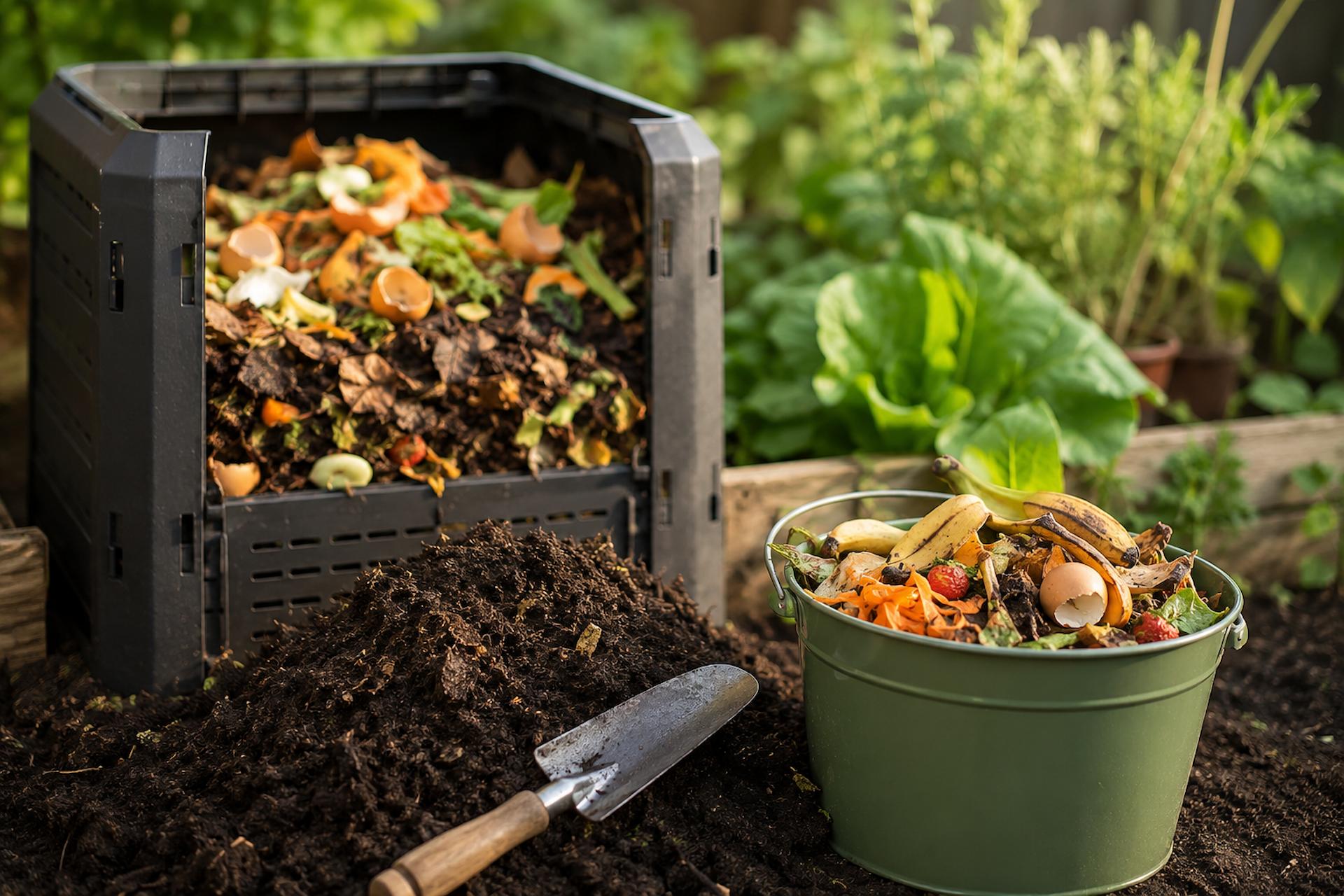
- Composting kitchen waste where possible
- Buying only what you truly need to avoid excess
- Recycling correctly and consistently
Over time, these small actions reduce landfill waste and encourage more mindful consumption.
Water Conservation That Makes Sense
Water is often overlooked, yet it is one of the most valuable resources in any home. Reducing water use does not mean compromising on comfort.
Practical ways to save water include:
- Installing low-flow showerheads and faucets
- Fixing leaks promptly to prevent unnecessary waste
- Using water-efficient washing machines and dishwashers
- Collecting rainwater for gardening where possible
These steps help conserve water while keeping daily routines unchanged.
Building Mindful Consumption Habits
Sustainable living is not just about products. It is also about how you think and make decisions.
Adopting a mindful approach means:
- Choosing quality over quantity
- Supporting brands that follow ethical practices
- Repairing items instead of replacing them immediately
- Thinking long-term before making purchases
This shift in mindset often leads to less clutter, lower costs, and a more intentional lifestyle.
Smart Technology for Sustainable Living
Modern technology can support sustainability when used wisely. Smart systems help track and reduce energy usage, making your home more efficient.
Some useful options include:
- Smart plugs to control electricity usage
- Home energy monitors to track consumption patterns
- Automated lighting systems that reduce unnecessary usage
- Solar panels for renewable energy generation
These tools make it easier to maintain an eco-friendly home without constant effort.
The Long-Term Benefits of Going Green
Sustainable choices are not just good for the environment. They also improve daily life in practical ways.
Over time, you can expect:
- Lower utility bills due to reduced energy and water use
- A healthier indoor environment with fewer toxins
- Less waste and clutter in your home
- Greater long-term savings from durable products
The benefits build gradually, making the effort worthwhile.
Final Thoughts
Sustainable smart living is about making better choices, not perfect ones. Each small step adds up, creating a home that is efficient, comfortable, and environmentally responsible.
By focusing on energy efficiency, thoughtful materials, waste reduction, and mindful habits, you can build a space that supports both your lifestyle and the planet. The key is consistency. Start simple, stay practical, and let your home evolve into a smarter, greener place over time