Home renovations are often associated with large budgets, long timelines, and unexpected costs. Yet many of the most effective home improvements do not require a complete remodel or luxury materials. Small, carefully planned upgrades can dramatically improve comfort, appearance, and functionality without placing unnecessary pressure on your finances.
For many homeowners, the goal is not creating a perfect show home. It is making everyday spaces feel cleaner, brighter, more practical, and more enjoyable to live in. Budget-friendly renovations focus on meaningful improvements that offer lasting value while staying financially realistic. Whether you are refreshing a single room or improving your entire property over time, affordable renovation strategies can help you create a better home without overspending.
Start With a Clear Renovation Plan
One of the biggest mistakes homeowners make is starting projects without a detailed plan. Even small renovations can become expensive when costs are unclear or priorities constantly change.
Before buying materials or hiring contractors, take time to identify:
- Which areas need the most attention
- What problems do you want to solve
- Your maximum budget
- Which projects offer the best long-term value
- What work can you realistically complete yourself
A simple renovation plan prevents impulse spending and helps you stay focused on improvements that genuinely matter.
It is also wise to set aside a small emergency fund for unexpected costs. Even affordable projects can reveal hidden issues such as damaged walls, worn flooring, or outdated wiring.
Refresh Walls With Paint Instead of Replacing Features
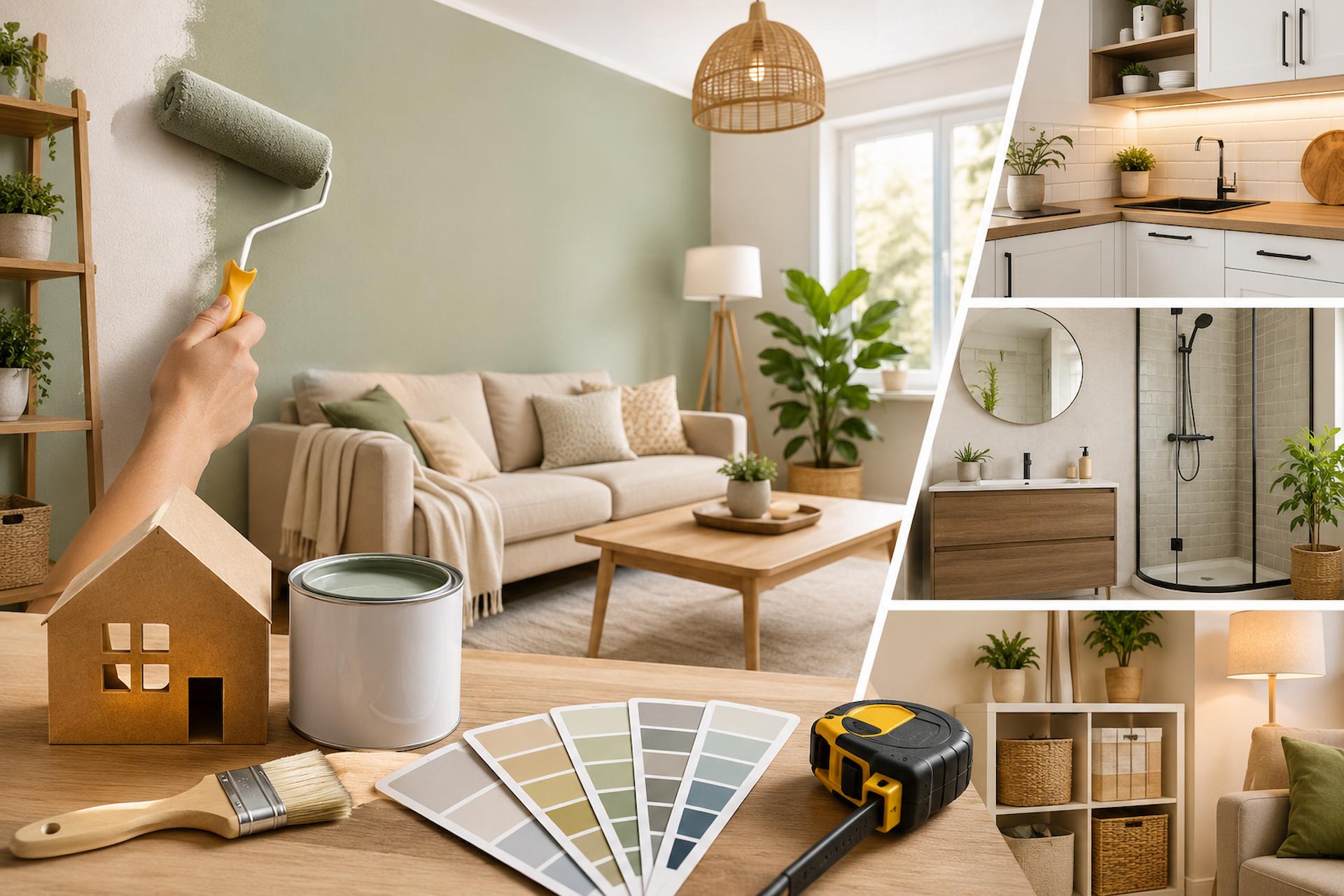
Painting remains one of the most affordable and effective home improvement ideas available. A fresh coat of paint can completely change the mood of a room while covering signs of wear and age.
Neutral colours often work best because they:
- Make rooms feel larger
- Improve natural light
- Create a cleaner appearance
- Match different furniture styles
- Appeal to future buyers
Instead of replacing cabinets, doors, or furniture immediately, consider repainting them first. Kitchen cupboards, wardrobes, shelving, and interior doors can often look significantly newer with sanding and quality paint.
Feature walls, textured finishes, and subtle color contrasts can also add character without requiring expensive decorative upgrades.
Upgrade Lighting for an Instant Transformation
Lighting has a major impact on how a home feels. Dark or outdated fixtures can make even well-designed spaces feel tired and uninviting.
Fortunately, lighting upgrades are usually affordable and highly effective.
Simple improvements include:
- Replacing old ceiling lights
- Installing energy-efficient LED bulbs
- Adding floor or table lamps
- Using warm lighting for living areas
- Improving task lighting in kitchens and workspaces
Natural light should also be maximized whenever possible. Lightweight curtains, clean windows, and strategically placed mirrors can make rooms feel brighter and more spacious without major structural changes.
Modern lighting updates improve both aesthetics and energy efficiency, making them a smart investment for long-term savings.
Improve Storage Without Expanding Your Home
Lack of storage often makes homes feel cluttered and smaller than they actually are. Fortunately, improving organization does not require expensive extensions or custom-built cabinetry.
Affordable storage solutions include:
- Floating shelves
- Under-bed storage boxes
- Wall-mounted hooks
- Multi-functional furniture
- Vertical shelving units
- Storage benches and ottomans
Unused corners, hallway spaces, and empty walls can often be converted into highly practical storage areas at minimal cost.
Decluttering before renovating is equally important. Many homes feel dramatically improved simply because unnecessary items have been removed and spaces are better organized.
Refresh Flooring Without Full Replacement
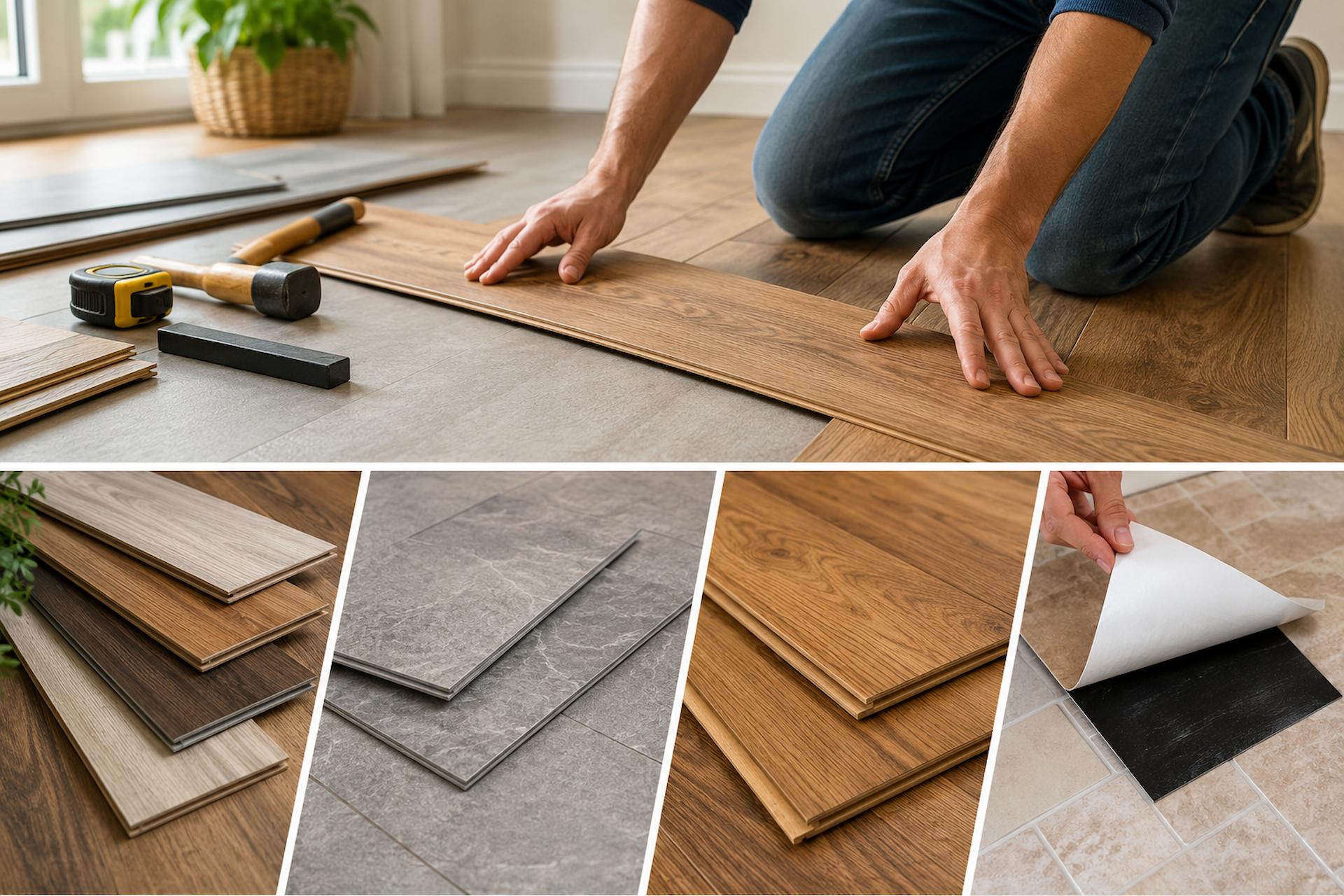
Completely replacing flooring can be expensive, especially in larger homes. However, there are several lower-cost alternatives that still improve appearance and durability.
Budget-friendly flooring ideas include:
- Peel-and-stick vinyl flooring
- Laminate flooring
- Area rugs
- Professional carpet cleaning
- Refinishing wooden floors
- Painting concrete flooring in garages or basements
Modern vinyl and laminate products have improved significantly in recent years. Many now replicate the look of hardwood or stone at a fraction of the cost.
Focusing on high-traffic areas first can also help spread renovation expenses over time.
Focus on High-Impact Kitchen Updates
Kitchens are one of the most valuable areas to improve, but complete renovations are often costly. Fortunately, smaller upgrades can still create a noticeable difference.
Affordable kitchen improvements include:
- Replacing cabinet handles
- Updating taps and fixtures
- Installing a new splashback
- Painting cabinets
- Adding open shelving
- Upgrading lighting
- Replacing worn worktops selectively
Even simple changes can modernize the space while improving functionality.
Instead of replacing every appliance immediately, prioritize items that are inefficient or frequently used. Energy-efficient appliances may cost more upfront, but can reduce long-term utility bills.
Give Bathrooms a Cleaner, Modern Feel
Bathrooms do not always need full remodeling to feel fresh and updated.
Low-cost bathroom upgrades may include:
- Regrouting tiles
- Replacing mirrors
- Installing new taps
- Updating shower heads
- Adding better lighting
- Replacing old sealant
- Using modern accessories and storage
Cleanliness and maintenance also play a major role in the appearance of the bathroom. Repairing small leaks, removing mould, and improving ventilation can make the space feel newer without major construction work.
Simple improvements often create a more comfortable and functional environment while extending the lifespan of existing features.
Choose Durable Materials That Save Money Long-Term
Cheap materials can sometimes create higher costs later through repairs and replacements. Budget-friendly renovations should focus on value rather than simply choosing the lowest price.
Durable materials often:
- Last longer
- Require less maintenance
- Improve energy efficiency
- Reduce repair costs
- Maintain a better appearance over time
For example, washable paint, quality flooring, and energy-efficient windows may cost slightly more initially but deliver better long-term savings.
Researching products carefully and reading verified reviews can help homeowners avoid poor-quality purchases that create unnecessary future expenses.
Take Advantage of DIY Opportunities Carefully
DIY home improvement can significantly reduce labor costs when handled properly. Painting, decorating, shelving installation, and basic landscaping are often manageable for homeowners with patience and preparation.
However, some projects should always be handled by professionals, including:
- Electrical work
- Structural changes
- Gas installations
- Major plumbing repairs
- Roofing repairs
Attempting complex renovations without proper experience can pose safety risks and cause costly damage.
The best approach is balancing DIY projects with professional expertise where necessary.
Renovate Gradually Instead of All at Once
Many homeowners feel pressure to complete every renovation immediately. In reality, gradual improvements are often more affordable and less stressful.
Creating a long-term renovation schedule allows you to:
- Spread costs over time
- Prioritize urgent repairs first
- Save for higher-quality materials
- Avoid unnecessary debt
- Make better decisions without rushing
Incremental upgrades often produce more thoughtful, sustainable results than large-scale renovations completed under financial pressure.
Improving your home should enhance your quality of life, not create unnecessary financial strain.
In Conclusion
Budget-friendly renovations prove that improving a home does not always require massive spending. Careful planning, practical upgrades, and smart material choices can transform living spaces while keeping costs manageable.
Simple changes such as painting walls, upgrading lighting, improving storage, and refreshing kitchens or bathrooms often deliver impressive results for relatively low investment.
The most successful affordable renovations focus on functionality, durability, and comfort rather than chasing expensive trends. By prioritizing meaningful improvements and approaching projects strategically, homeowners can create stylish, practical spaces that continue adding value for years to come.