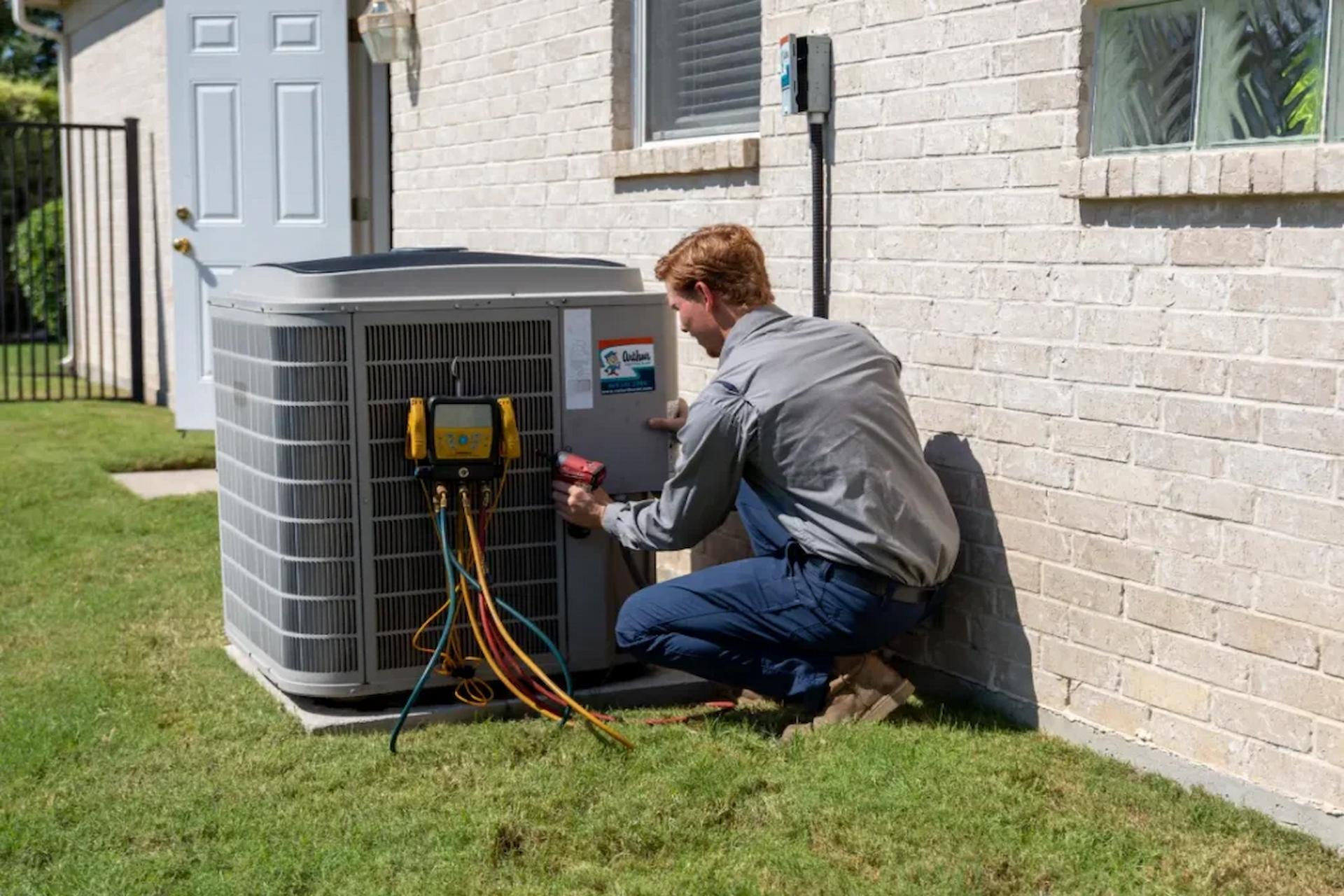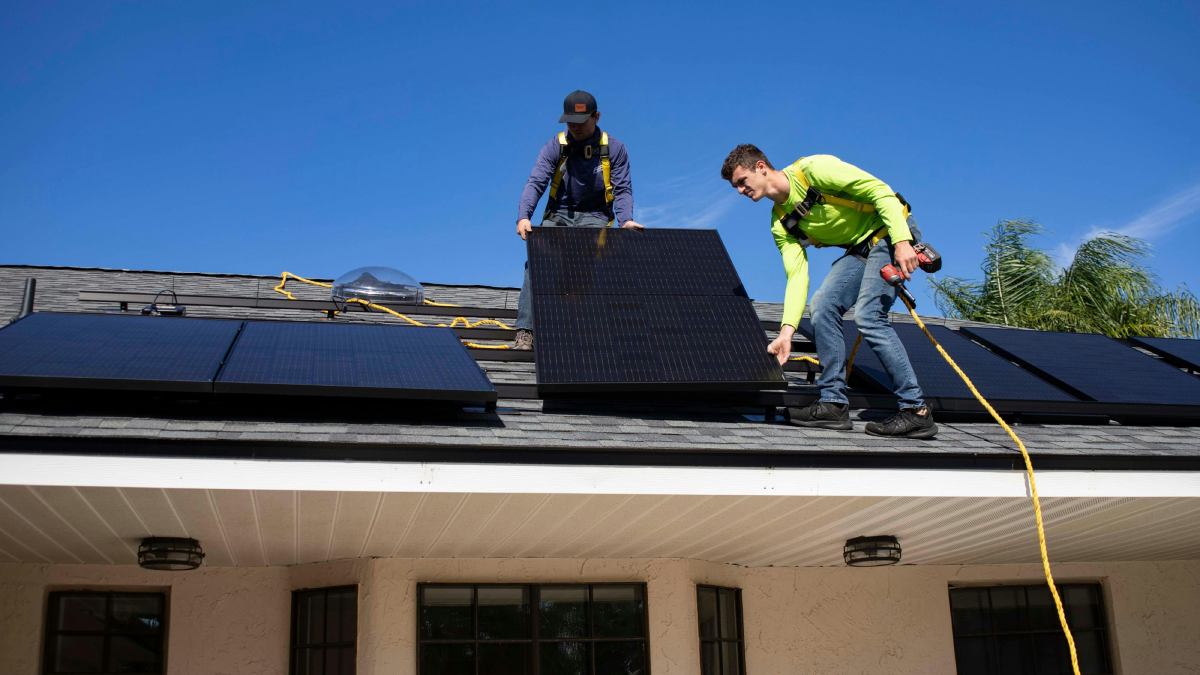
Every home eventually reaches a point where things start to wear out. A boiler begins to struggle, an air conditioner loses its cooling power, or a water heater takes longer to do its job. When that happens, the big question comes up: should you repair it or replace it?
There is no one-size-fits-all answer. The right decision depends on cost, age, efficiency, and how often problems occur. This guide breaks it down clearly so you can make a smart, confident choice without wasting money.
Start with the Age of the System
Age is one of the simplest ways to assess whether a repair makes sense.
Most major home systems have an expected lifespan:
- Furnaces and boilers: 15–20 years
- Air conditioners: 10–15 years
- Water heaters: 8–12 years
- Toilets and plumbing fixtures: 10–20 years (depending on quality)
- Pumps: 8–15 years
If your system is nearing or beyond its typical lifespan, replacement often makes more sense than repair. Even if you fix one issue, another is likely to appear soon.
A newer system, on the other hand, is usually worth repairing unless the problem is severe.
Look at Repair Frequency
One breakdown can be bad luck. Repeated breakdowns are a pattern.
Ask yourself:
- Have I repaired this system more than once in the past year?
- Are issues becoming more frequent or more expensive?
If repairs are becoming regular, the system is likely declining. In that case, continuing to fix it can cost more over time than replacing it once.
A good rule of thumb:
If you’re calling for repairs every season, it’s time to consider upgrading.
Use the 50% Rule
This is one of the most practical guidelines homeowners use.
If a repair costs more than 50% of the price of a new system, replacement is usually the better choice.
For example:
- Repair cost: £600
- Replacement cost: £1,000
In this situation, investing in a new system gives you better long-term value, improved performance, and peace of mind.
Consider Energy Efficiency
Older systems are often far less efficient than modern ones. That means they use more energy and cost more to run.
Signs of declining efficiency include:
- Higher utility bills without increased usage
- Longer run times to heat or cool your home
- Uneven temperatures or weak performance
Newer models are designed to use less energy while delivering better results. Over time, the savings on energy bills can offset the cost of replacement.
Think About Safety
Safety should always come first.
Some systems can become risky as they age:
- Boilers or furnaces may develop cracks or leaks
- Gas systems can pose carbon monoxide risks
- Electrical components may fail or overheat
If a professional flags a safety concern, replacement is usually the safer and more responsible choice.
Evaluate Comfort and Performance
Even if a system still “works,” it may not be working well.
Common signs of poor performance:
- Rooms that never reach the right temperature
- Inconsistent water pressure or heating
- Strange noises or vibrations
- Long delays in operation
If your home no longer feels comfortable, a replacement can significantly improve your day-to-day living experience.
Factor in Long-Term Costs
It’s easy to focus only on the upfront cost, but long-term expenses matter just as much.
Consider:
- Ongoing repair costs
- Rising energy bills
- Reduced efficiency
- Potential emergency breakdowns
A cheaper repair today might lead to higher costs over the next few years. A new system, while more expensive upfront, often saves money over time.
Simple Rules of Thumb
To make the decision easier, keep these quick guidelines in mind:
- Under 5 years old: Repair almost always makes sense
- 5–10 years old: Compare repair cost and efficiency
- Over 10–15 years old: Start planning for replacement
- Repair cost > 50% of replacement: Replace
- Frequent breakdowns: Replace
- Safety concerns: Replace immediately
These aren’t strict rules, but they provide a solid starting point.
Budgeting for Future Replacements
One of the smartest moves homeowners can make is planning ahead.
Instead of waiting for a system to fail, set aside a small amount regularly for future upgrades.
Helpful tips:
- Create a home maintenance fund
- Save based on the expected lifespan of key systems
- Prioritise older systems first
- Research replacement options before emergencies happen
This approach reduces stress and prevents rushed, expensive decisions.
When Repair Still Makes Sense
Not every issue calls for replacement. Repair is often the better option when:
- The system is relatively new
- The problem is minor and inexpensive
- Performance is still strong overall
- There are no safety concerns
In these cases, a well-timed repair can extend the life of your system without unnecessary expense.
Final Thoughts
Deciding whether to repair or replace a home system is about balance. You want to avoid pouring money into a failing system, but also avoid replacing something too soon.
By considering age, repair history, efficiency, safety, and long-term costs, you can make a decision that is both practical and financially sound.
When in doubt, think beyond the immediate fix. The best choice is the one that keeps your home comfortable, safe, and cost-effective for years to come.