Heating and cooling systems quietly do a lot of heavy lifting in any home. They keep you comfortable through changing seasons, improve indoor air quality, and help maintain a healthy living environment. But like any hardworking system, they need regular care to stay efficient and reliable.
The good news is that HVAC maintenance doesn’t have to be complicated. With a few simple habits and regular checks, you can extend the life of your system, lower energy bills, and avoid costly repairs.
Why Regular HVAC Maintenance Matters
A well-maintained HVAC system runs more efficiently, which means it uses less energy to do the same job. That translates directly into lower utility costs.
More importantly, regular maintenance helps prevent unexpected breakdowns. Small issues—like a clogged filter or loose component—can turn into expensive problems if ignored.
In short, consistent care helps you:
- Improve energy efficiency
- Extend system lifespan
- Maintain consistent indoor comfort
- Avoid emergency repairs
Simple Habits That Make a Big Difference
You don’t need technical expertise to keep your system in good shape. These small, practical steps go a long way.
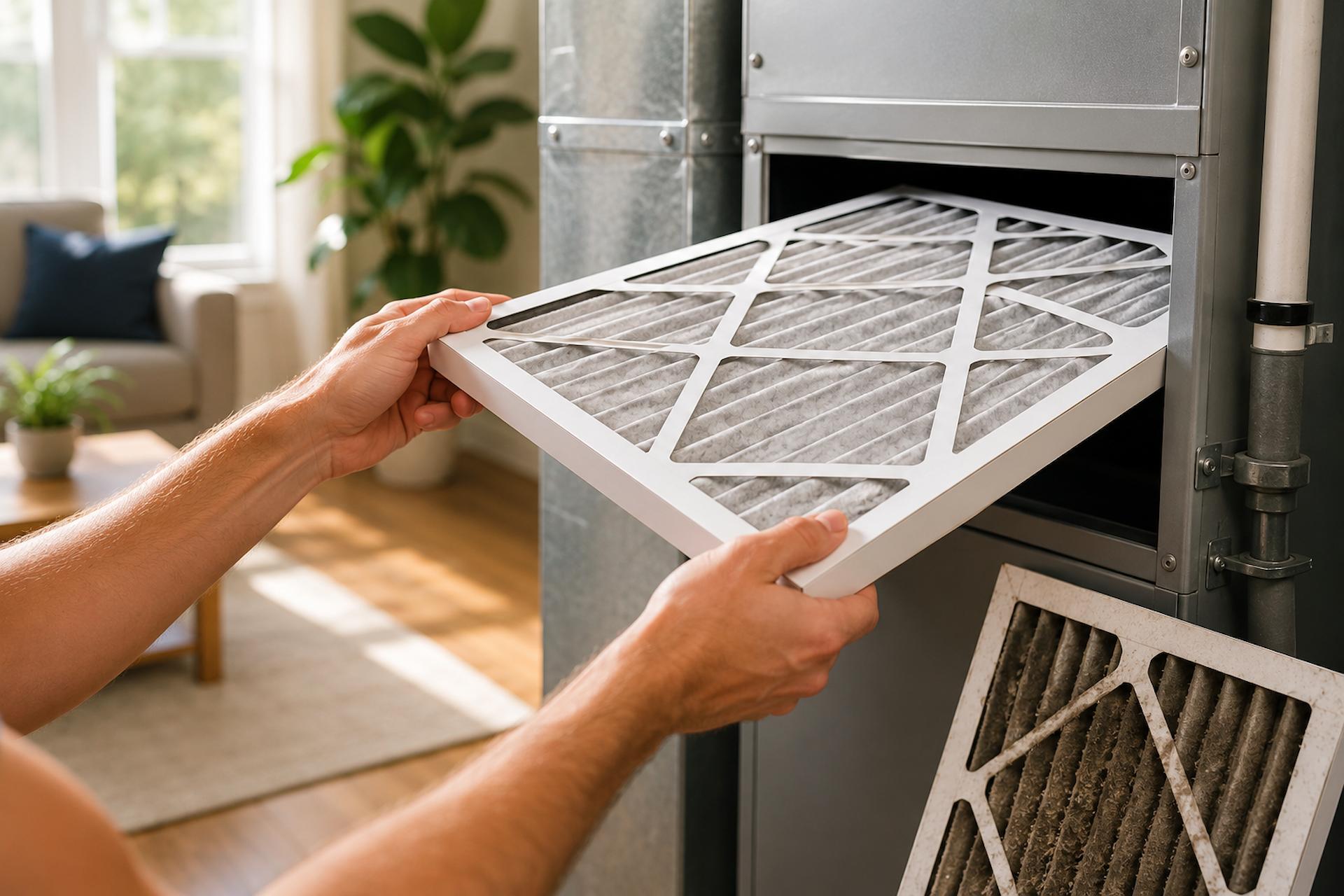
1. Change Air Filters Regularly
Air filters trap dust, pollen, and other particles. Over time, they get clogged, restricting airflow and forcing your system to work harder.
- Check filters every month
- Replace them every 1–3 months, depending on usage
- More frequent changes may be needed if you have pets or allergies
Clean filters improve airflow, boost efficiency, and keep indoor air healthier.
2. Keep Vents and Registers Clear
Blocked vents disrupt airflow and create uneven temperatures throughout your home.
- Make sure furniture, rugs, or curtains aren’t covering vents
- Vacuum vents occasionally to remove dust buildup
This simple step helps maintain balanced heating and cooling in every room.
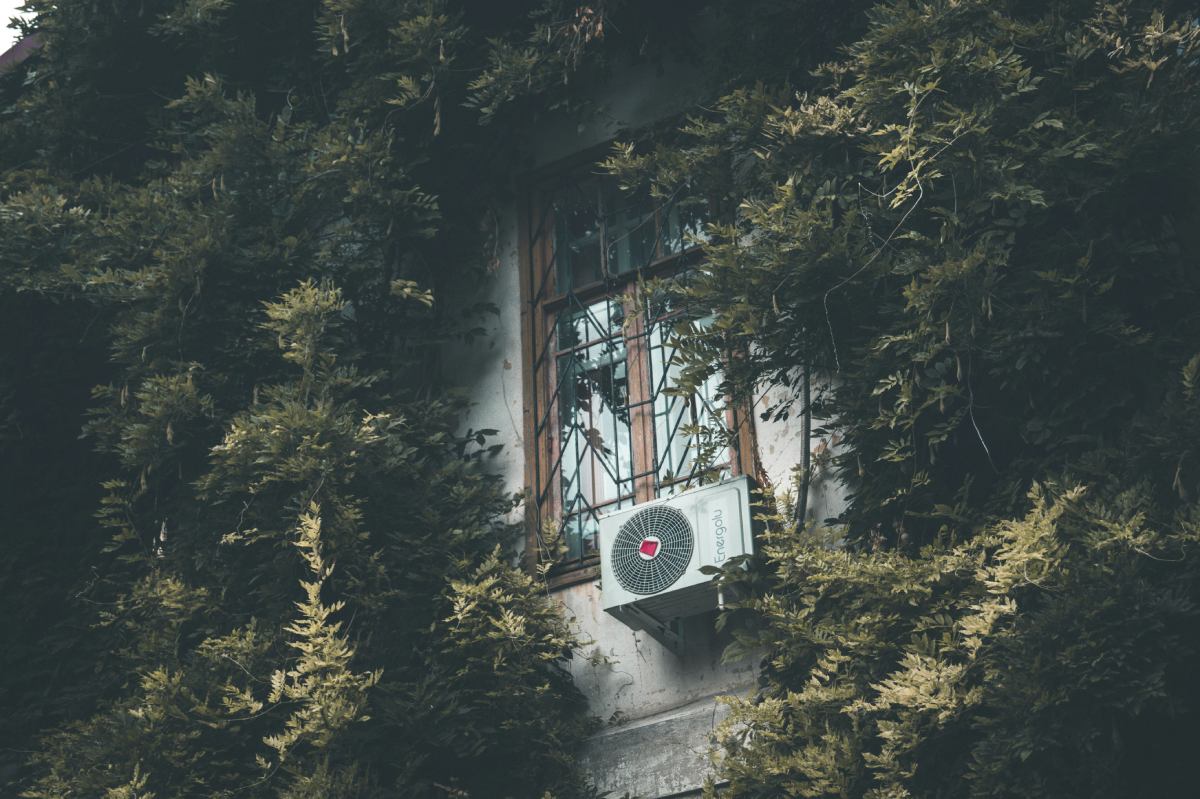
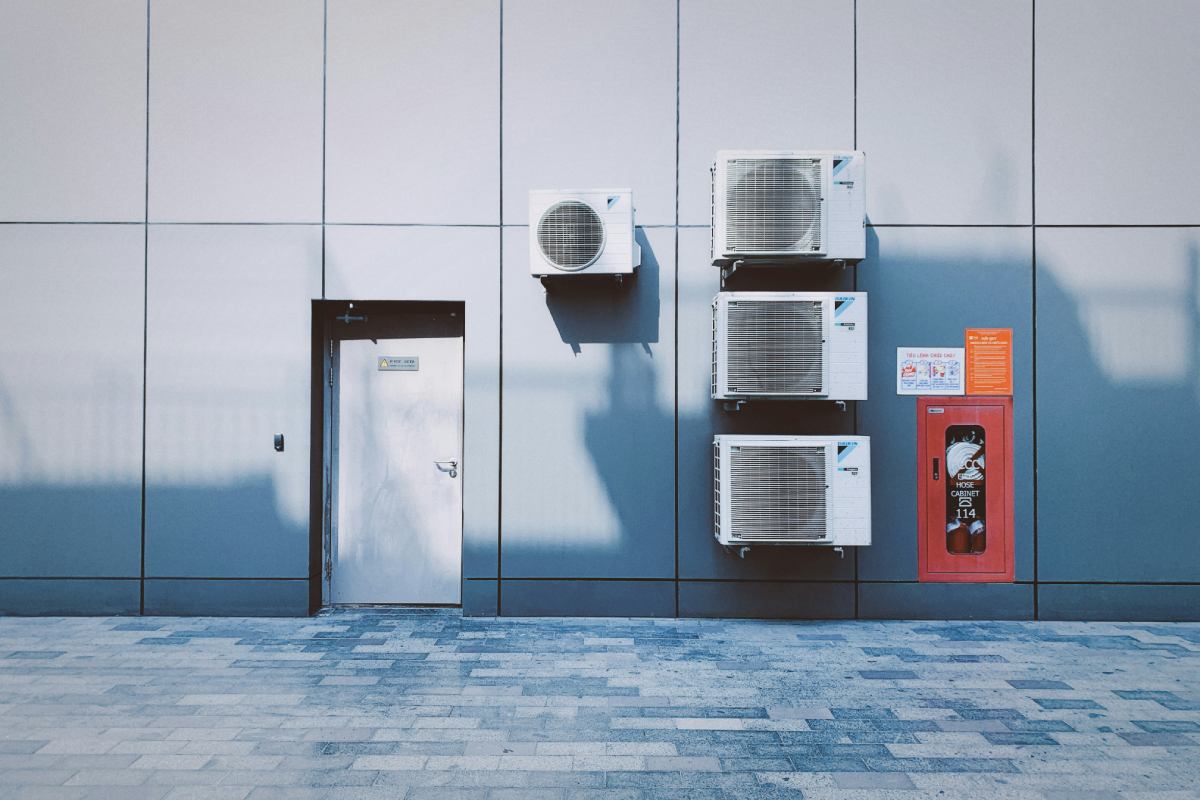
3. Clean Around Outdoor Units
The outdoor unit (condenser) needs space to function properly. Dirt, leaves, and debris can restrict airflow and reduce efficiency.
- Keep at least 2–3 feet of clear space around the unit
- Remove leaves, grass, and debris regularly
- Gently rinse the unit with a hose to remove dirt buildup
A clean outdoor unit helps your system run smoothly, especially during peak seasons.
4. Check and Adjust Your Thermostat
Your thermostat controls how hard your system works. Even small adjustments can improve efficiency.
- Set temperatures according to the season
- Consider upgrading to a programmable or smart thermostat
- Avoid extreme temperature settings
Consistent, moderate settings reduce strain on your HVAC system and improve comfort.
5. Schedule Seasonal Tune-Ups
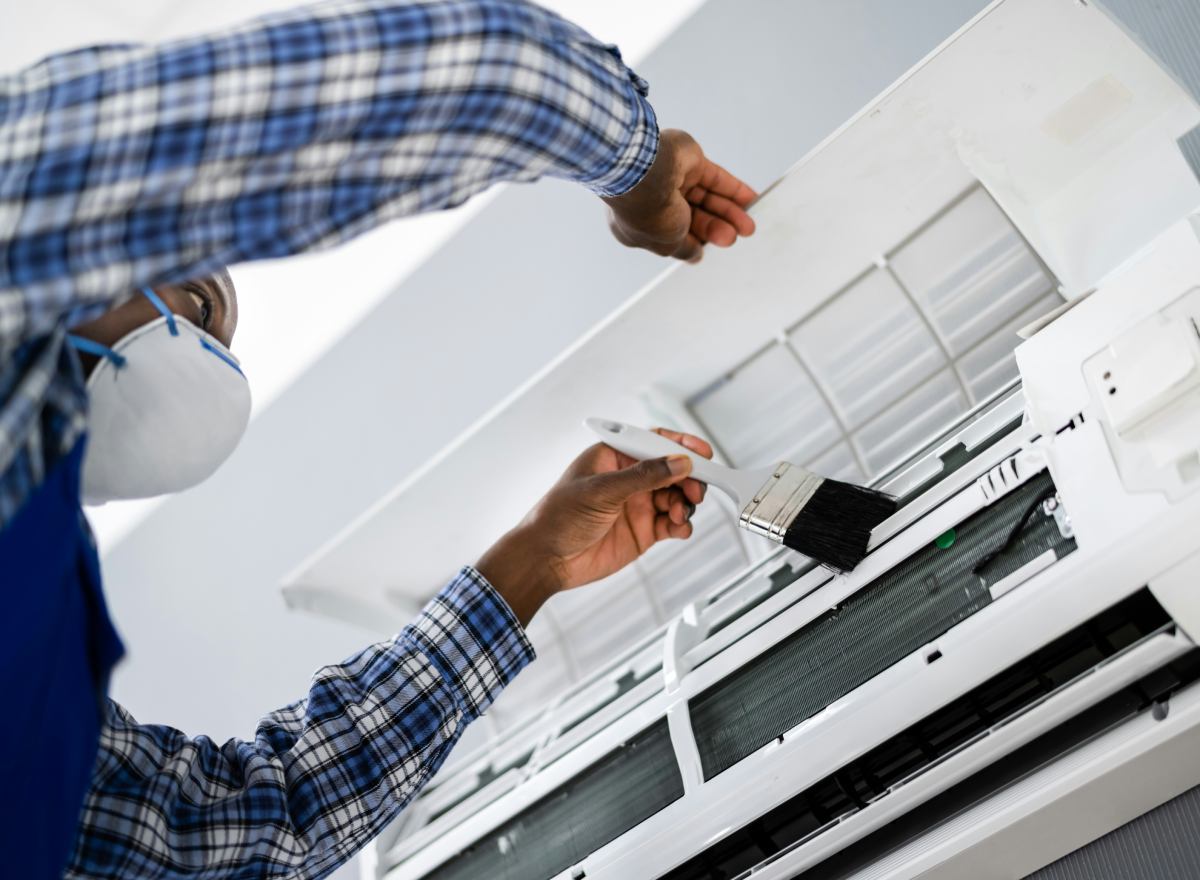
Professional maintenance is just as important as DIY care. A technician can spot issues you might miss.
Schedule a tune-up:
- Before summer (for cooling systems)
- Before winter (for heating systems)
During a service visit, technicians typically:
- Inspect components
- Clean internal parts
- Check refrigerant levels
- Test system performance
This preventive approach helps catch problems early and keeps everything running efficiently.
Warning Signs You Shouldn’t Ignore
Even with regular maintenance, issues can develop. Paying attention to early warning signs can save you from bigger repairs later.
Uneven Temperatures
If some rooms feel too hot or too cold, your system may be struggling with airflow or distribution.
Strange Noises
Unusual sounds—like banging, rattling, or squealing—often indicate loose or worn components.
Weak Airflow
Poor airflow could point to clogged filters, blocked ducts, or failing parts.
Rising Energy Bills
A sudden increase in energy costs without a change in usage is often a sign your system is working harder than it should.
Frequent Cycling
If your system turns on and off more often than usual, it may be having trouble maintaining the set temperature.
Easy Ways to Boost Efficiency Year-Round
Beyond basic maintenance, a few extra steps can improve overall performance.
- Seal gaps and leaks around doors and windows
- Use ceiling fans to support airflow
- Keep blinds or curtains closed during extreme heat
- Ensure proper insulation in your home
These small adjustments reduce the workload on your HVAC system and help maintain consistent indoor temperatures.
How Maintenance Protects Your Investment
HVAC systems are a significant investment, and replacing them can be expensive. Regular maintenance protects that investment by:
- Reducing wear and tear on components
- Preventing major system failures
- Extending the overall lifespan of the unit
Think of it like routine servicing for a car—small, regular efforts prevent large, costly problems later.
Final Thoughts
Keeping your HVAC system running efficiently doesn’t require complicated routines or constant attention. It’s about consistency.
Simple actions like changing filters, clearing vents, and scheduling seasonal check-ups can make a noticeable difference. Not only will your system perform better, but you’ll also enjoy more reliable comfort and lower energy costs.
A well-maintained HVAC system works quietly in the background—doing its job without disruption. With a little care, you can keep it that way for years to come.