What if your everyday kitchen waste could become the secret to healthier plants and richer soil? Composting makes it possible. This beginner-friendly guide shows how simple food scraps and garden waste can be transformed into nutrient-rich compost that boosts plant growth, naturally improves soil, and helps reduce household waste, without expensive tools or complicated techniques.
Composting is one of the simplest ways to create a healthier garden while reducing household waste. Instead of throwing away fruit peels, vegetable scraps, dried leaves, and grass clippings, these everyday materials can be transformed into rich organic matter that naturally improves soil. For beginners, composting may seem complicated at first, but the process is surprisingly straightforward once the basics are understood.
A good compost system supports stronger plant growth, improves soil structure, and helps gardens retain moisture more effectively. It also reduces the amount of waste sent to landfills, making it an environmentally responsible habit with long-term benefits. Whether someone has a large outdoor garden or a small backyard space, composting can fit into almost any lifestyle with minimal equipment and effort.
1. What Composting Actually Does
Composting is the natural breakdown of organic material through the action of microorganisms, oxygen, and moisture. Over time, these materials decompose into dark, crumbly compost that resembles rich soil. This finished compost contains valuable nutrients that support healthy plant development.
The process happens continuously in nature. Fallen leaves, dead plants, and organic debris naturally decompose on forest floors, returning nutrients to the earth. Home composting simply recreates this cycle in a controlled and practical way.
The real value of compost lies in its ability to improve soil health. It increases nutrient availability, encourages beneficial microbes, and helps soil hold water more efficiently. Gardens with compost-enriched soil often produce healthier plants with stronger roots and improved resilience.
2. Why Composting Is Worth Starting
One of the biggest advantages of composting is waste reduction. A significant portion of household rubbish consists of organic material that could instead become useful garden support. Kitchen scraps and garden waste no longer need to be treated as disposable.
Composting also reduces reliance on synthetic fertilizers. While commercial products may provide quick results, compost builds soil quality over the long term, naturally and gradually. This creates a healthier growing environment without harsh chemical input.
Another important benefit is cost savings. Garden soil conditioners, fertilizers, and mulch products can become expensive over time. Compost provides many of the same benefits as using materials that would otherwise be discarded.
3. Choosing the Right Composting Method
Beginners often assume they need expensive bins or specialist equipment, but composting can start very simply. The best method usually depends on available space and personal preference.
An outdoor compost pile works well for larger gardens. Organic material is layered directly on the ground, allowing natural organisms to assist decomposition. This method is affordable and easy to maintain.
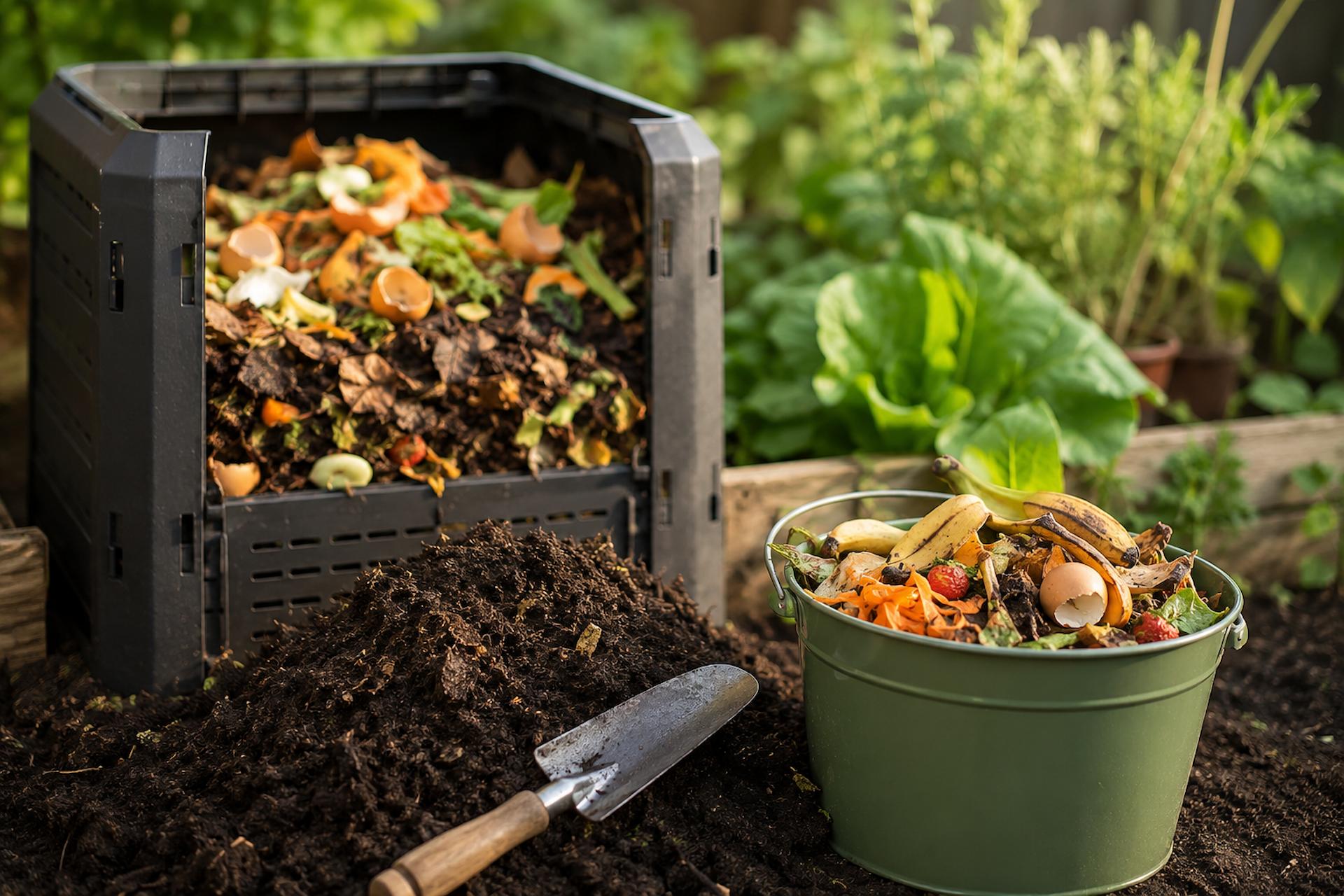
Compost bins provide a tidier option and help retain heat and moisture more effectively. Many gardeners prefer enclosed bins because they reduce odors and keep materials contained.
4. Understanding Green and Brown Materials
Successful compost depends on balance. Compost piles need a mix of nitrogen-rich “green” materials and carbon-rich “brown” materials to decompose efficiently.
Green materials provide moisture and nitrogen. These include fruit scraps, vegetable peels, coffee grounds, fresh grass clippings, and tea leaves. They break down quickly and help generate heat within the compost pile.
Brown materials provide carbon and structure. These include dried leaves, cardboard, shredded paper, straw, and small twigs. Browns help prevent compost from becoming wet, compacted, or smelly.
5. What Should and Should Not Be Added
Many common household scraps are excellent for composting. Fruit and vegetable waste, eggshells, coffee grounds, tea bags, and plant trimmings all work well.
Garden waste such as leaves, grass cuttings, and small branches also contributes valuable organic matter. Shredding larger materials into smaller pieces helps them decompose faster.
Certain materials should generally be avoided, especially in beginner compost systems. Meat, dairy products, oily foods, and cooked leftovers can attract pests and create unpleasant smells. Diseased plants and heavily treated wood should also stay out of compost piles.
6. Moisture and Airflow Matter More Than Most People Realize
Compost needs both moisture and oxygen to decompose properly. A pile that becomes too dry will break down very slowly, while excessive moisture can create unpleasant smells and reduce airflow.
A healthy compost pile should feel similar to a wrung-out sponge. It should be damp without becoming soaked.
Turning the compost regularly introduces oxygen and helps materials decompose evenly. This also prevents compacted areas from forming inside the pile. Even occasional turning can significantly improve compost quality.
7. How Long Does Compost Take to Develop
Composting is gradual rather than instant. Depending on temperature, moisture, material size, and maintenance, finished compost may take anywhere from several weeks to several months.
Well-managed compost with regular turning and balanced materials breaks down faster. Smaller pieces of organic matter also decompose more efficiently than large branches or thick stems.
Finished compost is usually dark brown, crumbly, and earthy-smelling. The original materials should no longer be easily recognizable.
8. Using Finished Compost in the Garden
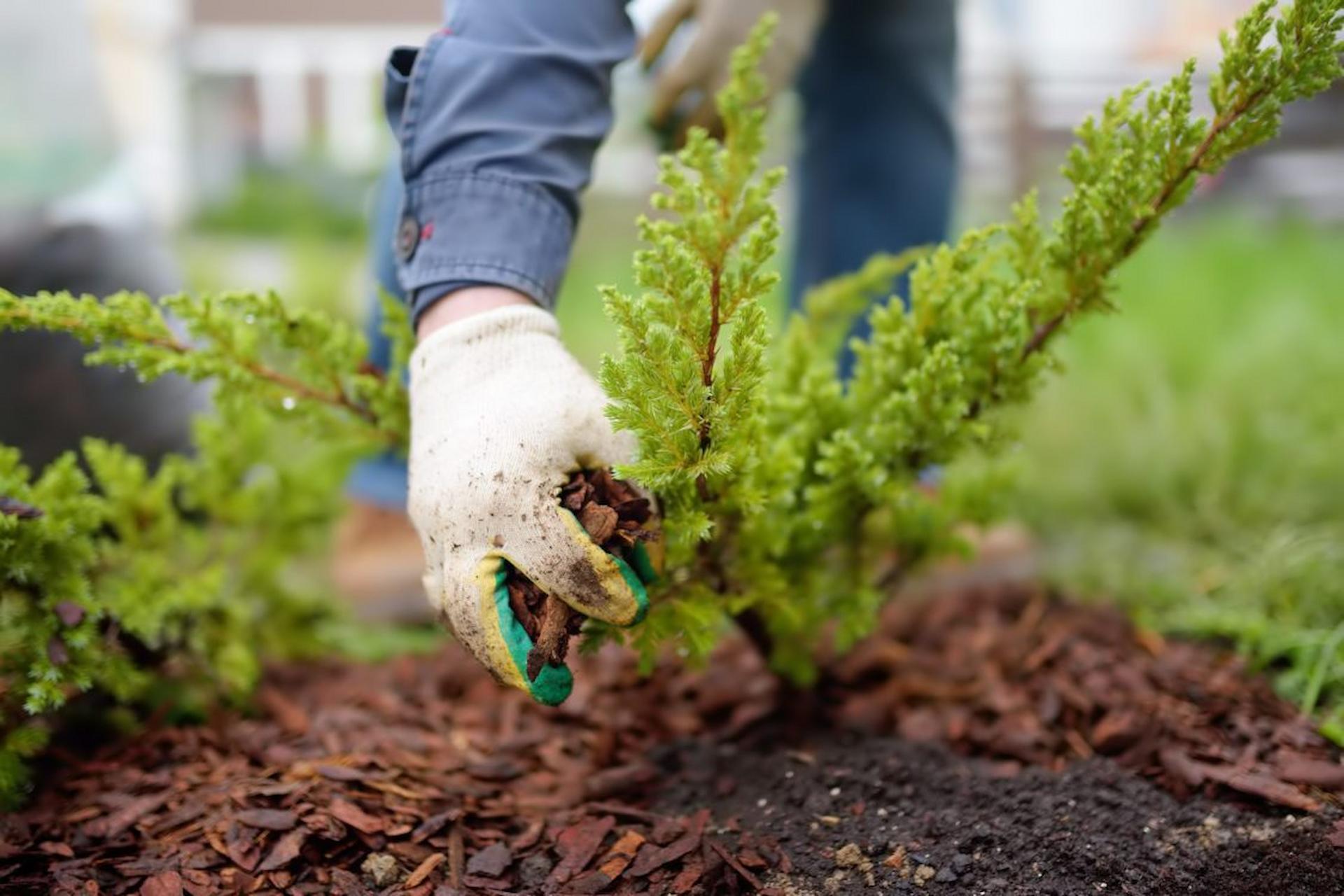
Once compost is ready, it can support nearly every part of the garden. It can be mixed into soil before planting, spread around existing plants, or used as a top dressing for lawns and flower beds.
Vegetable gardens benefit especially well from compost-rich soil because it improves nutrient retention and supports healthier root systems.
Compost can also improve poor soil conditions over time. Sandy soil retains moisture more effectively when compost is added, while heavy clay soil becomes looser and easier to work.
9. Composting Becomes Easier With Consistency
The most successful compost systems are usually the simplest and most consistent. Beginners do not need perfect techniques or advanced knowledge to start seeing results. Adding organic material regularly, maintaining a reasonable balance, and allowing nature time to work is often enough.
Over time, composting becomes a natural household habit rather than a complicated gardening task. It encourages sustainable living while creating healthier gardens using materials that would otherwise go to waste.
For anyone interested in gardening, reducing waste, or improving soil naturally, composting offers long-term value with surprisingly little cost or complexity.
FAQs
1. What is the easiest composting method for beginners?
A simple compost bin or outdoor pile is usually easiest for beginners. Both methods require minimal equipment and allow organic waste to break down naturally with proper moisture, airflow, and balanced materials.
2. How long does homemade compost take to finish?
Most compost takes between two and six months to fully decompose. Timing depends on temperature, moisture, material size, and how often the compost pile is turned and maintained.
3. Can kitchen scraps be composted safely?
Fruit peels, vegetables, coffee grounds, and eggshells compost safely and effectively. Meat, dairy, and oily foods are usually avoided because they attract pests and create unpleasant smells.
4. Why does compost sometimes smell bad?
Strong odors usually indicate the compost contains too much moisture or too much green material. Adding dry brown materials like leaves or cardboard often quickly corrects the balance.
5. Can compost improve poor garden soil?
Compost improves both sandy and clay-heavy soils by increasing nutrient retention, improving structure, and supporting healthier root growth for stronger plant development.
Final Thoughts
Composting is one of the most practical and rewarding habits any beginner gardener can adopt. It turns everyday waste into something genuinely valuable, helping create healthier soil, stronger plants, and a more sustainable garden without relying heavily on chemical fertilizers or expensive products. What starts as a small pile of kitchen scraps and garden waste gradually becomes a natural source of nutrients that supports long-term plant growth and soil health.
The best part about composting is its simplicity. It does not require perfect conditions, specialist knowledge, or a large outdoor space to get started. With a basic understanding of material balance, moisture, and airflow, almost anyone can build a successful compost system at home. Over time, composting becomes less of a gardening task and more of a routine that reduces waste while improving the garden’s overall health in a natural, sustainable way.