A well-maintained home rarely happens by chance. It is the result of consistent, seasonal care that prevents small issues from turning into expensive repairs. When you spread maintenance tasks across the year, everything feels more manageable and your home stays safer, more efficient, and more comfortable.
This seasonal checklist offers a clear, practical guide to what to inspect and maintain throughout the year, so nothing important slips through the cracks.
Why Seasonal Maintenance Matters
Homes are constantly exposed to changing weather conditions. Heat, cold, rain, and wind all affect different parts of a property in different ways. By aligning maintenance tasks with the seasons, you can address problems at the right time rather than reacting when something breaks.
Regular upkeep protects your property value, reduces energy costs, and helps avoid unexpected disruptions. It also gives you peace of mind, knowing your home is prepared for whatever the season brings.
Spring: Refresh and Repair After Winter
Spring is the ideal time to assess any damage caused by winter and prepare your home for warmer months. The focus here is on inspection, cleaning, and early repairs.
Start by checking the exterior of your home. Look for cracks in walls, damaged paint, or loose siding. Winter weather can be harsh, so even minor issues deserve attention before they worsen.
Your roof should also be inspected carefully. Missing or damaged tiles can lead to leaks during spring showers. If you are not comfortable climbing up, it is worth arranging a professional inspection.
Gutters and downpipes need clearing after months of debris buildup. Leaves and dirt can block water flow, leading to drainage problems around your foundation.
Inside the home, test smoke alarms and carbon monoxide detectors. Replace batteries if needed. This simple step often gets overlooked but is essential for safety.
Spring is also a good time to examine plumbing. Look for leaks under sinks, check water pressure, and ensure outdoor taps are working properly after winter freezing.
Finally, inspect garden drainage. Standing water or soggy areas may indicate poor drainage, which can affect both landscaping and your home’s foundation.
Summer: Focus on Efficiency and Outdoor Care
Summer is about keeping your home running efficiently while taking advantage of good weather to handle outdoor tasks.
One of the most important jobs is servicing your cooling system. Whether you use air conditioning or ventilation systems, ensure they are clean and functioning properly. This helps maintain comfort while keeping energy bills under control.
Windows and doors should be checked for gaps or worn seals. Proper sealing keeps cool air inside and prevents unnecessary strain on your cooling system.
Summer is also the best time to inspect your roof again, especially after spring rains. Look for signs of wear, moss growth, or areas that may need repair.
Outdoor spaces deserve attention too. Decks, patios, and driveways should be cleaned and checked for damage. Small cracks or loose boards are easier to fix now than later.
Your garden plays a role in home maintenance as well. Trim trees and shrubs away from walls and roofs to prevent damage and improve airflow around the property.
Finally, check your water systems. Ensure hoses, irrigation systems, and outdoor taps are working efficiently without leaks or pressure issues.
Autumn: Prepare for Cold Weather
Autumn is all about preparation. The goal is to get your home ready before temperatures drop and conditions become harsher.
Gutter cleaning becomes essential again during this season. Falling leaves can quickly block drainage systems, leading to water overflow and potential structural damage.
Heating systems should be serviced before winter begins. Whether you rely on a boiler, furnace, or central heating, early maintenance ensures everything runs smoothly when you need it most.
Insulation is another key area to check. Look at loft spaces, walls, and around windows to ensure heat will be retained efficiently during colder months.
Roof inspections are particularly important in autumn. Any small issues must be addressed before heavy rain or frost sets in.
This is also the time to seal gaps around doors and windows. Weatherproofing helps reduce heat loss and keeps your home comfortable.
Plumbing checks are critical as well. Pipes should be inspected for vulnerabilities, especially in areas exposed to cold temperatures. Taking action now can prevent frozen or burst pipes later.
Winter: Protect and Monitor
Winter maintenance is less about repairs and more about protection and regular monitoring. The focus shifts to keeping your home safe and functioning under cold conditions.
Start by keeping an eye on your heating system. If you notice unusual noises or reduced efficiency, address it quickly to avoid breakdowns during freezing weather.
Pipes need extra attention in winter. Ensure exposed pipes are insulated properly, and keep an eye out for signs of freezing, such as reduced water flow.
Your roof should be monitored for snow buildup or ice formation. Excess weight or ice dams can cause damage if left unchecked.
Ventilation is often overlooked in winter, but it remains important. Proper airflow prevents condensation, which can lead to mould and damp issues.
Smoke alarms and carbon monoxide detectors should be tested regularly during this season, especially since heating systems are in constant use.
Finally, keep pathways and entrances clear of ice to prevent accidents. Safety outside the home is just as important as safety inside.
Keeping Your Home Maintenance Routine Simple
The key to effective home maintenance is consistency, not complexity. When tasks are spread across the year and matched to each season, they become far more manageable.
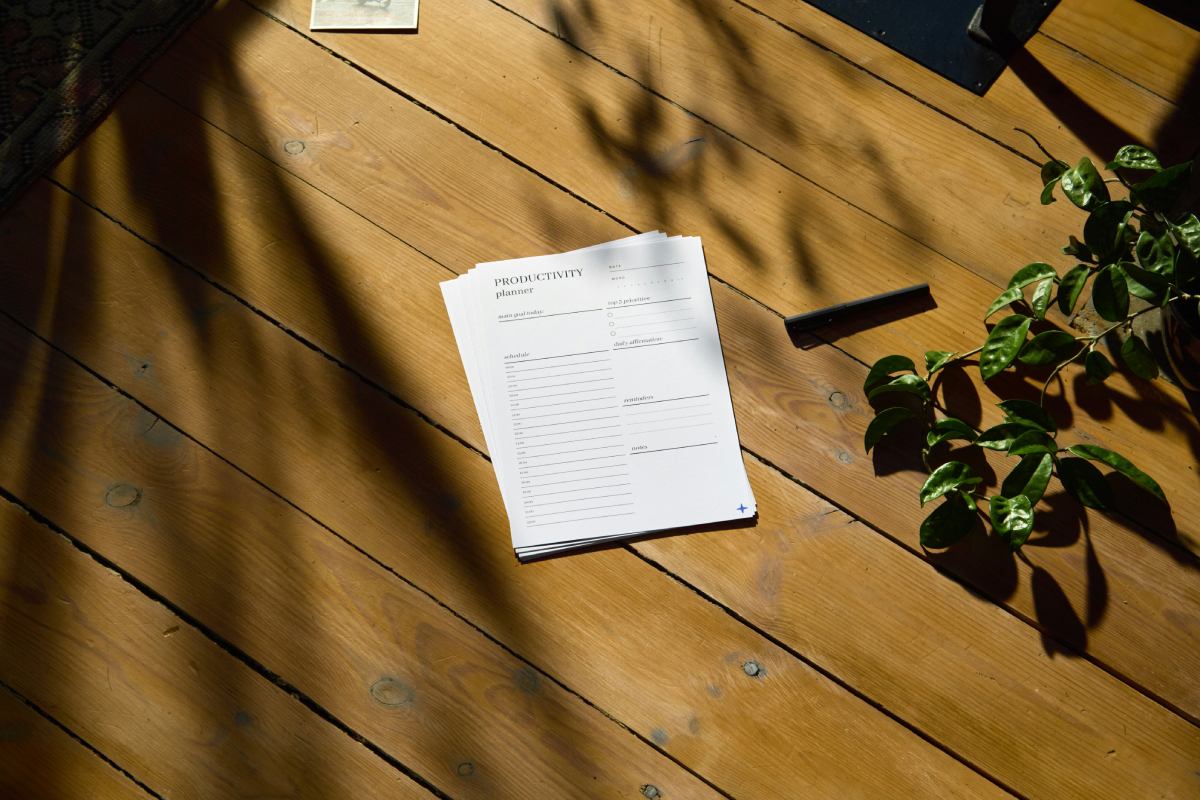
A simple approach is to review your home at the start of every season. Walk through each area, inside and out, and address anything that stands out. Small, regular checks often prevent larger, costly repairs.
Final Thoughts
Seasonal home maintenance is not about doing everything at once. It is about doing the right things at the right time. By following a structured, year-round approach, you protect your home, improve comfort, and reduce long-term costs.
With a clear seasonal checklist, maintenance becomes less overwhelming and more of a routine habit. Over time, this simple discipline makes a significant difference in how your home performs and how secure it feels.