Windows play an important role in protecting a home from outdoor weather, maintaining indoor comfort, and supporting energy efficiency. However, not all windows provide the same level of protection. Standard windows are suitable for many residential properties, while hurricane windows are specifically engineered to withstand demanding storm conditions. Understanding their differences can help homeowners choose windows that match their property’s location, safety requirements, and budget.
For properties exposed to tropical storms and hurricanes, window selection deserves particular attention. Homeowners researching hurricane windows largo fl should consider impact resistance, installation requirements, energy performance, and long-term maintenance. Comparing hurricane-rated and standard windows helps clarify which option provides suitable protection without investing in unnecessary features.
Understanding Hurricane Windows and Standard Windows
Standard residential windows are designed to provide natural light, ventilation, weather resistance, and insulation. Depending on their construction, they may feature single or multiple glass panes, insulated frames, and energy-efficient coatings. However, ordinary windows are not necessarily tested to withstand windborne debris or the pressures associated with severe hurricanes.
Hurricane windows, commonly called impact-resistant windows, use specially designed glazing and reinforced components to withstand specified impact and pressure tests. Homeowners comparing hurricane windows largo fl should examine recognised product certifications and applicable building requirements. Importantly, impact-resistant windows are not indestructible, and their protective performance depends on correct installation.
Differences in Storm and Impact Protection
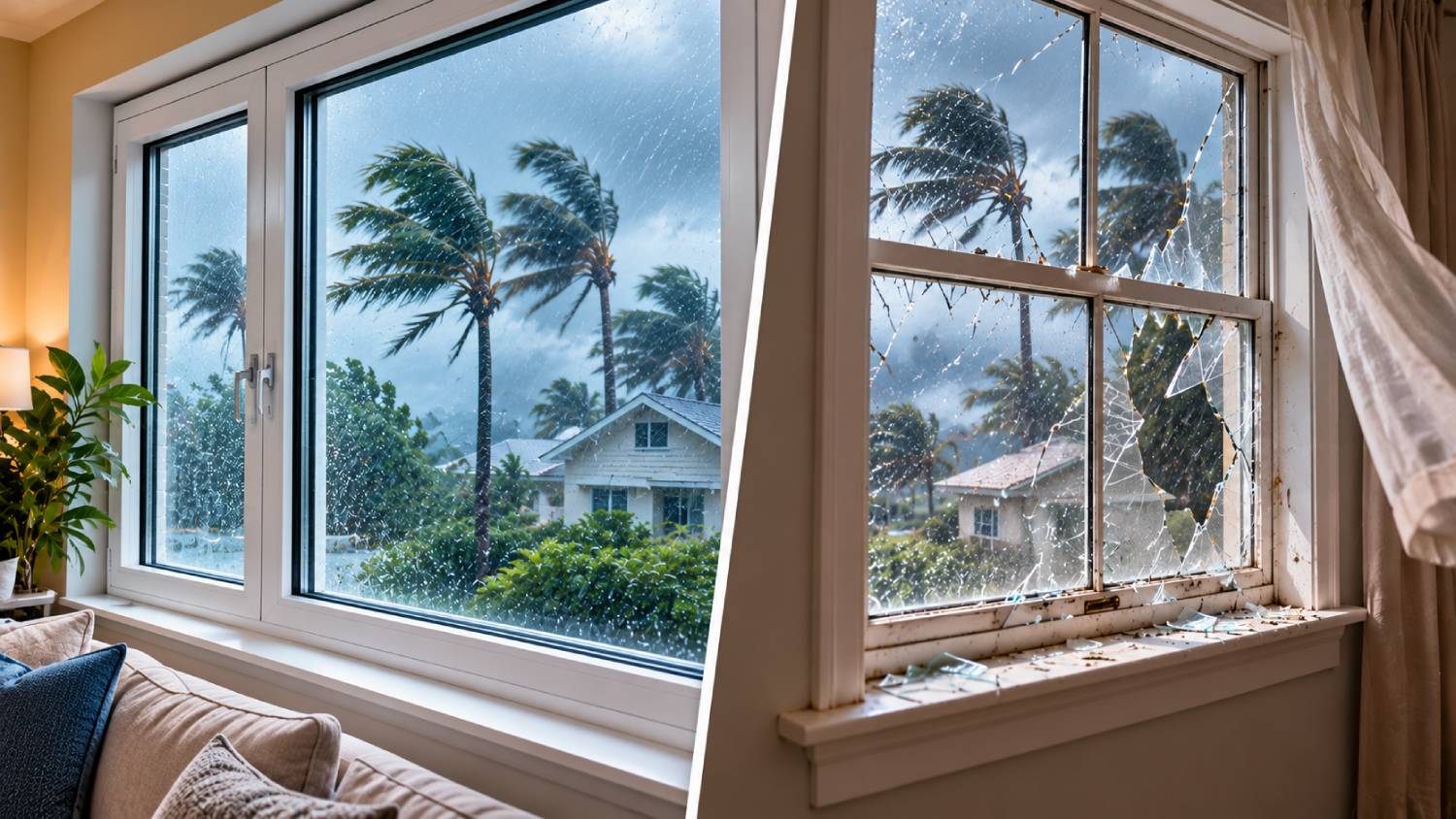
One of the main differences between these options is their response to flying debris. During severe storms, strong winds can carry branches, roofing materials, and other objects towards windows. Standard glass may break when struck, potentially exposing the building interior to wind and rain.
Impact-resistant windows generally use laminated glass with a protective interlayer designed to hold broken glass together following a qualifying impact. Their frames and installation systems must also meet relevant performance requirements. However, homeowners should verify the complete window assembly’s rating rather than assuming that laminated glass alone provides hurricane protection.
Energy Efficiency and Indoor Comfort
Both standard and hurricane-rated windows can offer energy-efficient features. Double glazing, low-emissivity coatings, insulated frames, and suitable weather seals can reduce unwanted heat transfer. The level of energy efficiency depends on the particular window design rather than whether it carries a hurricane-resistant classification.
In warm climates, solar heat gain is especially important because sunlight can increase indoor cooling demands. Homeowners should compare U-factor and solar heat gain coefficient ratings when selecting products. Hurricane windows may improve comfort, but they do not automatically outperform every standard energy-efficient window.
Installation Costs and Long-Term Value
Hurricane-rated windows generally involve higher initial costs because of their specialised glass, reinforced construction, testing, and installation requirements. The overall expense depends on window dimensions, frame materials, product ratings, accessibility, and the condition of existing openings.
Standard windows may offer a more affordable initial option where local regulations permit their use. However, homeowners should consider potential storm protection needs, maintenance requirements, and replacement expenses. An accurate comparison requires itemised quotations that explain the products, installation work, and applicable warranties.
Space Requirements and Installation Disruption
Both window types can often be fitted into existing residential openings, although installation requirements vary. Hurricane-rated products may need compatible framing, specialised fastening systems, or adjustments to surrounding structures. An installer should assess the existing openings before recommending suitable replacements.
Installation may involve removing old frames, preparing openings, fitting new units, and sealing surrounding surfaces. Some projects also require repairs to damaged materials. Homeowners should discuss expected disruption, access arrangements, and protection of interior furnishings before work begins.
Building Regulations and Permit Requirements
Window replacement must comply with applicable building codes and local permitting requirements. In hurricane-prone areas, regulations may specify wind resistance, impact protection, installation methods, and approved products. These requirements can vary according to the property’s location and building characteristics.
Homeowners should confirm permit obligations with their local building authority before ordering replacement windows. Choosing products with appropriate approval documentation and using qualified installers can help avoid compliance problems. Standard windows may require approved shutters or other protective measures where regulations allow alternative systems.
Maintenance and Choosing the Right Option
Both window types require routine maintenance to preserve their appearance and performance. Cleaning frames, inspecting seals, checking hardware, and addressing drainage problems can prevent avoidable deterioration. Coastal properties may require additional attention because salt exposure and moisture can affect certain components.
The right choice depends on storm exposure, building requirements, budget, and homeowner priorities. Hurricane windows offer additional impact protection, while standard windows may provide adequate performance where specialised storm resistance is unnecessary. Comparing verified specifications is more reliable than choosing solely by appearance or advertised benefits.
Conclusion
Hurricane windows and standard windows serve similar everyday purposes but differ significantly in storm protection and construction. Hurricane-rated products provide tested resistance to specified impacts and wind pressures, while standard windows may offer comparable comfort and energy efficiency without the same protective capabilities.
Before replacing windows, homeowners should evaluate local regulations, installation requirements, product ratings, and long-term costs. Consulting a qualified window professional can help identify suitable options and support an informed decision that balances safety, comfort, efficiency, and overall value.