A reliable heating system helps maintain indoor comfort during colder weather, but regular maintenance is essential for dependable performance. Dust accumulation, restricted airflow and worn components can affect how effectively heating equipment operates. By following a sensible maintenance routine, homeowners can identify potential problems early, reduce avoidable energy waste and help keep their homes comfortably warm.
Heating equipment also deserves attention when planning wider home improvements. For example, a basement conversion London project may change how heat circulates through a property and introduce additional requirements for ventilation, insulation and moisture control. Considering these factors alongside the existing heating system can help homeowners plan improvements more effectively and avoid unnecessary complications during construction.
Replace or Clean Air Filters Regularly
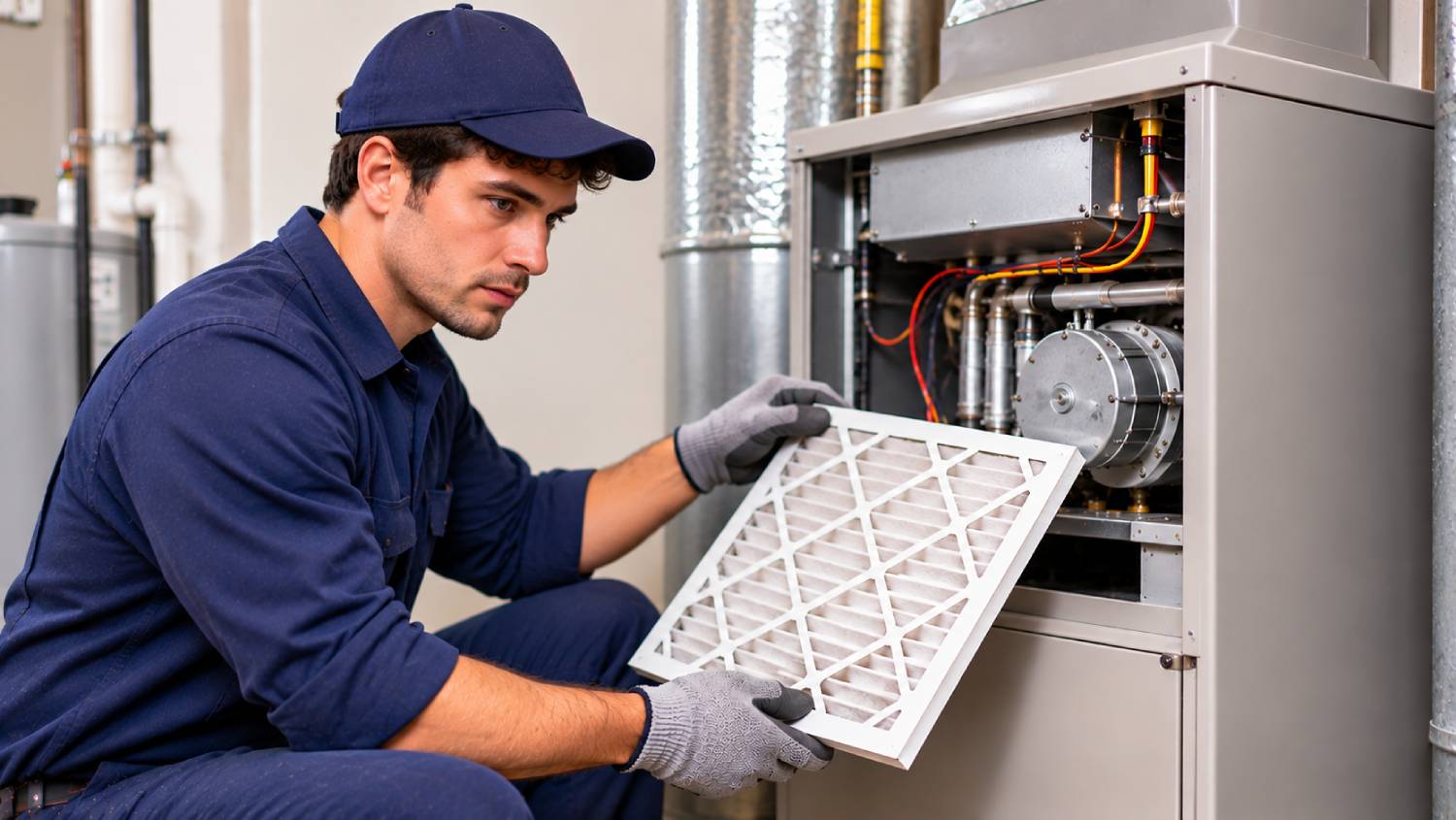
Air filters help capture dust and other airborne particles before they accumulate inside heating equipment. When a filter becomes clogged, airflow can become restricted, potentially reducing performance and placing additional strain on certain system components. Regular furnace maintenance in Fenton, MI can help homeowners keep filters clean, maintain proper airflow and support reliable heating. Checking the filter regularly and cleaning or replacing it according to the manufacturer’s instructions is a straightforward maintenance task that homeowners can often manage themselves.
The appropriate maintenance interval depends on the equipment, filter type and conditions inside the home. Properties with pets, ongoing renovation work or higher dust levels may require more frequent checks. Always use a compatible replacement filter and avoid operating equipment with a filter that is unsuitable for the system. If airflow remains poor after replacing the filter, a qualified technician can investigate other possible causes.
Keep Vents and Airflow Paths Clear
Heating systems that distribute warm air through ductwork rely on unobstructed airflow to deliver heat effectively. Furniture, curtains and household items placed over supply vents or return-air grilles can interfere with circulation and contribute to uneven temperatures. Check that vents remain accessible and clean visible dust from grilles using appropriate household cleaning methods.
Uneven heating can also indicate a problem that requires more than moving furniture. Blocked ductwork, leaks, damaged components or poorly balanced airflow may affect performance throughout the property. Avoid making extensive changes to ductwork without professional guidance, as unsuitable alterations can reduce efficiency. If certain rooms remain consistently colder than others, arrange an assessment to identify the underlying issue.
Arrange Professional Heating System Inspections
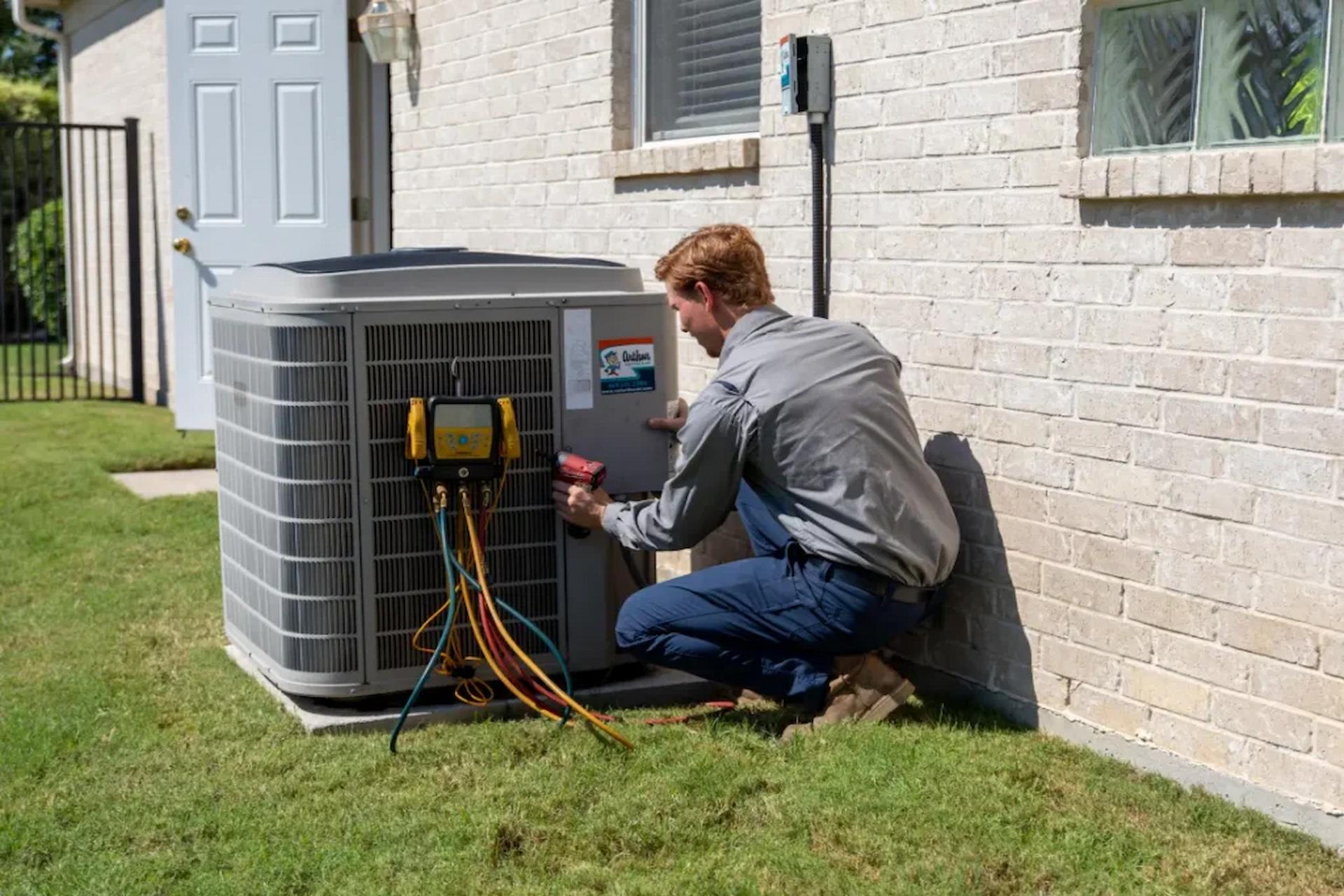
Routine professional inspections can help identify developing faults before they lead to unexpected breakdowns. A qualified technician can examine relevant components, check system operation and identify maintenance requirements in accordance with the equipment manufacturer’s guidance. The precise checks depend on whether the property uses a gas furnace, boiler, heat pump or another heating technology.
Homeowners should pay attention to warning signs such as unusual noises, repeated shutdowns, inconsistent temperatures or unexplained changes in energy consumption. These symptoms do not always mean that equipment needs replacing, but they warrant investigation when persistent. For gas-fired equipment, any suspected gas leak or carbon monoxide alarm requires immediate attention: leave the affected area, follow emergency guidance and contact the appropriate emergency service or gas safety professional.
Review Thermostat Settings and Heating Schedules
A correctly configured thermostat helps control when heating operates and how warm the property becomes. Programmable controls can reduce unnecessary heating when rooms are unoccupied, while smart thermostats may offer additional scheduling features. Homeowners should choose settings that reflect their routines and comfort requirements rather than relying on a single temperature recommendation for every household.
When reviewing a heating schedule, consider how quickly the property warms up and whether different rooms have different heating needs. Avoid making frequent, large adjustments simply because a room feels temporarily cold. Instead, check for draughts, blocked vents or other causes of discomfort. If the thermostat appears inaccurate or the system does not respond properly to adjustments, professional assessment may be necessary.
Protect Heating Equipment During Home Improvements
Renovation work can introduce dust, debris and changes to the property’s layout that affect heating performance. During projects such as a basement conversion London, homeowners should consider whether existing equipment can serve the additional living space, whether ventilation arrangements remain adequate and whether new heating outlets or pipework will be required. These decisions are best addressed before construction begins.
The cost and complexity of alterations depend on the property’s structure, the proposed layout and the existing heating system. Moving radiators, extending ductwork or installing additional equipment may increase labour requirements and cause temporary disruption. Building regulations may apply to relevant alterations, including heating, ventilation, insulation and energy performance, while planning permission depends on the nature of the project and the property’s circumstances. Check requirements with the relevant local authority and building control service before work starts.
Conclusion
Effective furnace maintenance involves regular filter checks, clear airflow paths, appropriate thermostat settings and professional inspections. These measures can help homeowners identify developing problems, maintain reliable heating and reduce avoidable energy waste. Paying attention to unusual noises, inconsistent temperatures and changes in system performance can also help determine when expert assistance is needed.
Maintenance should form part of a wider approach to home comfort, particularly when renovation work changes how rooms are used or heated. Follow the manufacturer’s instructions, use qualified professionals for technical work and address safety concerns promptly. A consistent, well-planned maintenance routine can help keep heating equipment operating reliably throughout the colder months.