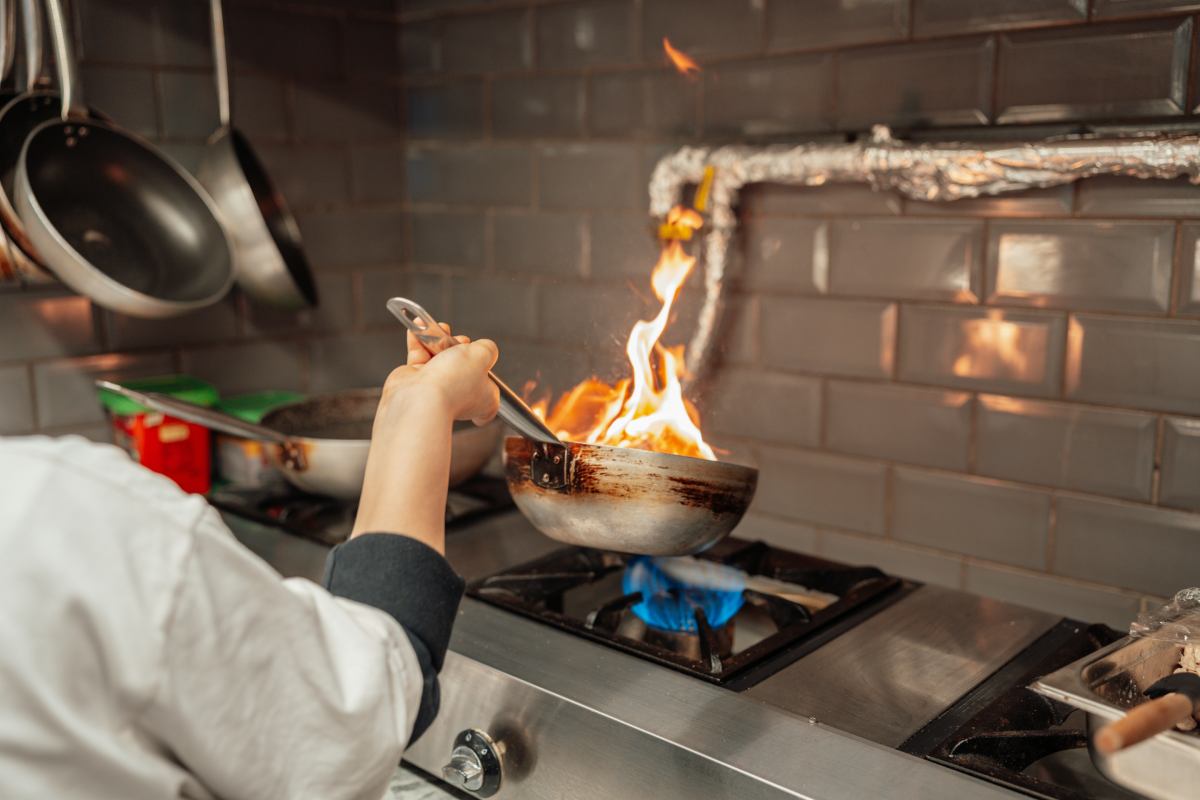
Cooking at home often feels like a daily challenge, especially when time is limited and routines are unstructured. Many people struggle with deciding what to cook, managing ingredients, and keeping everything organised. The good news is that small, practical changes can make a real difference. By adopting smarter cooking habits, you can simplify your routine, reduce waste, and bring more ease and confidence into your kitchen.
Plan Ahead to Stay in Control
One of the biggest causes of kitchen stress is last-minute decision-making. When you don’t know what to cook, everything feels harder.
A simple meal plan can change that. You do not need to plan every meal for the week. Start by choosing a few dishes and build your shopping list around them. Try to pick recipes that use similar ingredients so nothing goes to waste.
This small step reduces confusion, shortens shopping time, and makes cooking feel more structured.
Keep Your Kitchen Easy to Use
An organised kitchen saves more time than you might expect. When your tools and ingredients are easy to find, cooking becomes smoother and faster.
Keep everyday items like oils, spices, and utensils within reach. Group similar ingredients together so you always know where to look. Even rearranging a few shelves can make a noticeable difference.
A tidy kitchen also helps you stay focused and reduces unnecessary movement while cooking.
Store Food the Right Way
A large part of food waste comes from poor storage. Ingredients spoil quickly when they are not stored properly, which leads to unnecessary spending.
Use airtight containers for leftovers and dry goods. Label cooked food so you remember when it was made. Keep your fridge organised so items do not get pushed to the back and forgotten.
When you can clearly see what you have, you are more likely to use it before it goes bad.
Cook Once and Use It Again
Cooking every meal from scratch can be tiring, especially on busy days. Batch cooking offers a simple solution.
Prepare larger portions when you have time and store them for later. For example, cooking extra rice, vegetables, or protein allows you to create different meals over the next few days without starting from zero each time.
This approach reduces effort while still giving you variety.
Turn Leftovers into New Meals
Leftovers are often seen as repetitive, but they do not have to be. With a little creativity, they can become something entirely new.
Cooked vegetables can be turned into soups or mixed into a stir-fry. Leftover meat can be added to wraps, salads, or pasta. Even small portions can be combined to create a fresh dish.
This not only reduces waste but also stretches your budget further.
Use Proper Tools to Save Time
Good tools make cooking easier, and a sharp knife is one of the most important. It allows you to cut ingredients quickly and safely, reducing effort and saving time.
Keeping your knives sharp and using them correctly improves both speed and precision. It also makes preparation feel less tiring, especially when working with larger quantities of food.
Choose Ingredients That Work in Many Dishes
Versatile ingredients simplify cooking. When you use items that can fit into different recipes, you need fewer groceries and less planning.
Foods like eggs, potatoes, chicken, and seasonal vegetables can be used in a wide range of meals. This flexibility makes it easier to adjust your cooking based on what you already have at home.
Improve Flavour with Simple Seasoning
You do not need complicated ingredients to make food taste good. Learning how to season properly can transform even the simplest meals.
Start with basic spices and build gradually. Taste your food as you cook and adjust when needed. A small amount of acidity, like lemon juice, can enhance flavours and bring balance to a dish.
With time, seasoning becomes instinctive, making cooking quicker and more enjoyable.
Use Your Freezer Wisely
The freezer is often underused, but it can save both time and money. It allows you to store meals, ingredients, and leftovers for future use.
Freezing food in portions makes it easy to reheat only what you need. Labelling items helps you stay organised and avoid forgetting what is inside.
This habit ensures you always have a backup option on busy days.
Build Small, Consistent Habits
The most effective changes in cooking come from small, consistent actions. Simple habits like cleaning as you cook, preparing ingredients in advance, and checking your fridge before shopping can make a big difference.
These habits reduce stress, improve efficiency, and create a smoother workflow in the kitchen.
In Conclusion
Smart cooking is not about doing more—it is about doing things better. Simple habits like planning meals, storing food properly, and using ingredients efficiently can transform your daily routine. Over time, these changes help you save time, cut unnecessary costs, and reduce stress. With consistency, cooking becomes less of a task and more of a smooth, manageable part of everyday life.
You do not need to change everything at once. Focus on small improvements and build from there. Over time, these habits will help you save time, reduce waste, and feel more confident every time you step into the kitchen.