Starting to cook at home can feel like stepping into unfamiliar territory. There are tools to learn, techniques to understand, and recipes that may seem more complicated than they actually are. The good news is that cooking does not require perfection or special talent. It begins with a few simple skills, a bit of curiosity, and the willingness to try.
Once you understand the basics, everything becomes more manageable. Small successes build confidence quickly, and what once felt challenging soon turns into a natural part of daily life.
Why Learning to Cook Matters
Home cooking gives you control over what you eat. You decide the ingredients, the portion sizes, and the cooking methods. This often leads to healthier meals compared to takeaway or processed food.
It also helps manage spending. Preparing meals at home is usually far more cost-effective than eating out regularly. Over time, even simple dishes can lead to noticeable savings.
Beyond practicality, cooking creates a sense of routine and creativity. It can be a relaxing activity after a long day and a meaningful way to care for yourself and others.
Starting with the Right Kitchen Basics
You do not need a fully equipped kitchen to begin. A few reliable tools are enough to get started. A sharp knife, a sturdy chopping board, a saucepan, a frying pan, and basic utensils like a spatula and wooden spoon can cover most beginner recipes.
Keeping your kitchen organised also makes cooking easier. When everything has its place, you spend less time searching and more time focusing on the food.
Stocking simple pantry items allows you to cook without last-minute stress. Focus on a few essentials such as:
- salt and pepper
- cooking oil
- onions and garlic
- rice or pasta
- a handful of basic spices
With these on hand, you can prepare a wide range of simple meals.
Building Confidence with Knife Skills
Learning how to handle a knife properly is one of the first steps in cooking. It improves both speed and safety. Start by practising basic cuts like slicing, dicing, and chopping.
Focus on control rather than speed. Keep your fingers tucked in slightly while holding the ingredient, and use steady movements. As you become more comfortable, your confidence will grow naturally.
Good knife skills also make ingredients cook more evenly, which improves the overall result of your meals.
Understanding Heat and Cooking Methods
Cooking is largely about managing heat. Once you understand how heat affects food, many recipes become easier to follow.
Boiling is one of the simplest methods and is often used for pasta, rice, and vegetables. It requires attention to timing to avoid overcooking.
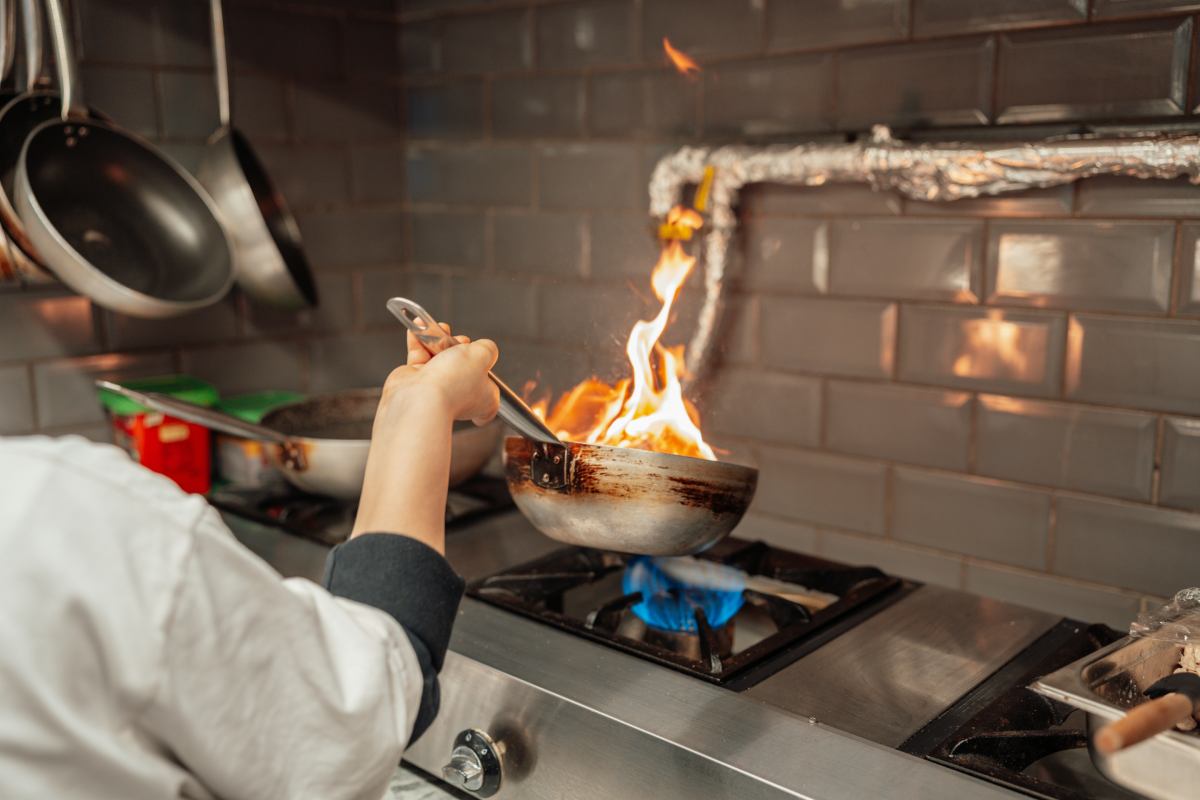
Sautéing involves cooking food quickly in a small amount of oil over medium to high heat. It is ideal for vegetables, eggs, and small cuts of meat.
Roasting uses dry heat in an oven and works well for vegetables, chicken, and potatoes. It often brings out deeper flavours and a satisfying texture.
Baking follows more precise measurements and is used for items like bread, cakes, and pastries. While it may seem complex, starting with simple recipes helps build confidence.
Each method has its purpose, and learning when to use each one makes a big difference.
Learning the Importance of Seasoning
Seasoning is what turns basic ingredients into flavourful meals. Salt is the most important element, as it enhances natural flavours. Adding it gradually and tasting as you cook helps you avoid overdoing it.
Pepper, herbs, and spices add depth and variety. Even simple combinations like garlic and herbs can transform a dish.
Tasting your food during cooking is essential. It allows you to adjust flavours and develop a better understanding of balance.
Following Recipes with Confidence
Recipes can seem overwhelming at first, but they are simply guides. Reading the entire recipe before starting helps you understand the process and prepare your ingredients in advance.
Pay attention to measurements, cooking times, and instructions, but do not be afraid to adapt slightly as you gain experience. Over time, you will rely less on strict instructions and more on your own judgement.
Mistakes are part of learning. A dish that does not turn out perfectly still teaches you something valuable.
Avoiding Common Beginner Mistakes
A few small habits can make a big difference in your results:
- Avoid rushing through steps, especially when learning new techniques
- Do not overcrowd the pan, as it prevents proper cooking
- Taste your food regularly to adjust seasoning
- Prepare ingredients before you start cooking
These simple adjustments help improve both confidence and consistency.
Creating Simple, Enjoyable Meals
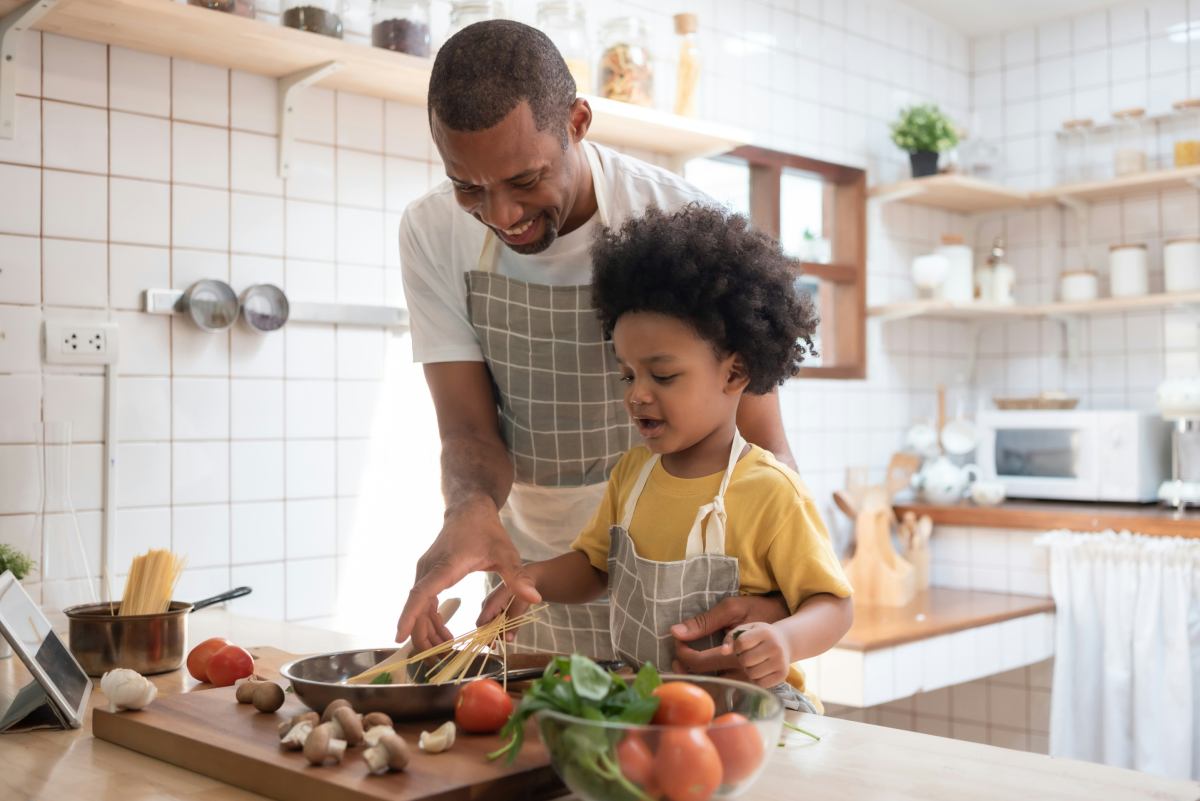
You do not need complicated recipes to cook well. Simple dishes like pasta with vegetables, stir-fried rice, or roasted chicken with potatoes can be both satisfying and easy to prepare.
Starting with familiar flavours builds confidence. As you become more comfortable, you can explore new cuisines and techniques at your own pace.
Cooking regularly, even a few times a week, helps turn these skills into habits.
Building Confidence One Meal at a Time
Confidence in cooking does not come from perfection. It comes from repetition and small improvements. Each meal you prepare adds to your experience.
Set realistic goals. Focus on learning one new skill at a time rather than trying to master everything at once. Over time, these small steps create a strong foundation.
Cooking should feel approachable, not overwhelming. With consistent practice, it becomes a natural and enjoyable part of daily life.
Final Thoughts
Learning to cook at home is a valuable life skill that offers lasting benefits. It supports better health, saves money, and brings a sense of independence and creativity.
By focusing on essential skills like knife handling, heat control, seasoning, and following recipes, beginners can build confidence steadily. The process does not need to be complicated. With patience and practice, anyone can turn simple ingredients into satisfying meals and enjoy the journey along the way.