A heating and cooling system is one of the most important investments in any home. It keeps your space comfortable through changing seasons, but it also comes with a high cost. The good news is that with a few simple habits, you can extend the life of your HVAC system, reduce repair bills, and avoid early replacement.
This is not about complicated maintenance routines. It is about small, consistent actions that protect your system from unnecessary strain and keep it running efficiently for years.
Why HVAC Maintenance Matters More Than You Think
An HVAC system works hard every day. Over time, dust builds up, parts wear down, and airflow becomes restricted. When this happens, the system has to work harder to deliver the same results. That extra effort leads to higher energy bills, more frequent breakdowns, and a shorter lifespan.
Neglect is often the biggest reason systems fail early. A well-maintained unit can last 15 to 20 years, while a neglected one may struggle to reach even half that time. Regular care is not just about performance; it is about protecting your investment.
Change Air Filters Regularly
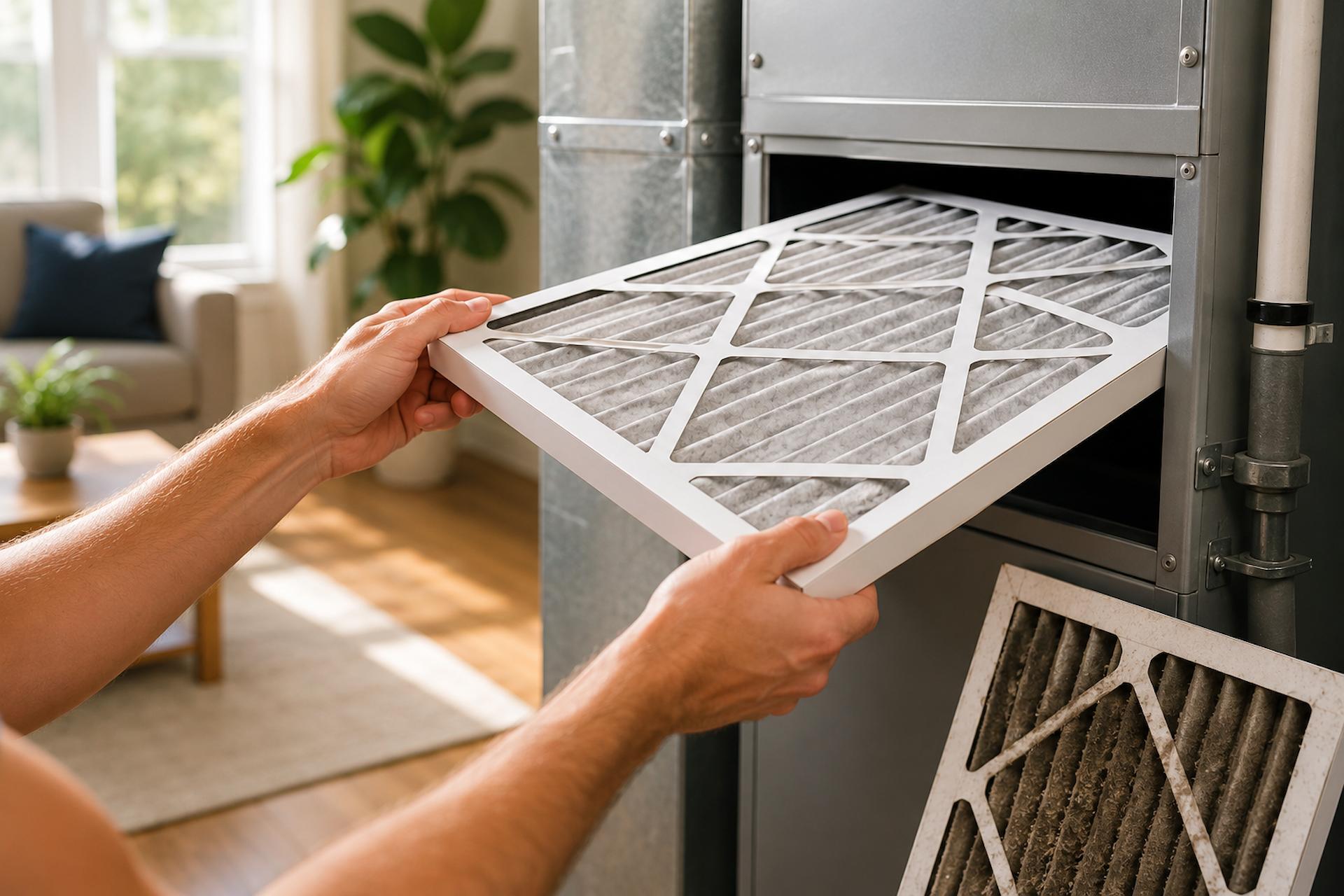
One of the simplest and most effective habits is changing the air filter. A clogged filter restricts airflow, forcing the system to work harder than necessary.
When airflow is blocked, your HVAC unit uses more energy and experiences more wear. Over time, this can damage internal components and reduce efficiency.
Check your filter every month and replace it every one to three months, depending on usage and indoor conditions. Homes with pets or high dust levels may need more frequent changes.
Keep the Outdoor Unit Clear
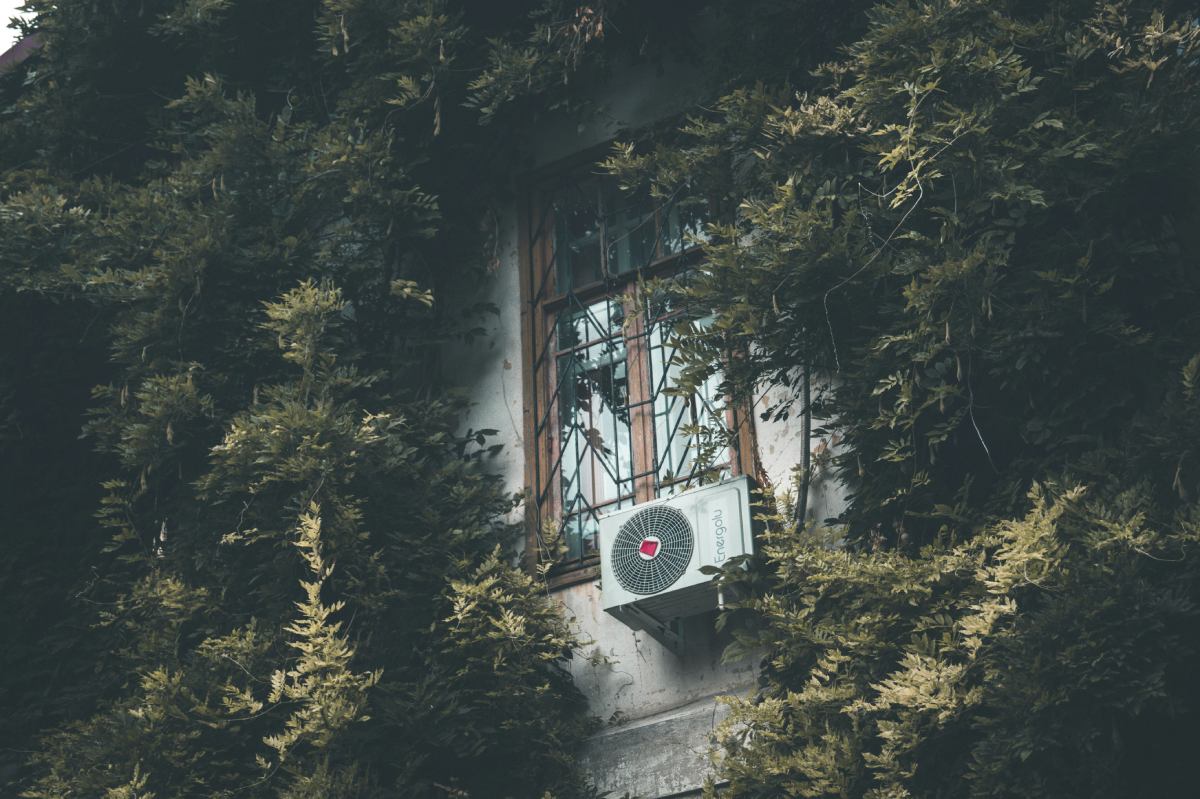
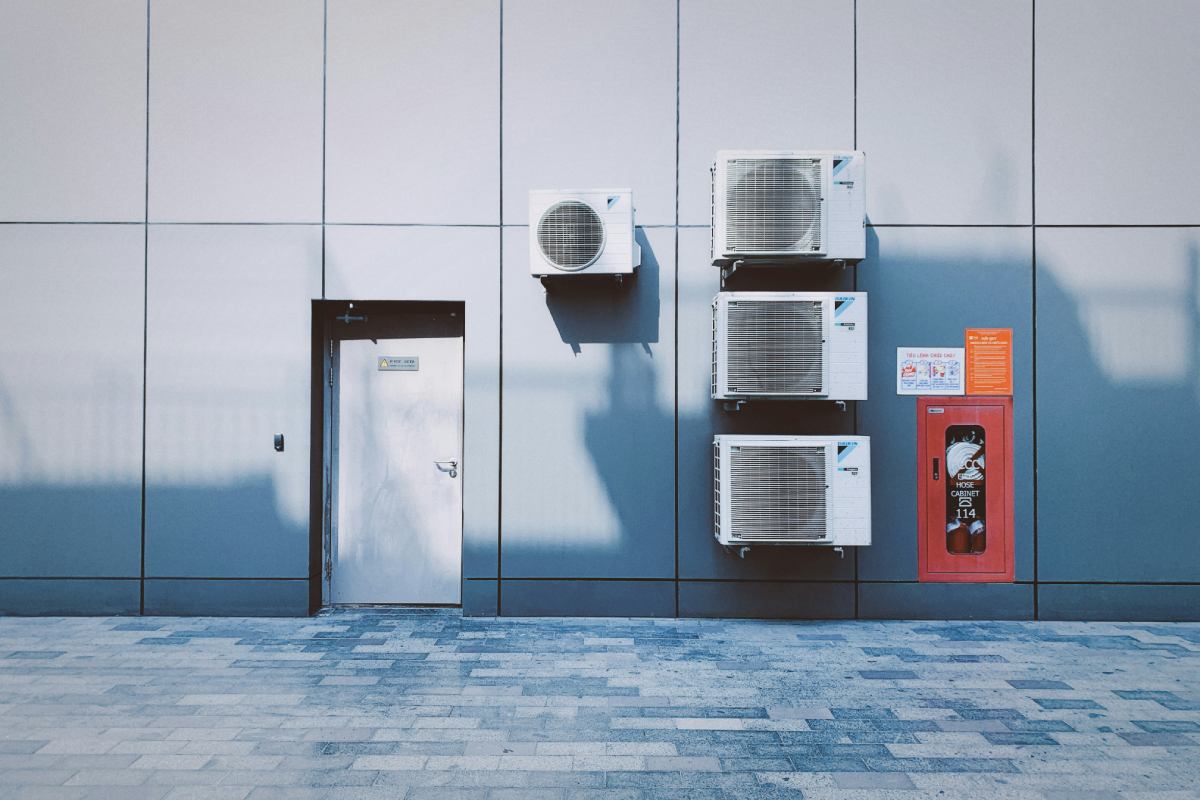
The outdoor condenser unit needs space to function properly. Leaves, dirt, and debris can block airflow and trap heat, making the system less efficient.
Make it a habit to check the area around the unit. Keep at least a couple of feet of clear space on all sides. Trim nearby plants and remove any buildup that could restrict airflow.
A clean and open outdoor unit allows heat to escape easily, reducing stress on the system and improving performance.
Clean Vents and Maintain Airflow
Airflow plays a critical role in how well your HVAC system operates. Blocked or dirty vents can disrupt this flow, causing uneven temperatures and forcing the system to work harder.
Dust and vacuum vents regularly to keep them clear. Also, avoid placing furniture or rugs over vents, as this can limit air circulation.
Balanced airflow helps maintain consistent comfort while reducing unnecessary strain on the system.
Use Your Thermostat Wisely
Your thermostat settings directly impact how often your HVAC system runs. Constantly adjusting temperatures or setting extreme levels can increase wear and tear.
Aim for steady, moderate settings that match your comfort needs. If possible, use a programmable or smart thermostat to manage temperatures efficiently throughout the day.
By reducing unnecessary cycling, you help your system operate more smoothly and extend its lifespan.
Schedule Annual Professional Servicing
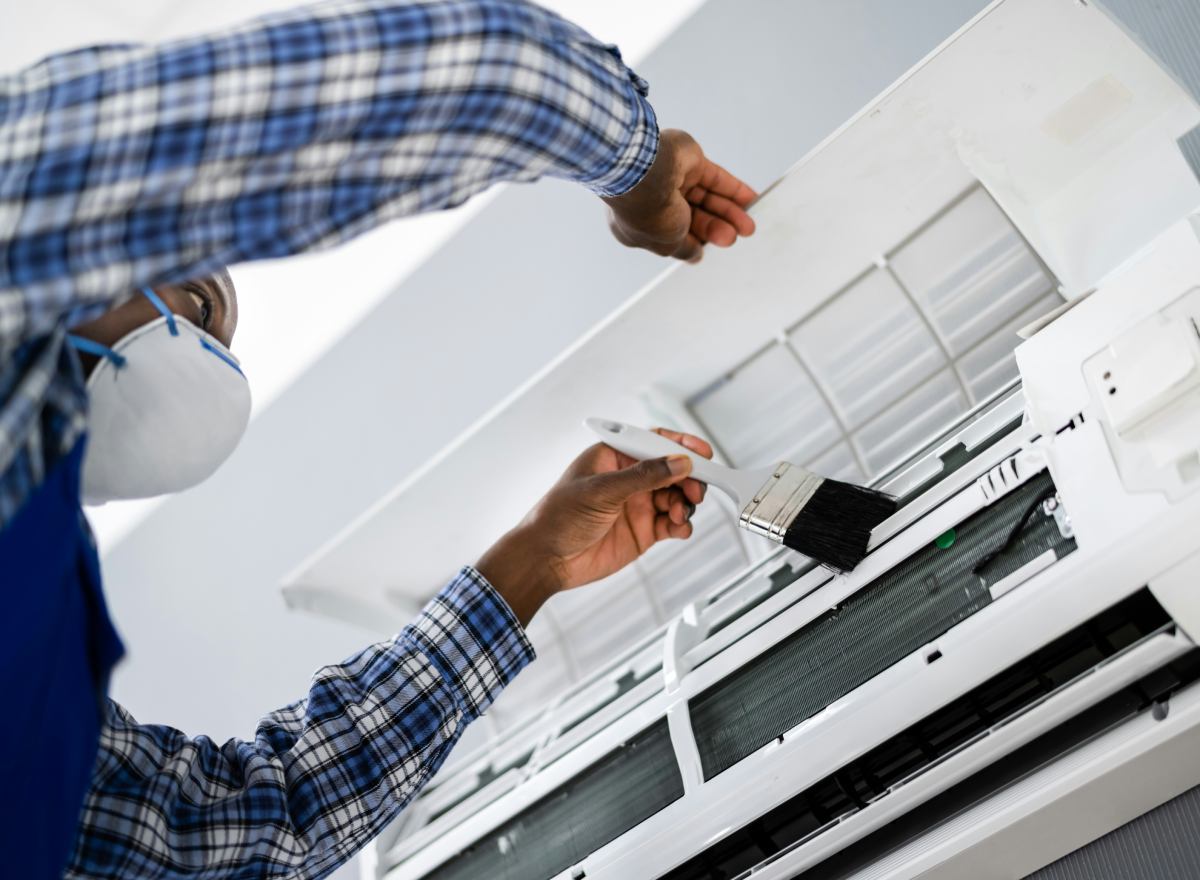
While daily habits make a big difference, professional maintenance is just as important. An annual service allows a trained technician to inspect, clean, and tune your system.
They can identify small issues before they turn into major problems. This includes checking electrical components, refrigerant levels, and overall system performance.
Regular servicing keeps your HVAC unit running efficiently and helps prevent unexpected breakdowns during peak seasons.
Watch for Early Warning Signs
Your HVAC system often gives subtle signals when something is wrong. Paying attention to these signs can help you act early and avoid costly repairs.
Short cycling, where the system turns on and off frequently, may indicate an underlying issue. Weak airflow can suggest blockages or failing components. Unusual smells might point to mould or electrical problems, while loud or unfamiliar noises often signal mechanical wear.
Ignoring these warning signs can lead to bigger issues over time. Addressing them quickly keeps your system in better condition and prevents further damage.
The Cost of Neglect
When maintenance is ignored, the consequences build up slowly. Energy bills increase as efficiency drops. Repairs become more frequent and more expensive. Eventually, the system may fail completely.
Replacing an HVAC system is a major expense that most homeowners would prefer to delay. Simple habits and regular care can make a significant difference in how long your system lasts and how well it performs.
A Smarter Way to Protect Your Investment
Taking care of your HVAC system does not require technical knowledge or a large time commitment. It is about being consistent with small, practical steps that keep everything running smoothly.
Changing filters, keeping units clean, maintaining airflow, and scheduling regular servicing all contribute to a longer-lasting system. These habits not only improve comfort but also reduce long-term costs.
In the end, a well-maintained HVAC system rewards you with reliability, efficiency, and peace of mind. It is a simple approach that pays off year after year.
In Conclusion
Looking after your HVAC system is less about effort and more about consistency. Small habits, done regularly, make a noticeable difference over time. When you keep airflow clear, change filters on schedule, and pay attention to early warning signs, you reduce strain on the system and help it perform at its best.
The result is simple but powerful. Lower energy bills, fewer unexpected repairs, and a system that lasts years longer than one that is neglected. It is a practical approach that protects both your comfort and your budget without adding complexity to your routine.