Owning a home comes with its share of responsibilities, and most of the expensive problems people face don’t happen overnight. They build slowly through small habits that often go unnoticed. The good news is that the same principle works in your favour, too. Simple, everyday actions can protect your home’s systems, reduce wear and tear, and help you avoid sudden, costly repairs.
This is not about complicated maintenance routines or technical knowledge. It is about paying attention to small details and building habits that keep everything running smoothly.
Why Small Habits Matter More Than Big Fixes
Many major home issues begin with something minor. A slow drain, a blocked vent, or excess moisture might not seem urgent at first. Over time, though, these small problems can strain systems, reduce efficiency, and lead to breakdowns.
When you stay consistent with basic care, your plumbing, heating, and electrical systems work as they should. This lowers energy use, extends their lifespan, and helps you avoid emergency callouts that often come at the worst possible time.
Protecting Your Plumbing System
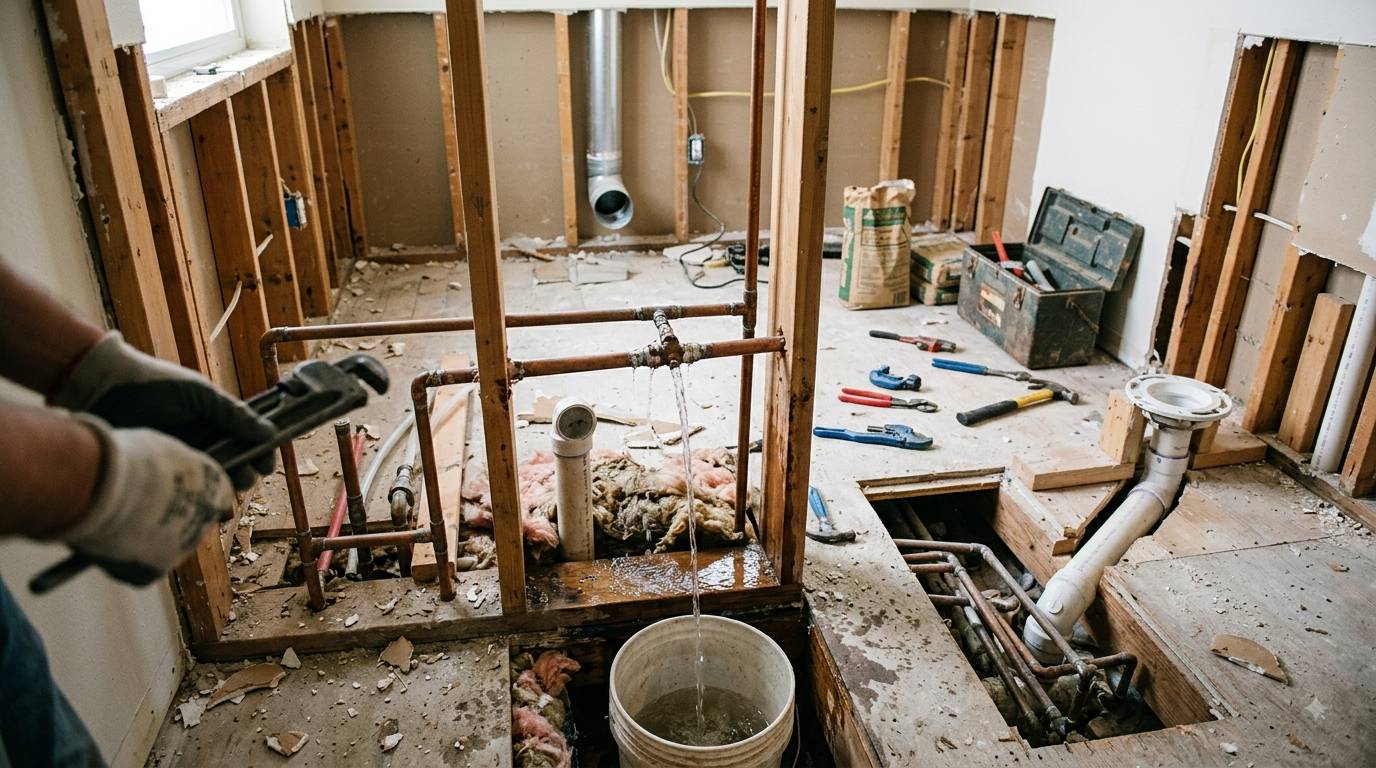
One of the simplest ways to avoid plumbing trouble is to be mindful of what goes down your drains. Grease, oils, and food scraps can build up inside pipes and cause blockages that are difficult and expensive to clear.
Running hot water regularly and occasionally using safe cleaning methods helps keep pipes clear. Flushing your water heater every few months also makes a noticeable difference. Over time, sediment collects at the bottom of the tank, forcing it to work harder and wear out faster. A quick flush improves efficiency and keeps the system in good condition.
Keeping Airflow Systems Clear and Efficient
Airflow is essential for both comfort and safety in a home. Vents, ducts, and filters all play a role in maintaining good air quality and system performance.
When vents are blocked by furniture or dust, airflow becomes restricted. This forces heating or cooling systems to work harder, increasing energy use and reducing lifespan. Keeping vents open and clean allows air to circulate freely and keeps the system running efficiently.
Dryer vents deserve special attention. Lint can build up over time and create a serious fire risk. Regular cleaning not only improves safety but also helps your dryer operate more effectively, reducing drying times and energy use.
Managing Moisture and Humidity
Moisture is one of the most common causes of hidden damage in a home. High humidity levels can lead to mould, weaken structures, and affect indoor air quality.
Monitoring humidity and using simple solutions like ventilation or dehumidifiers can prevent long-term issues. Bathrooms, kitchens, and basements are particularly important areas to watch. Keeping these spaces dry protects walls, ceilings, and flooring from gradual deterioration.
Checking caulking around windows, doors, and wet areas is another small task with big benefits. When seals wear out, water can seep in and cause damage behind the surfaces where it is harder to detect. Replacing worn caulking keeps moisture out and maintains the integrity of your home.
Preventing Water Damage Before It Starts
Water damage is one of the most expensive problems homeowners face, but it is often preventable with simple checks.
Testing your sump pump regularly ensures it will work when you need it most. Heavy rain or rising groundwater can quickly lead to flooding if the pump fails. A quick test gives you peace of mind and allows you to fix any issues early.
It is also worth checking for small leaks under sinks, around appliances, and near water lines. Catching these early prevents them from turning into larger, more costly repairs.
Building Simple Monthly and Seasonal Routines
Consistency is what makes these habits effective. A quick monthly check around your home can help you spot early signs of wear or damage. Listening for unusual noises, noticing changes in water pressure, or paying attention to energy usage can all reveal underlying issues.
Seasonal care also plays a key role. As temperatures change, systems work differently. Preparing your home for summer or winter ensures that heating, cooling, and plumbing systems are ready for the demands ahead.
The goal is not to create a long checklist but to build a rhythm of awareness. When you stay attentive, small issues are easier to manage before they grow.
Extending the Life of Your Home Systems
Every system in your home is designed to last, but how long it actually performs well depends on how it is used and maintained. Regular care reduces strain, improves efficiency, and delays the need for replacement.
This approach not only saves money but also makes your home more comfortable and reliable. Systems that are well-maintained run quietly, use less energy, and deliver consistent performance.
A Smarter Way to Care for Your Home
Taking care of your home does not require major effort or expense. It is about understanding that small, consistent actions have a lasting impact. By staying proactive and paying attention to everyday details, you protect your home from avoidable damage and keep everything working as it should.
Over time, these habits add up. They reduce stress, prevent unexpected costs, and help you get the most out of every system in your home. It is a simple, practical way to care for your space and ensure it continues to serve you well for years to come.
Wrapping Up
Caring for your home does not have to feel overwhelming or time-consuming. The most effective approach often lies in small, consistent habits that quietly protect your systems day after day. By staying attentive and addressing minor issues early, you reduce strain on essential components, improve efficiency, and avoid the kind of breakdowns that lead to costly repairs.
Over time, these simple actions build a stronger, more resilient home. They help you save money, maintain comfort, and extend the lifespan of everything from plumbing to heating systems. In the long run, it is not the big fixes that make the difference, but the steady, thoughtful care you put in along the way.