Modern homes often need to do more with less space. Apartments, compact houses, open-plan layouts, and multipurpose rooms all require furniture that supports everyday life without making rooms feel crowded. The right choices can create more usable floor space while keeping a home comfortable, practical, and visually balanced.
Space-saving furniture is not simply about buying smaller pieces. Good design considers how furniture is used, where it sits, what it can store, and whether it can perform more than one role. Thoughtful furniture choices can make even limited areas feel organised and easier to live in.
Start With Furniture That Serves More Than One Purpose
One of the most practical approaches is choosing multi-functional furniture that can adapt as your needs change. A single item that performs two or three jobs reduces the number of separate pieces required in a room.
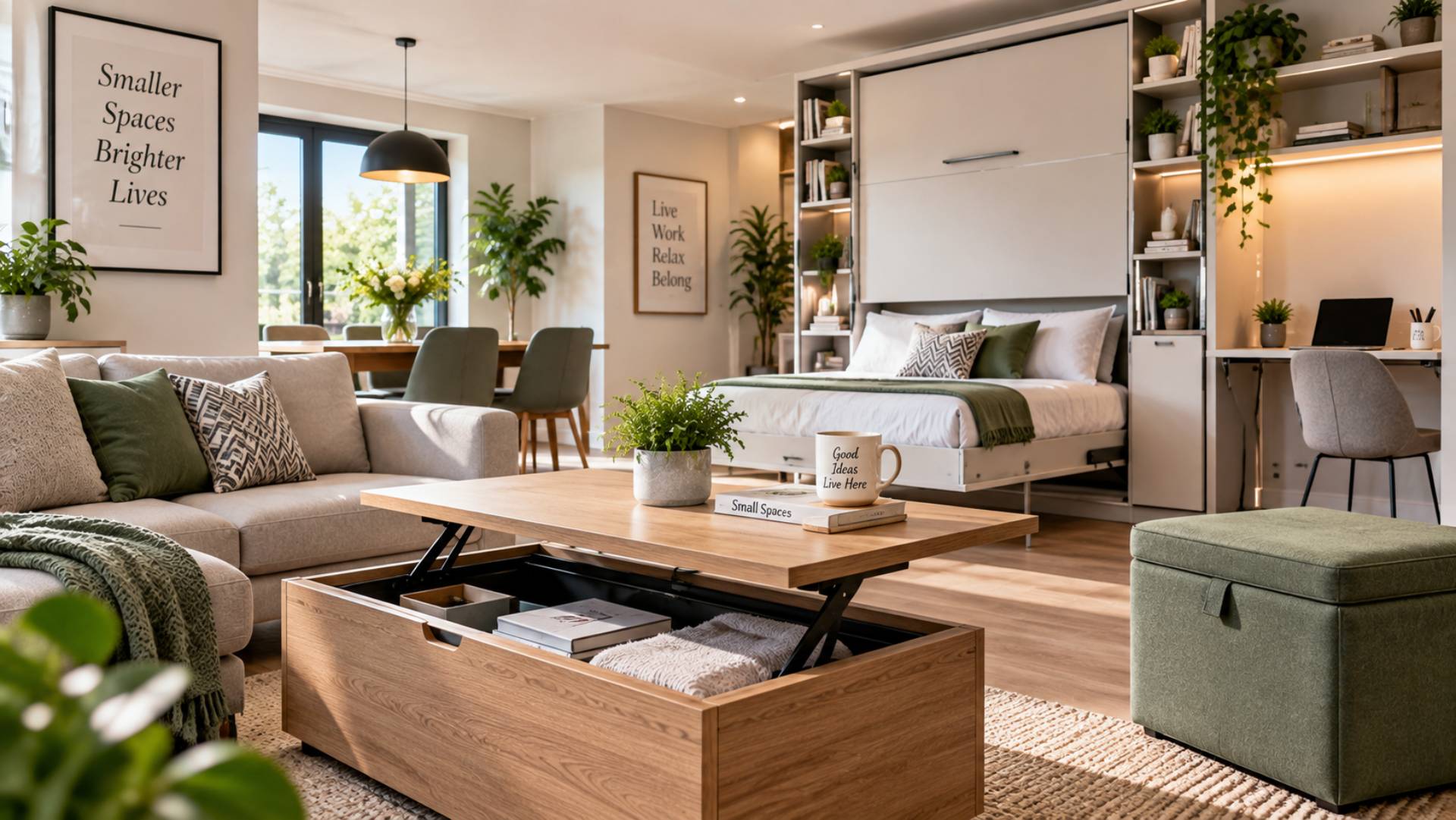
A sofa bed, for example, provides everyday seating while creating an occasional sleeping area for guests. An ottoman can offer seating, hidden storage, and a surface for a tray. A coffee table with a lifting top can provide storage while also functioning as a temporary workspace.
This approach works particularly well in studio apartments, guest rooms, and combined living and working areas.
Make Better Use of Hidden Storage
Clutter can make a room feel smaller than it really is. Furniture with built-in storage helps keep everyday items accessible without leaving them on display.
Beds with drawers underneath can hold seasonal clothing, bedding, shoes, or spare towels. Storage benches work well in hallways, bedrooms, and dining areas, while ottomans can hide magazines, blankets, children’s toys, or electronic accessories.
Well-planned storage solutions are especially useful because they make use of space that might otherwise remain empty. Instead of adding more cupboards or freestanding units, homeowners can choose furniture that naturally incorporates storage into its design.
Consider Folding and Extendable Furniture
Furniture does not need to occupy its maximum amount of space all day.
An extendable dining table can remain compact for everyday meals and expand when visitors arrive. Folding chairs can be stored away until additional seating is required. Drop-leaf tables provide useful dining or working surfaces without permanently taking up valuable floor area.
Wall-mounted folding desks are another practical choice for contemporary homes. They can create a temporary home office and then fold away when the working day ends.
These solutions allow rooms to adapt quickly without requiring major changes to the layout.
Look Up Instead of Across
When floor space is limited, vertical space becomes extremely valuable.
Tall shelving units often provide more storage while occupying less floor area than wide cabinets. Floor-to-ceiling bookcases can hold books, decorative objects, baskets, and household essentials while drawing attention upward.
Wall-mounted shelves can also free up floor space in bedrooms, kitchens, hallways, and living rooms. A floating bedside shelf, for example, may provide enough room for a lamp, phone, and book without requiring a full bedside cabinet.
Using height effectively can make a room more functional without making it feel overloaded.
Choose Furniture That Fits the Room Properly
Buying oversized furniture is one of the easiest ways to make a compact room difficult to use. However, filling a room with many tiny pieces can also create visual clutter.
For small homes, proportion matters more than simply choosing the smallest furniture available. Measure the room before shopping and consider door openings, walking routes, windows, radiators, and other fixed features.
A well-proportioned sofa may work better than several small chairs. Similarly, a carefully positioned dining bench can sometimes provide more seating while taking up less usable space than individual chairs.
Furniture should support movement through the room rather than interrupt it.
Use Nesting Tables for Flexible Surface Space
Nesting tables are particularly useful when extra surfaces are only occasionally required.
The tables sit together when not in use and can be separated when guests arrive or additional space is needed for drinks, food, laptops, or decorative items. Once finished, they can be placed back together.
Their flexibility makes them suitable for living rooms where a permanent collection of side tables would take up unnecessary space.
Consider Benches Instead of Individual Chairs
A bench can be a useful alternative to conventional dining chairs.
When positioned along one side of a dining table, it can seat several people while often taking up less room. Some benches can slide completely beneath the table when they are not needed.
Models with internal storage provide another benefit by creating space for table linen, kitchen accessories, children’s items, or other household belongings.
Built-in benches can also turn awkward corners or window areas into practical seating zones.
Select Slimmer Furniture Profiles
Bulky arms, deep frames, and oversized bases can consume significant floor area without adding much practical value.
Contemporary furniture with cleaner lines and slimmer profiles can make compact rooms easier to arrange. Armless chairs, narrow console tables, slim desks, and streamlined sofas may provide the same essential function while occupying less visual and physical space.
Furniture raised slightly above the floor can also help a room feel more open because more flooring remains visible.
Make Bedrooms Work Harder
Bedrooms often need to provide clothing storage, sleeping space, dressing areas, and sometimes a home office within a relatively small footprint.
A storage bed can reduce the need for another chest of drawers. Wall-mounted bedside units can free floor space, while wardrobes extending upward can make better use of ceiling height.
In children’s bedrooms, bunk beds and raised beds can release valuable floor area for play, study, or storage. A raised bed with a desk underneath can combine two major functions within a single footprint.
Create Flexible Home Working Areas
Working from home has made adaptable furniture increasingly valuable.
Not every property has room for a dedicated office, so compact desks, folding workstations, and furniture that changes function can help create practical working areas.
A console table may serve as a desk during working hours and return to its decorative role afterward. A compact writing desk can fit into a bedroom corner, hallway recess, or unused section of a living room.
The aim is to create a comfortable working setup without allowing office furniture to dominate the home.
Keep Visual Clutter Under Control
Furniture can save physical space while still making a room appear busy if too many different styles, materials, and shapes compete for attention.
Keeping the overall design relatively consistent helps create a calmer appearance. Furniture does not need to match exactly, but pieces should relate through proportion, materials, colour, or design style.
Light finishes, glass surfaces, raised legs, and simple silhouettes can help maintain a more open feeling. Leaving some areas intentionally empty is equally important. Every available corner does not need to contain furniture.
Measure Before You Buy
Accurate measurements can prevent expensive mistakes.
Measure the available width, depth, and height as well as doorways, corridors, staircases, and lifts through which furniture must pass. For extendable or folding furniture, measure the item both when closed and fully opened.
Also consider how much room people need to move around the furniture comfortably. A table may technically fit into a space but still be impractical if chairs cannot be pulled out properly.
Planning dimensions before purchasing helps ensure every item earns its place.
Frequently Asked Questions
What type of furniture saves the most space?
Furniture that combines several functions is often particularly useful. Storage beds, sofa beds, nesting tables, extendable dining tables, benches with storage, and folding desks can reduce the number of separate items required.
Is large furniture unsuitable for compact rooms?
Not necessarily. One well-proportioned larger item can sometimes work better than several smaller pieces. The important factors are scale, placement, walking space, and how effectively the item serves the room.
How can furniture make a small room feel larger?
Choose pieces with suitable proportions, keep clear walking routes, use vertical storage, reduce unnecessary clutter, and consider furniture with slim profiles or raised legs.
Should every piece of furniture include storage?
No. Too many storage-focused pieces can make a room unnecessarily heavy or complicated. Prioritise storage where it solves a genuine problem and keep other furniture simple.
Conclusion
Space-saving furniture can make contemporary homes more practical without sacrificing comfort or style. The most successful approach is to select furniture according to how a room is actually used rather than simply filling available space.
Multi-purpose pieces, hidden storage, folding furniture, vertical shelving, nesting tables, benches, and carefully proportioned designs can help homeowners use limited space more effectively. Measuring properly and considering movement through each room are equally important.
A contemporary home does not need to be large to feel comfortable. When every piece has a clear purpose and the layout leaves room to move, even compact interiors can feel organised, flexible, and welcoming.