Planning a bathroom renovation? Upgrading fixtures and finishes is exciting, but hidden plumbing errors can quickly ruin your dream space. From incorrect pipe sizing to poor drainage slopes, small oversight mistakes lead to costly repairs down the road. Learn the top bathroom plumbing traps to avoid so your remodel stays on budget and stress-free.
Remodeling a bathroom can improve your home’s comfort, style, and value, but plumbing decisions are just as important as design choices. Poor planning, outdated layouts, or incompatible fixtures can lead to costly problems. Focusing on bathroom plumbing for remodeling projects helps ensure a smooth upgrade with reliable, leak-free results.
Key Plumbing Mistakes to Avoid During Your Remodel
This core section acts as a comprehensive guide to the critical installation, material, and layout traps homeowners frequently face during renovations. It gives practical warnings on how to prevent costly water damage, structural issues, and future repair headaches.
1. Relocating Fixtures Without Evaluating Pipe Layouts
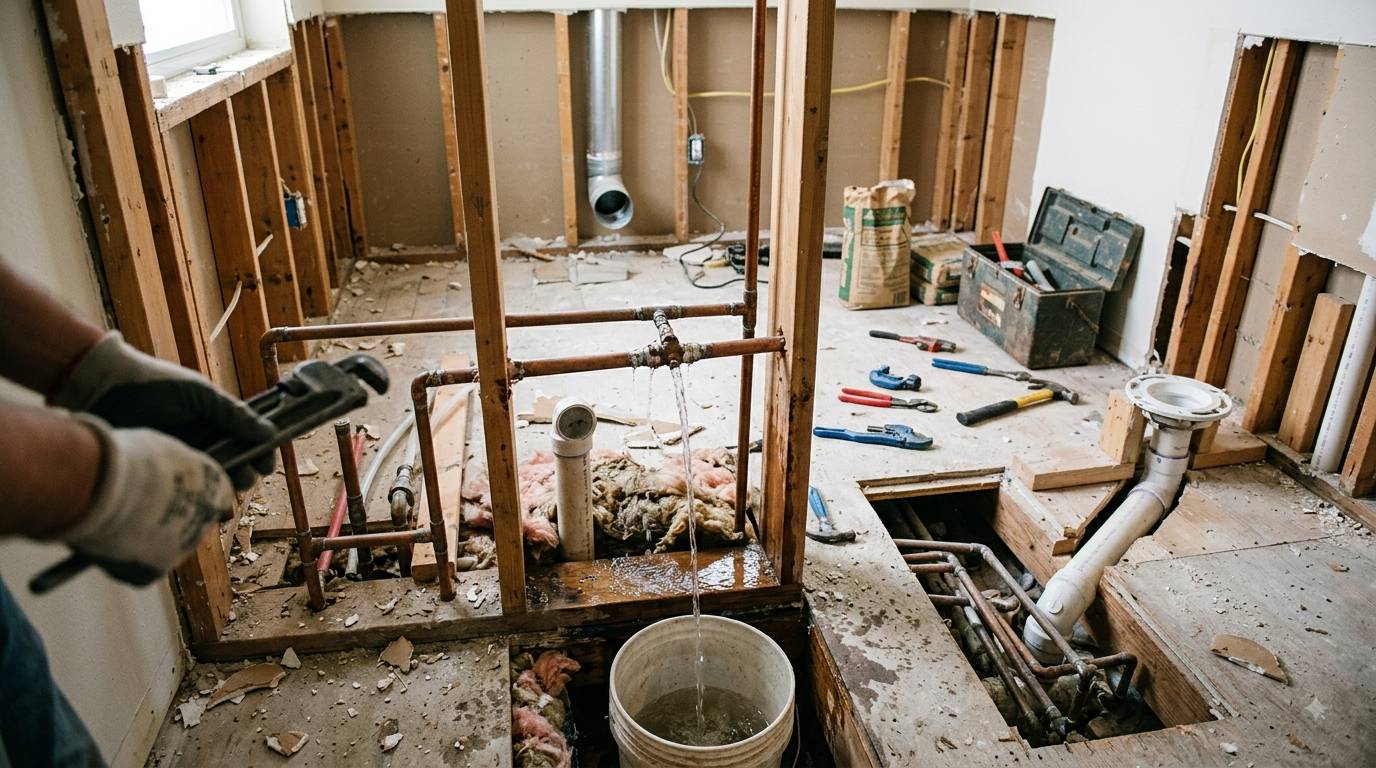
Moving your toilet, sink, or shower across the room creates a dramatic layout change, but it requires extensive pipe rerouting. Plumbing lines rely on strict gravity angles, adequate venting, and proper wall depth to function smoothly. Shifting major fixtures without evaluating your existing drain line capacity often leads to sluggish drainage, pressure drops, and expensive structural framing modifications.
2. Ignoring Drain Line Sizing and Slope Standards
Drainage problems during renovations often stem from using undersized pipes or incorrect slope angles during installation. Standard shower drains require specific pipe diameters to prevent standing water, while proper pitch allows waste to clear efficiently.
- Undersized Drains: Installing smaller pipes causes frequent clogs and slow-draining water in showers and tubs.
- Improper Pitch: Pipe slope that is too steep or too flat prevents water and waste from clearing properly.
- Inadequate Venting: Missing air vents trap vacuum pressure inside pipes, causing gurgling noises and sewer odors.
3. Choosing Incompatible Fixtures and Valves
It is easy to fall in love with high-end modern faucets, but purchasing fixtures before verifying water pressure and valve compatibility leads to frustrating delays. Mixing shower valves from different series or selecting fixtures that do not match your rough-in plumbing dimensions causes leaks and inconsistent water temperature. Partnering with skilled licensed plumbers who specialize in bathroom plumbing for remodeling projects helps ensure every fixture aligns perfectly with your supply lines and pressure requirements.
4. Forgetting Accessibility for Future Maintenance
Enclosing shut-off valves, cleanout plugs, and shower cartridges behind solid drywall or tile creates massive headaches when repairs are needed later. Every quality remodel should feature discreet access panels for critical connections.
- Supply Shut-Off Valves: Keep main supply valves easily reachable under vanity sinks and near tub bases.
- Drain Cleanout Access: Ensure drain cleanouts remain accessible to clear stubborn clogs without cutting through walls.
- Shower Cartridge Plates: Install accessible trim plates so mixing valves can be serviced from the front.
5. Neglecting Proper Shut-Off Valve Installations
Reusing old, corroded shut-off valves or failing to install individual stop valves for each new fixture is a major oversight. During a future repair or sudden emergency, dedicated local shut-off valves allow you to isolate single fixtures without cutting off water to your entire home.
- Old Valve Failure: Reusing worn-out valves frequently leads to slow drips and handling failures under new water pressure.
- Lack of Local Stops: Missing individual shut-off valves means turning off the main house water for minor repairs.
- Inferior Materials: Skipping heavy-duty brass quarter-turn ball valves leads to early valve degradation.
6. Overlooking Waterproofing and Leak Prevention Around Rough-Ins
Focusing purely on surface waterproofing like tile backer boards while ignoring the pipe penetrations behind the wall invites hidden moisture damage. Failing to properly seal around tub spouts, shower arms, and valve stems allows water to creep into framing, causing rot and mold growth long before leaks become visible.
FAQs
How do I know if my existing pipes need to be replaced during a remodel?
If your home has original galvanized steel or polybutylene pipes, replace them during demolition. Old pipes are prone to corrosion, hidden leaks, and reduced water pressure over time.
Can I move my toilet to a different wall during a renovation?
Yes, but moving a toilet requires relocating a main 3-inch or 4-inch soil stack and maintaining proper slope, which increases labor costs and structural adjustments.
Why is water pressure low after installing a new showerhead?
Low water pressure usually results from incompatible mixing valves, unremoved flow restrictors, or undersized water supply lines that cannot support high-flow fixtures.
Should I replace the shower valve when upgrading shower trim?
Yes. Upgrading the internal shower valve ensures compatibility with modern trim kits and prevents hidden valve leaks behind your new tile work.
How can I prevent water leaks behind my new bathroom walls?
Use proper waterproofing membranes behind tiles, perform pressure tests on all new supply connections before closing walls, and ensure all joints are sealed correctly.
Conclusion
A successful bathroom renovation requires a thoughtful balance of attractive design and dependable functionality. By anticipating plumbing challenges early—such as proper pipe slope, fixture compatibility, and easy maintenance access—you protect your home from sudden leaks and costly future repairs. Skipping professional planning or rushing structural pipe decisions almost always results in long-term headaches. Prioritizing high-quality materials, precise measurements, and expert installation guarantees that your new space remains functional and leak-free for decades. When you invest in reliable bathroom plumbing for remodeling projects, you gain total peace of mind knowing your fixtures perform as flawlessly as they look. Protect your sanctuary by focusing on what goes behind the walls just as much as what goes on top.