Creating a beautiful home isn’t about filling every corner with expensive furniture or following the latest decorating trends. The most inviting interiors are carefully layered, combining texture, colour, materials, and meaningful pieces that work together to create warmth, depth, and personality.
Layered living is an interior design approach that transforms ordinary rooms into welcoming spaces with character. Instead of relying on a single style or statement piece, layering builds visual interest through multiple elements that complement one another. The result is a home that feels comfortable, timeless, and uniquely yours.
Whether you’re decorating a new home or refreshing an existing one, learning how to layer your interiors can help you create spaces that remain stylish for years rather than seasons.
What Is Layered Living?
Layered living is the art of combining different design elements to create interiors that feel balanced, functional, and visually engaging. Every room consists of multiple layers, each contributing to its overall look and feel.
These layers typically include:
- Colour palettes
- Textures
- Natural and manufactured materials
- Furniture styles
- Lighting
- Decorative accessories
- Functional storage
- Artwork and personal touches
Rather than competing for attention, these elements support one another to create harmony throughout the room.
Why Layering Creates Timeless Interiors
Many trendy spaces quickly look outdated because they rely heavily on one colour, one material, or one design style. Layered interiors, on the other hand, are built around balance.
When textures, finishes, and colours are thoughtfully combined, a room gains depth that remains appealing even as trends evolve.
Benefits of layered design include:
- Creates visual depth without clutter
- Makes rooms feel warm and welcoming
- Allows easy seasonal updates
- Reflects personal style
- Works with nearly every decorating style
- Helps expensive investment pieces blend with affordable décor
A layered room tells a story rather than showcasing individual objects.
Start with a Strong Foundation
Every successful layered interior begins with a neutral or balanced foundation.
Walls, flooring, and large furniture pieces often serve as the backdrop for everything else. Choosing timeless colours such as soft white, warm beige, gentle grey, taupe, or muted earth tones gives you flexibility to experiment with accessories later.
A calm foundation also prevents the room from feeling busy once additional layers are introduced.
Add Texture for Warmth and Comfort
Texture is often what separates a flat-looking room from one that feels inviting.
Even if your colour palette is simple, combining different textures instantly creates visual richness.
Consider mixing:
- Wool rugs
- Linen curtains
- Velvet cushions
- Cotton throws
- Leather chairs
- Woven baskets
- Natural wood furniture
- Stone surfaces
- Ceramic accessories
The contrast between soft and hard surfaces keeps the eye moving naturally around the room.
For example, a linen sofa paired with a chunky knit throw, velvet cushions, and a wooden coffee table creates far more interest than using similar fabrics throughout.
Build a Cohesive Colour Palette
Colour plays a significant role in layered living, but it doesn’t require bold shades everywhere.
A well-balanced colour palette often includes:
- One dominant base colour
- One or two complementary colours
- Small accent colours for personality
Earthy greens, warm terracotta, navy blue, soft charcoal, muted mustard, and dusty blues pair beautifully with neutral foundations.
Repeating colours throughout different elements—such as artwork, cushions, rugs, and decorative objects—helps tie the room together without appearing repetitive.
Mix Materials Thoughtfully
Using only one material can make a room feel predictable. Mixing finishes creates natural contrast and depth.
Popular combinations include:
- Wood with marble
- Leather with linen
- Glass with metal
- Stone with woven fibres
- Matte finishes with polished accents
Natural materials bring warmth, while metal and glass introduce refinement.
The key is balance. Allow one material to dominate while others support the overall design.
Choose Furniture with Purpose
Furniture forms one of the largest visual layers in any room.
Instead of matching every piece from the same collection, combine different shapes, finishes, and eras while maintaining a consistent colour palette.
For example:
- A modern sofa
- A vintage wooden coffee table
- Contemporary accent chairs
- A woven storage bench
This approach creates a collected look rather than a showroom appearance.
Always prioritise comfort alongside style. Beautiful furniture should also support everyday living.
Use Rugs to Define Spaces
Rugs do much more than protect flooring.
They:
- Anchor furniture arrangements
- Introduce colour and texture
- Improve comfort underfoot
- Reduce echo in larger rooms
- Separate functional areas in open-plan spaces
Choose rugs large enough to connect major furniture pieces rather than floating in the middle of the room.
Layering a smaller patterned rug over a larger neutral one can add even more depth.
Layer Soft Furnishings
Soft furnishings are one of the easiest ways to refresh a room.
Mix:
- Cushions in different sizes
- Throws with varied textures
- Curtains that soften natural light
- Upholstery featuring subtle patterns
Avoid making everything identical.
Instead, vary fabrics while maintaining a consistent colour story.
The result feels effortless rather than overly coordinated.
Incorporate Lighting at Multiple Levels
Lighting is an often-overlooked design layer.
A single ceiling light rarely creates the atmosphere a room deserves.
Instead, combine:
- Ceiling fixtures
- Table lamps
- Floor lamps
- Wall sconces
- Accent lighting
- Natural daylight
Layered lighting makes rooms feel larger, more comfortable, and adaptable throughout the day.
Warm lighting also highlights textures that might otherwise go unnoticed.
Add Decorative Accessories with Intention
Accessories should support the room rather than overwhelm it.
Choose decorative pieces that reflect your personality, including:
- Books
- Candles
- Handmade ceramics
- Framed artwork
- Plants
- Sculptures
- Decorative bowls
- Travel souvenirs
Group smaller items together instead of scattering them throughout the room.
This creates visual organisation while reducing clutter.
Bring Nature Indoors
Natural elements soften interiors and introduce organic texture.
Simple additions include:
- Indoor plants
- Fresh flowers
- Wooden furniture
- Stone décor
- Woven baskets
- Bamboo accessories
These materials connect the indoors with nature and help create calming, restorative spaces.
Balance Visual Weight
Every room benefits from visual balance.
If one side contains heavy furniture, offset it with artwork, shelving, plants, or another substantial element elsewhere.
Likewise, avoid concentrating all colours or accessories in one area.
Distributing visual weight evenly makes the room feel harmonious and complete.
Keep Function at the Heart of Every Layer
Beautiful interiors should also support everyday life.
Ask yourself:
- Does this furniture improve comfort?
- Is there enough storage?
- Can people move easily around the room?
- Is every decorative item meaningful or useful?
When design supports daily routines, your home feels both elegant and practical.
Refresh Your Home Seasonally
One advantage of layered interiors is their flexibility.
Instead of redecorating completely, update smaller elements throughout the year.
For spring and summer:
- Lightweight linen
- Fresh greenery
- Light-coloured cushions
- Bright ceramics
For autumn and winter:
- Chunky knit throws
- Wool blankets
- Rich earth tones
- Velvet cushions
- Warm candlelight
These small changes keep interiors feeling fresh without major expense.
Common Layering Mistakes to Avoid
While layering adds richness, too much can create clutter.
Avoid these common mistakes:
- Using too many colours
- Ignoring scale and proportion
- Matching everything perfectly
- Filling every empty surface
- Choosing décor without purpose
- Forgetting negative space
- Overusing trendy accessories
Remember that empty space is also an important design element.
It gives each layer room to breathe.
Layering Ideas for Every Room
Living Room
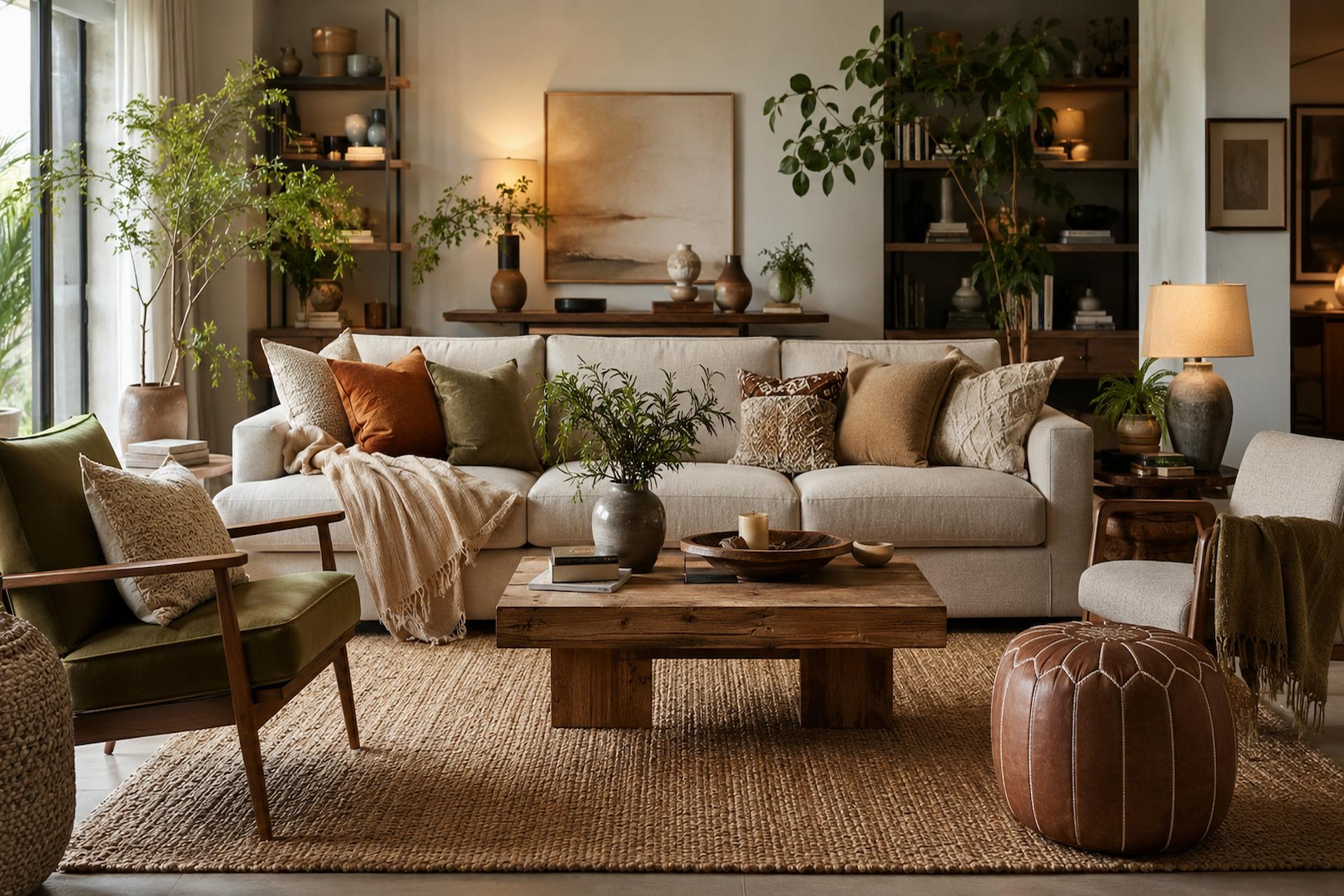
Combine a textured rug, comfortable seating, layered lighting, artwork, indoor plants, and decorative cushions for a welcoming atmosphere.
Bedroom
Use upholstered headboards, layered bedding, bedside lighting, soft curtains, and natural materials to create a peaceful retreat.
Dining Room
Mix wooden furniture with upholstered dining chairs, statement lighting, ceramics, and a centrepiece that changes with the seasons.
Home Office
Introduce layered storage, comfortable seating, natural light, greenery, and textured accessories to make the workspace productive and inviting.
Expert Tips for Timeless Layered Interiors
Keep these principles in mind whenever decorating:
- Build slowly instead of buying everything at once.
- Invest in quality furniture that lasts.
- Mix old and new pieces for character.
- Repeat colours to create cohesion.
- Use texture generously, even in neutral rooms.
- Choose décor with personal meaning.
- Prioritise comfort as much as appearance.
- Leave breathing room between decorative elements.
Homes that evolve naturally often feel more authentic than those decorated all at once.
Frequently Asked Questions
1. What does layered living mean in interior design?
Layered living is the practice of combining colours, textures, materials, furniture, lighting, and décor to create balanced, comfortable, and visually rich interiors.
2. How can I layer a room without making it look cluttered?
Choose a consistent colour palette, vary textures, limit decorative accessories, and leave open space so each design element has room to stand out.
3. Which textures work best in layered interiors?
Linen, wool, cotton, velvet, leather, natural wood, stone, woven baskets, and ceramics create depth while maintaining a timeless appearance.
4. Can layered design work in small spaces?
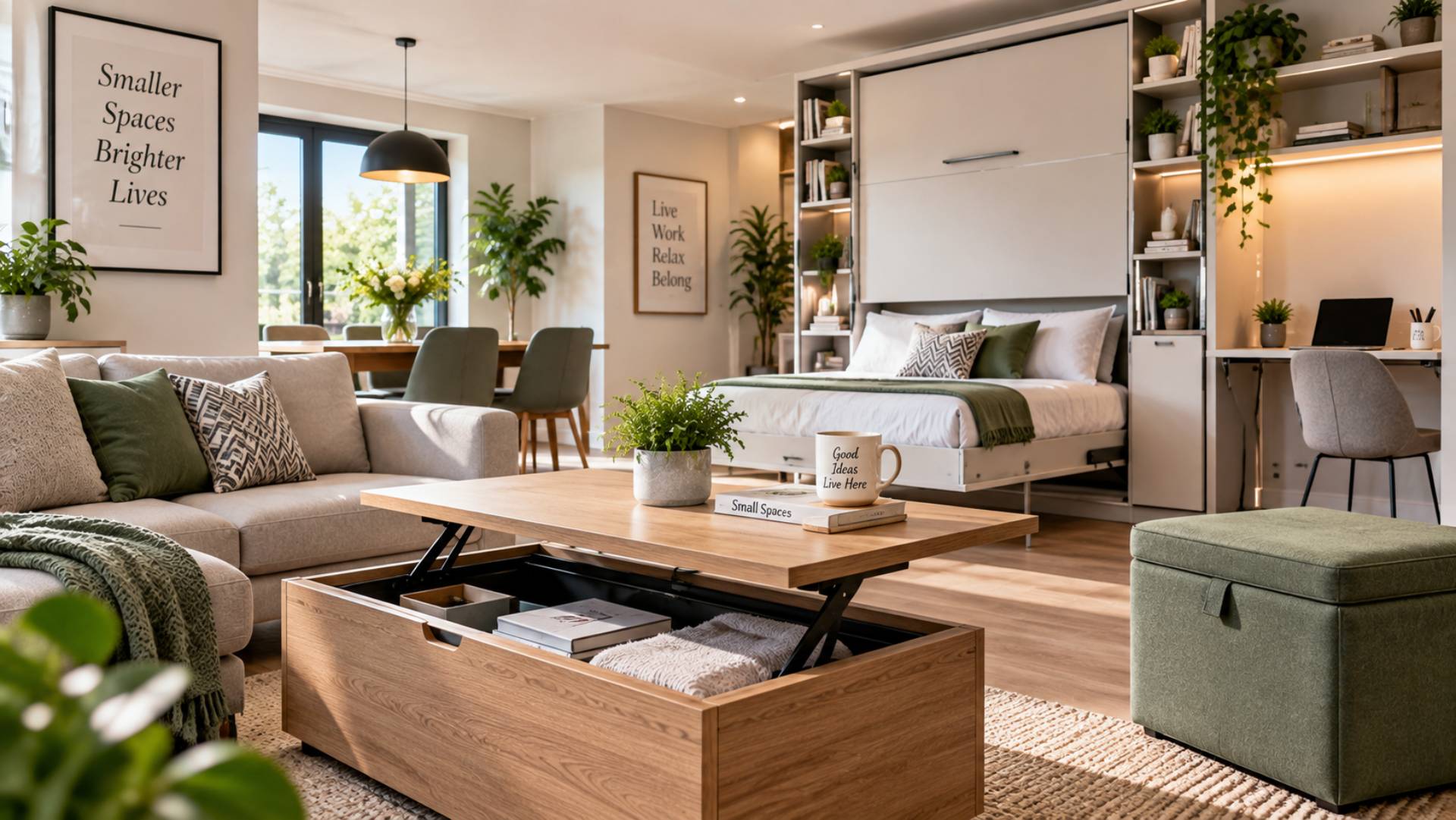
Yes. Use fewer but higher-quality layers, light colours, multifunctional furniture, mirrors, and varied textures to add depth without overcrowding the room.
5. Why is layering considered a timeless design approach?
Layering focuses on balance, comfort, and quality rather than trends, making interiors adaptable, functional, and stylish for many years.
Conclusion
Layered living is about far more than decoration. It is a thoughtful approach to designing spaces that combine comfort, beauty, and functionality in equal measure. By carefully blending textures, colours, materials, furniture, lighting, and meaningful accessories, you create interiors that feel rich without becoming overwhelming.
The best layered homes aren’t perfect—they’re personal. They grow over time, reflect the people who live in them, and adapt effortlessly through changing seasons and evolving tastes. Instead of chasing every new trend, focus on balance, quality, and thoughtful combinations. The result will be a timeless home that feels welcoming today and for years to come.