A well-designed garden is more than an attractive outdoor area. It’s an extension of your home, a place to relax, entertain, connect with nature, and enjoy every season. Whether you have a spacious backyard, a compact courtyard, or a small balcony, thoughtful garden design can transform any outdoor space into something both beautiful and practical.
The best gardens don’t happen by accident. They balance aesthetics with functionality, reflect the owner’s lifestyle, and continue to evolve over time. Great design considers everything—from layout and planting to lighting, maintenance, and sustainability.
This comprehensive guide walks you through every step of creating a garden that looks stunning, works for your everyday life, and remains enjoyable for years to come.
What Is Garden Design?
Garden design is the process of planning and organizing outdoor spaces to create harmony between plants, structures, pathways, and functional areas.
It combines elements of:
- Landscape planning
- Plant selection
- Outdoor living design
- Hardscaping
- Environmental sustainability
- Seasonal interest
- Personal style
Rather than randomly placing flowers or shrubs, good garden design creates a balanced environment where every element has a purpose.
Why Good Garden Design Matters
An intentional garden offers benefits that go far beyond appearance.
It can:
- Increase property value
- Improve outdoor living
- Support local wildlife
- Reduce stress
- Improve air quality
- Create shade and cooling
- Encourage outdoor activities
- Make maintenance easier
A thoughtfully designed landscape becomes more enjoyable as it matures.
Start by Understanding Your Space
Every successful project begins with observation.
Before buying plants or materials, study your garden carefully.
Consider:
Sunlight
Notice which areas receive:
- Full sun
- Partial shade
- Deep shade
Most plants have specific sunlight requirements.
Soil Quality
Healthy soil supports healthy plants.
Test for:
- Drainage
- pH level
- Organic matter
- Texture (clay, sandy, loamy)
Improving soil before planting saves significant effort later.
Climate
Choose plants that thrive naturally in your local growing conditions.
Think about:
- Average rainfall
- Summer temperatures
- Winter frost
- Wind exposure
- Humidity
Working with your climate produces healthier gardens with less maintenance.
Existing Features
Take inventory of:
- Trees
- Fences
- Buildings
- Patios
- Slopes
- Utilities
- Water sources
These influence your final design.
Define the Purpose of Your Garden
Ask yourself how you want to use the space.
Your priorities might include:
- Relaxation
- Family gatherings
- Outdoor dining
- Vegetable gardening
- Wildlife habitat
- Children’s play area
- Meditation
- Entertaining guests
A clear purpose helps guide every design decision.
Understand the Basic Principles of Garden Design
Professional designers follow several timeless principles.
Balance
Visual weight should feel evenly distributed.
Balance may be:
- Symmetrical
- Asymmetrical
- Radial
Each creates a different atmosphere.
Unity
Plants, materials, and colors should feel connected rather than random.
Repeating similar shapes and textures creates harmony.
Proportion
Everything should fit together.
Avoid placing tiny plants beside oversized structures unless creating intentional contrast.
Rhythm
Repeating elements leads the eye naturally through the landscape.
Examples include:
- Similar shrubs
- Repeated flower colors
- Matching pathway materials
Focal Points
Every garden benefits from one or two standout features.
Examples include:
- Water fountains
- Sculptures
- Large specimen trees
- Pergolas
- Flower beds
- Decorative pots
These create visual interest.
Plan the Garden Layout
Think of your garden as a series of connected outdoor rooms.
Popular zones include:
- Lawn
- Dining area
- Vegetable garden
- Seating corner
- Flower borders
- Water feature
- Children’s play space
- Storage area
Organizing space improves flow and usability.
Create Functional Pathways
Paths connect every part of the garden.
Good pathways should be:
- Wide enough for comfortable walking
- Safe during wet weather
- Durable
- Easy to maintain
Common materials include:
- Natural stone
- Gravel
- Brick
- Concrete pavers
- Wood decking
Curved paths feel relaxed.
Straight paths appear formal.
Choose the Right Plants
Plant selection shapes the entire character of a garden.
Choose plants based on:
- Sunlight
- Soil
- Climate
- Mature size
- Water requirements
- Bloom time
- Maintenance level
Mix different plant types for variety.
Include:
- Trees
- Shrubs
- Perennials
- Annual flowers
- Ground covers
- Grasses
- Climbers
Layering different heights creates depth.
Design with Seasonal Interest
Beautiful gardens evolve throughout the year.
Include plants offering:
Spring
- Bulbs
- Blossoms
- Fresh foliage
Summer
- Colorful flowers
- Dense greenery
Autumn
- Vibrant leaves
- Seed heads
- Ornamental grasses
Winter
- Evergreen shrubs
- Bark texture
- Berries
- Architectural branches
Planning for every season keeps the landscape attractive year-round.
Add Hardscape Features
Hardscaping refers to permanent non-living structures.
Popular options include:
- Patios
- Retaining walls
- Decks
- Pergolas
- Gazebos
- Garden edging
- Fire pits
- Raised beds
Hardscape provides structure and extends outdoor living.
Include Comfortable Seating
A garden should invite people to stay.
Consider:
- Benches
- Outdoor sofas
- Bistro tables
- Swing chairs
- Hammocks
Position seating where views are most enjoyable.
Shade is equally important during warmer months.
Use Lighting to Extend Garden Enjoyment
Outdoor lighting improves safety while creating atmosphere.
Layer different lighting types.
Examples include:
- Path lights
- Spotlights
- Wall lights
- Deck lighting
- Tree uplighting
- String lights
- Lanterns
Warm lighting often creates the most welcoming effect.
Add Water Features
Water introduces movement, sound, and tranquility.
Popular choices include:
- Fountains
- Small ponds
- Waterfalls
- Reflecting pools
- Bird baths
Even a compact feature can dramatically change the atmosphere.
Create Privacy Naturally
Gardens often benefit from greater privacy.
Natural screening options include:
- Evergreen hedges
- Bamboo
- Climbing vines
- Trellises
- Decorative fences
- Tall ornamental grasses
Privacy creates a stronger sense of comfort.
Support Wildlife
A healthy garden attracts beneficial wildlife.
Plant species that encourage:
- Bees
- Butterflies
- Birds
- Pollinators
Add features like:
- Bird feeders
- Bird baths
- Native flowering plants
- Pollinator gardens
Supporting biodiversity improves the entire ecosystem.
Design a Low-Maintenance Garden
Beautiful doesn’t have to mean high maintenance.
Reduce future work by:
- Choosing native plants
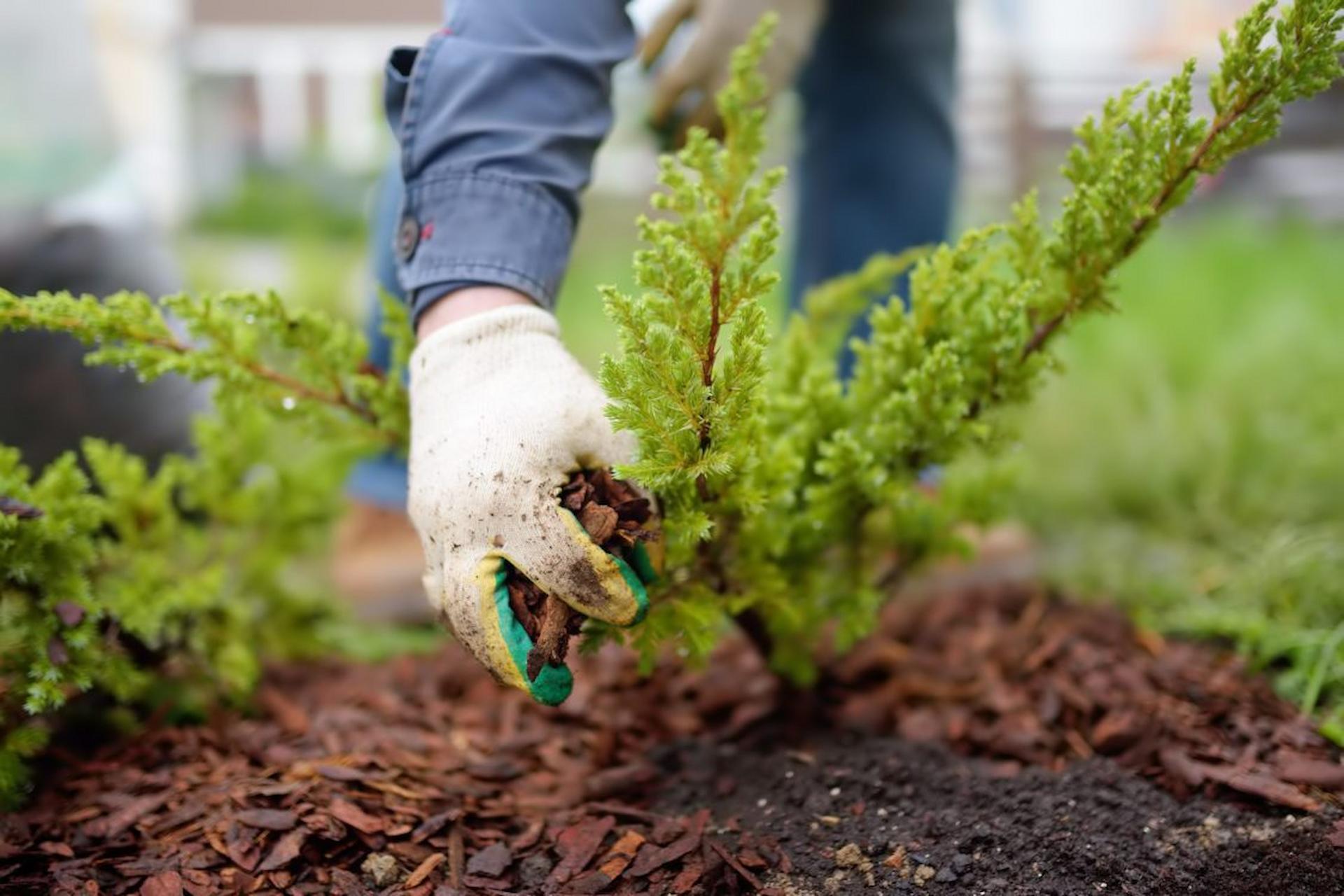
- Using mulch
- Installing drip irrigation
- Grouping plants with similar water needs
- Limiting large lawn areas
- Selecting disease-resistant varieties
Planning ahead saves countless hours later.
Make Sustainability Part of the Design
Environmentally friendly gardens are increasingly important.
Sustainable ideas include:
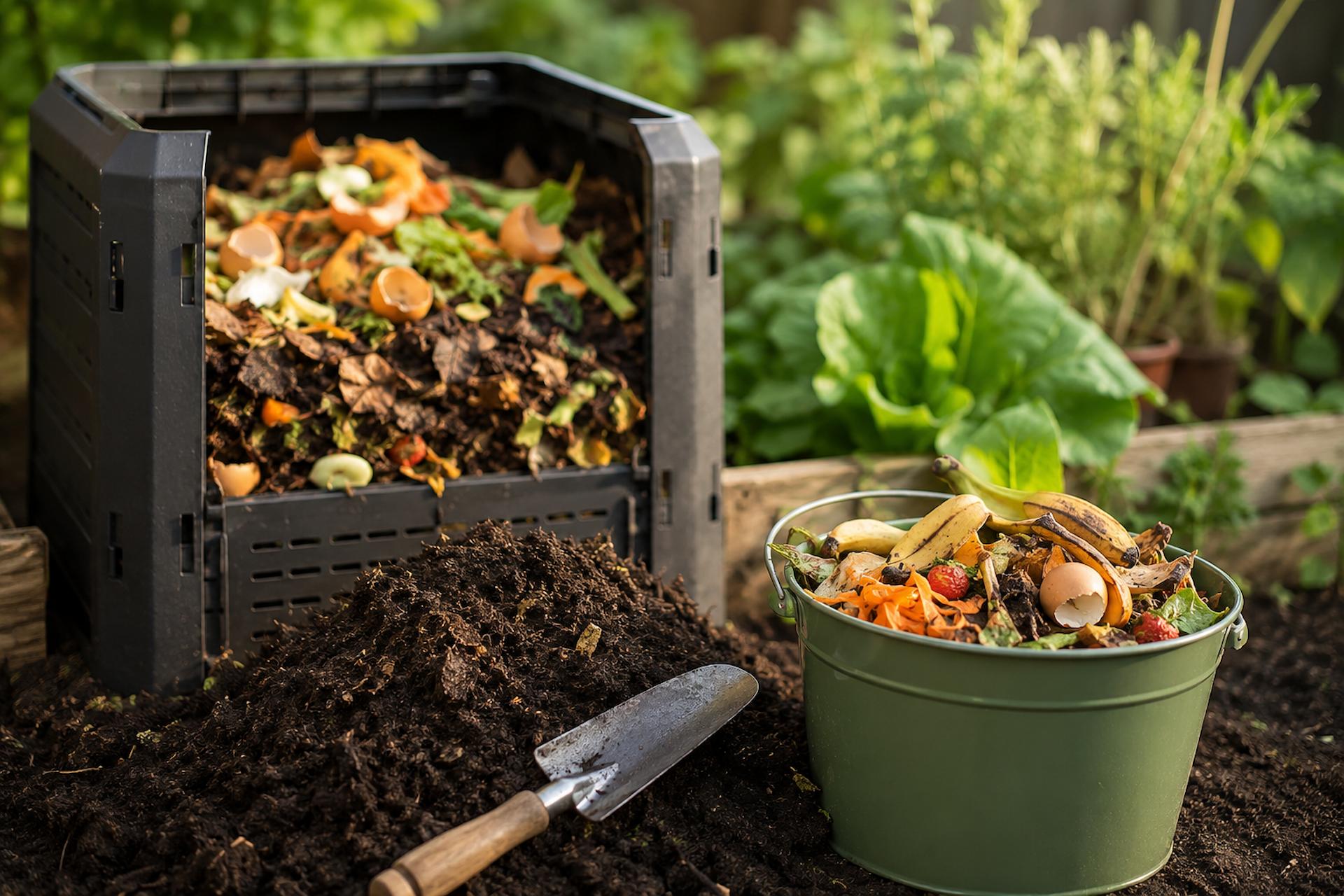
- Rainwater collection
- Composting
- Native planting
- Organic fertilizers
- Permeable paving
- Reduced chemical use
- Water-efficient irrigation
These practices benefit both your garden and the environment.
Common Garden Design Styles
Different styles create different moods.
Modern Garden
Features:
- Clean lines
- Minimal planting
- Neutral colors
- Geometric layouts
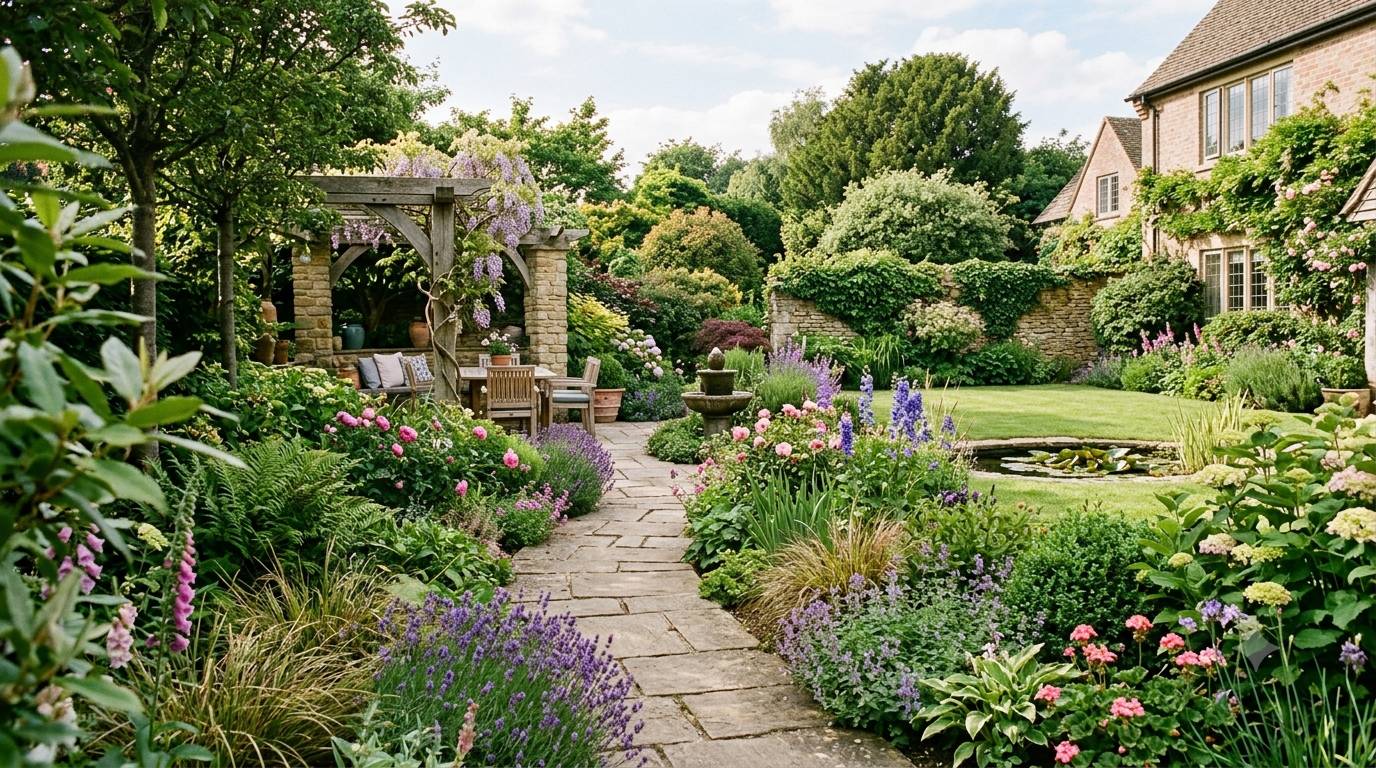
Cottage Garden
Known for:
- Informal planting
- Colorful flowers
- Climbing roses
- Dense borders
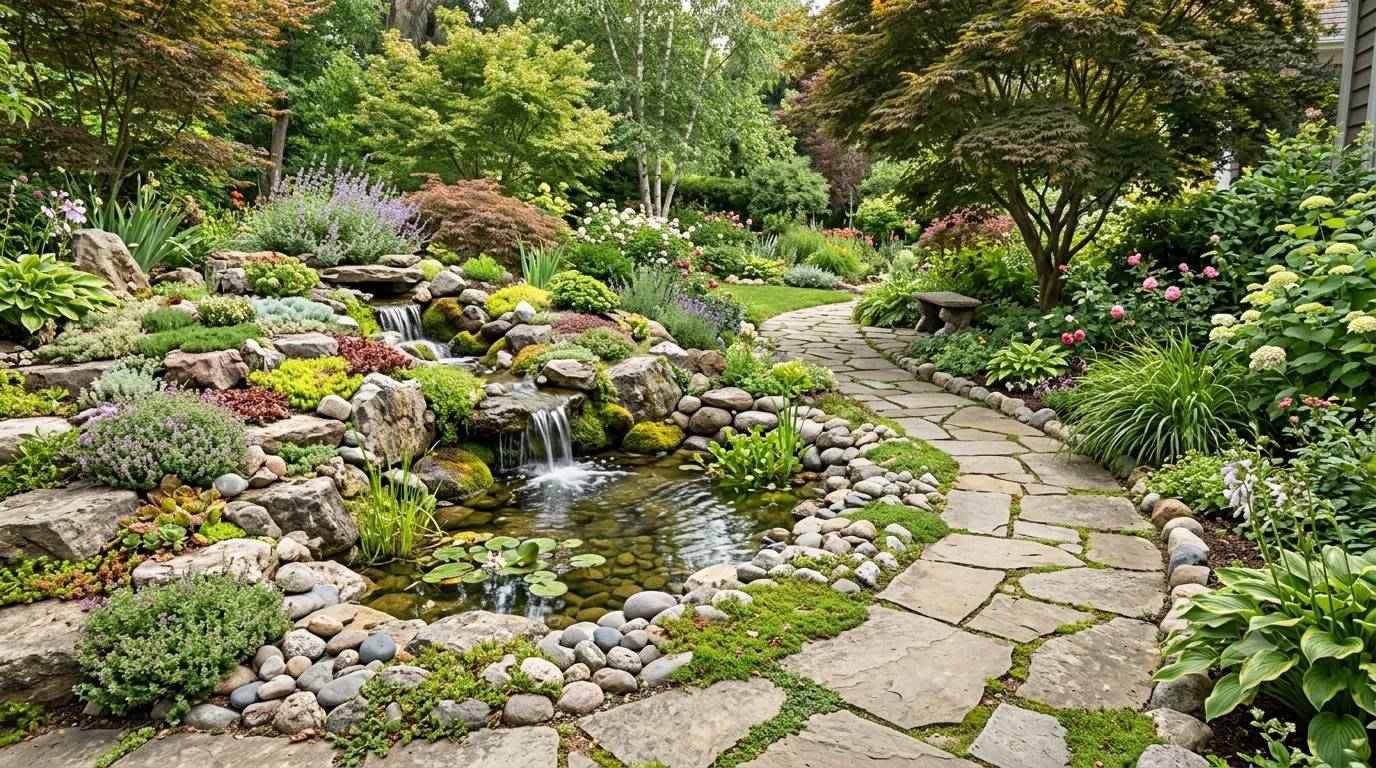
Japanese Garden
Focuses on:
- Simplicity
- Balance
- Water
- Rocks
- Moss
- Peaceful spaces
Mediterranean Garden
Typically includes:
- Gravel paths
- Olive trees
- Lavender
- Terracotta pots
- Drought-tolerant plants
Tropical Garden
Characterized by:
- Large foliage
- Bold colors
- Dense planting
- Water features
Choose a style that complements both your home and personal taste.
Common Garden Design Mistakes to Avoid
Many problems stem from poor planning.
Avoid these common mistakes:
- Planting too close together
- Ignoring mature plant size
- Choosing plants unsuited to the climate
- Neglecting drainage
- Overusing decorative features
- Forgetting maintenance needs
- Creating insufficient seating
- Installing inadequate lighting
Simple planning prevents expensive corrections.
Garden Maintenance Tips
Even the best-designed gardens need ongoing care.
Maintain your garden by:
- Watering consistently
- Pruning regularly
- Feeding plants appropriately
- Removing weeds
- Refreshing mulch annually
- Cleaning hardscape surfaces
- Inspecting irrigation systems
- Monitoring for pests early
Routine maintenance preserves both beauty and plant health.
Frequently Asked Questions
How do I design a garden on a budget?
Start with a simple layout, improve your soil, reuse existing materials where possible, choose young plants instead of mature specimens, and complete the project in phases. A thoughtful plan often delivers better results than spending heavily all at once.
What are the most important elements of a successful garden?
A successful garden combines functional layout, healthy soil, suitable plants, comfortable seating, proper lighting, seasonal interest, and easy maintenance. These elements work together to create a space that is both beautiful and practical.
How can I make a small garden look bigger?
Use vertical planting, define clear pathways, limit clutter, repeat plant varieties, include mirrors or reflective surfaces, and keep the color palette cohesive. Layering plants at different heights also creates a greater sense of depth.
How often should I update my garden design?
A complete redesign is rarely necessary. Most gardens benefit from small seasonal improvements, replacing underperforming plants, refreshing mulch, updating outdoor furniture, and adapting the layout as your needs change over time.
Final Thoughts
A thoughtfully designed garden is one of the most rewarding investments you can make in your home. It offers beauty, comfort, and a deeper connection to the natural world while creating a space that supports relaxation, entertainment, and everyday living.
The most successful gardens aren’t defined by their size or cost. They succeed because every element has a purpose, from the placement of pathways to the choice of plants and outdoor seating. By understanding your space, following sound design principles, and planning for long-term growth and maintenance, you can create an outdoor environment that remains attractive and functional through every season.
Whether you’re starting from an empty yard or refreshing an existing landscape, take your time, build thoughtfully, and allow your garden to evolve naturally. A well-designed outdoor space grows more beautiful with each passing year, becoming a lasting source of enjoyment for you, your family, and the wildlife it welcomes.