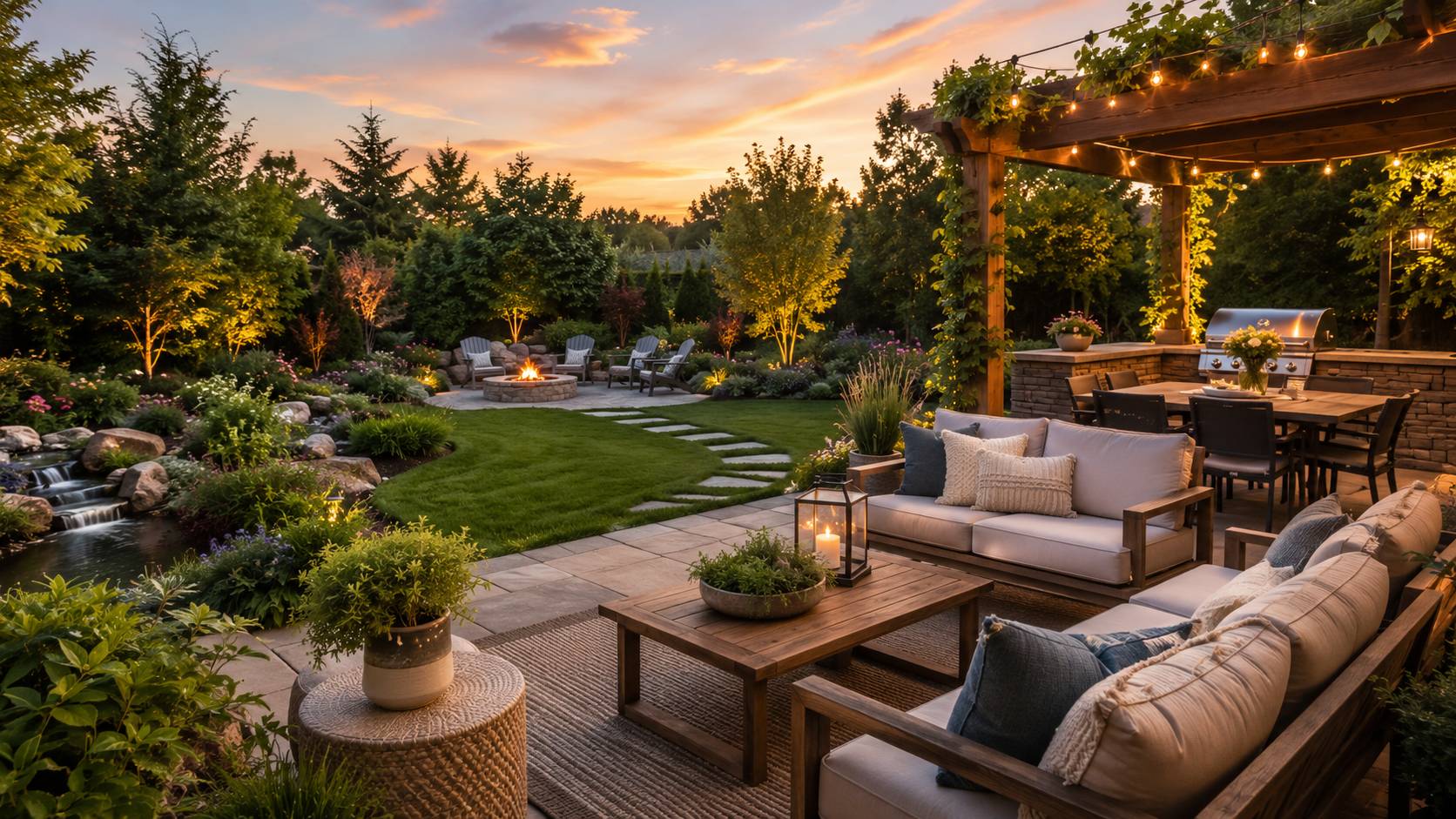
A well-designed garden does more than improve your home’s appearance. It creates a place where you can unwind after a busy day, spend quality time with family, host friends, or simply enjoy a quiet morning with a cup of coffee. Outdoor living has become an essential part of modern homes because people increasingly value spaces that support both comfort and connection with nature.
The good news is that creating an inviting outdoor space doesn’t require a massive backyard or an unlimited budget. With thoughtful planning, smart furniture choices, and attention to comfort, almost any garden can become an extension of your living space.
This guide explores practical ideas for designing an outdoor garden that works beautifully for relaxation, entertaining, and everyday living while remaining functional throughout the year.
Why Outdoor Living Matters More Than Ever
Modern lifestyles often keep us indoors for long hours. Spending more time outside offers benefits that go beyond aesthetics.
A thoughtfully designed outdoor area can help:
- Reduce daily stress
- Improve mental well-being
- Encourage more family interaction
- Create additional usable living space
- Increase property value
- Support healthier lifestyles through fresh air and natural surroundings
Rather than treating the garden as something to look at, many homeowners now see it as another room of the house.
Start With a Purpose
Before choosing plants or buying furniture, decide how you want your outdoor space to serve your lifestyle.
Ask yourself:
- Will this primarily be a peaceful retreat?
- Do you enjoy hosting outdoor dinners?
- Do children need space to play?
- Will pets regularly use the garden?
- Would you like an outdoor workspace?
- Is gardening itself your main hobby?
Many successful gardens combine several of these purposes by creating distinct zones.
Divide Your Garden Into Functional Areas
Large or small, gardens become more practical when organized into dedicated spaces.
Relaxation Zone
Create an area designed specifically for unwinding.
Consider including:
- Comfortable lounge chairs
- Hammocks
- Daybeds
- Shade umbrellas
- Water features
- Soft planting around seating
Adding privacy with hedges, decorative screens, or climbing plants helps create a peaceful atmosphere.
Dining and Entertaining Area
Outdoor meals become much more enjoyable with a dedicated dining space.
Features may include:
- Dining table and chairs
- Outdoor kitchen or grill
- Serving counter
- Beverage station
- String lighting
- Weather-resistant flooring
Position the dining area close to your indoor kitchen whenever possible for convenience.
Family Activity Space
Families often benefit from an open section where children can safely play or adults can enjoy casual outdoor activities.
This area might include:
- Lawn space
- Outdoor games
- Fire pit seating
- Flexible furniture
- Picnic blankets
Keeping this area open allows it to adapt to different occasions.
Garden and Nature Corner
Many homeowners enjoy growing flowers, herbs, vegetables, or native plants.
Raised garden beds, container gardens, or vertical planting systems make gardening accessible even in smaller spaces.
This area also encourages birds, butterflies, and beneficial pollinators.
Choose Comfortable Outdoor Furniture
Furniture plays one of the biggest roles in making people actually spend time outside.
Look for pieces that balance durability and comfort.
Popular materials include:
- Teak
- Powder-coated aluminum
- Resin wicker
- Stainless steel
- Weather-resistant fabrics
Comfort upgrades include:
- Thick outdoor cushions
- Throw pillows
- Side tables
- Outdoor rugs
- Adjustable loungers
Choose furniture based on how many people usually use the space rather than only occasional gatherings.
Make Shade a Priority
Direct sunlight can make even the most beautiful garden uncomfortable.
Effective shade options include:
- Pergolas
- Retractable awnings
- Shade sails
- Large umbrellas
- Gazebos
- Mature trees
Combining natural and built shade often provides the best year-round comfort.
Add Lighting for Evening Enjoyment
Good lighting extends the usability of your garden well after sunset.
Layer different types of lighting for both function and atmosphere.
Examples include:
- Path lights
- Solar lights
- String lights
- Lanterns
- Spotlights
- Step lighting
- Accent lighting for trees
Warm lighting generally creates a more inviting atmosphere than overly bright white lighting.
Use Plants to Create Comfort
Plants are much more than decoration.
They provide:
- Privacy
- Shade
- Cooler temperatures
- Noise reduction
- Seasonal interest
- Wildlife habitat
A balanced landscape often combines:
- Evergreen shrubs
- Flowering perennials
- Ornamental grasses
- Trees
- Ground covers
- Climbing vines
Selecting plants suited to your local climate reduces maintenance while improving long-term success.
Include Water Features for a Relaxing Atmosphere
The sound of moving water naturally creates a calming environment.
Options include:
- Small fountains
- Garden ponds
- Wall-mounted water features
- Cascading waterfalls
- Reflecting pools
Even compact gardens can accommodate simple water features without requiring significant maintenance.
Keep the Design Comfortable Throughout the Seasons
A great outdoor living space should remain useful for much of the year.
Summer additions:
- Ceiling fans
- Shade structures
- Misting systems
Cool weather features:
- Fire pits
- Patio heaters
- Outdoor blankets
- Windbreak planting
These additions extend outdoor enjoyment beyond a single season.
Create Privacy Without Feeling Closed In
Privacy helps outdoor spaces feel more relaxing.
Popular solutions include:
- Living hedges
- Bamboo screens
- Decorative fencing
- Trellises
- Climbing vines
- Tall ornamental grasses
Layering plants with structures often produces the most natural appearance.
Select Low-Maintenance Materials
A beautiful garden should not require constant upkeep.
Choose materials designed for durability.
Examples include:
- Composite decking
- Stone paving
- Gravel pathways
- Native plants
- Automatic irrigation
- Mulched planting beds
Reducing maintenance means you’ll spend more time enjoying the garden rather than working in it.
Add Personal Style
Outdoor spaces become memorable when they reflect the homeowner’s personality.
Personal touches might include:
- Outdoor artwork
- Decorative pots
- Sculptures
- Fire bowls
- Unique planters
- Colorful cushions
- Garden benches
- Handmade décor
The goal is creating a space that feels welcoming rather than overly decorated.
Don’t Forget Storage
Outdoor living works best when everything has a place.
Useful storage ideas include:
- Deck boxes
- Built-in benches
- Outdoor cabinets
- Garden sheds
- Hidden storage seating
Keeping tools, cushions, and accessories organized makes daily use much easier.
Sustainable Garden Design Ideas
Environmentally friendly choices benefit both homeowners and the landscape.
Consider incorporating:
- Rainwater harvesting
- Compost bins
- Native plants
- Pollinator gardens
- Solar lighting
- Drip irrigation
- Permeable paving
Sustainable gardens often require less water, fewer chemicals, and lower maintenance over time.
Common Mistakes to Avoid
Even beautiful gardens can become frustrating if basic planning is overlooked.
Avoid these common issues:
- Buying oversized furniture for small spaces
- Ignoring sun and shade patterns
- Using too many plant varieties
- Forgetting outdoor storage
- Choosing high-maintenance materials
- Installing insufficient lighting
- Leaving no open walking paths
- Neglecting drainage
Planning carefully before building helps avoid expensive changes later.
Frequently Asked Questions
How can I make a small garden feel larger?
Use vertical planting, light-colored paving, mirrors, and multi-functional furniture. Keeping the layout simple and reducing clutter also creates a greater sense of space.
What is the best flooring for outdoor living areas?
Popular options include natural stone, porcelain pavers, concrete, composite decking, gravel, and brick. The right choice depends on your climate, maintenance preferences, and budget.
Which plants require the least maintenance?
Native plants, ornamental grasses, evergreen shrubs, lavender, succulents, and drought-tolerant perennials typically require less watering and ongoing care once established.
How do I make my garden usable year-round?
Combine shade structures, outdoor heating, layered lighting, weather-resistant furniture, and seasonal planting to keep the space comfortable throughout the changing seasons.
Is outdoor living a good investment?
Yes. Well-designed outdoor spaces often improve everyday quality of life while increasing curb appeal and adding value to a property. Features such as patios, seating areas, and attractive landscaping are especially appealing to many buyers.
Conclusion
A thoughtfully designed outdoor living space can become one of the most enjoyable parts of your home. Whether your goal is peaceful relaxation, lively gatherings, family time, or simply spending more moments surrounded by nature, a well-planned garden supports the way you live every day.
Focus on creating functional zones, choosing comfortable furniture, incorporating natural greenery, and adding practical features like lighting, shade, and storage. By balancing beauty with usability, your garden becomes more than an outdoor area—it becomes a welcoming extension of your home that offers comfort, connection, and lasting enjoyment in every season.