Creating an elegant home doesn’t require a huge budget or chasing the latest interior design trends. In fact, the most beautiful homes often share one important quality: they stand the test of time. Instead of relying on trendy colors or fashionable furniture that quickly feels outdated, timeless design focuses on balance, quality, comfort, and thoughtful details.
Whether you’re decorating a new home, renovating a room, or simply refreshing your living space, choosing classic design elements helps create an environment that remains stylish for years. Better yet, timeless interiors are easier to maintain, adapt, and personalize as your lifestyle evolves.
This guide explores the key principles of timeless interior design and shows you how to create elegant living spaces that never go out of style.
What Is Timeless Interior Design?
Timeless interior design is an approach that prioritizes lasting beauty over temporary trends. Rather than following what’s popular this season, it focuses on elements that have consistently looked attractive across decades.
A timeless home typically includes:
- Clean, balanced layouts
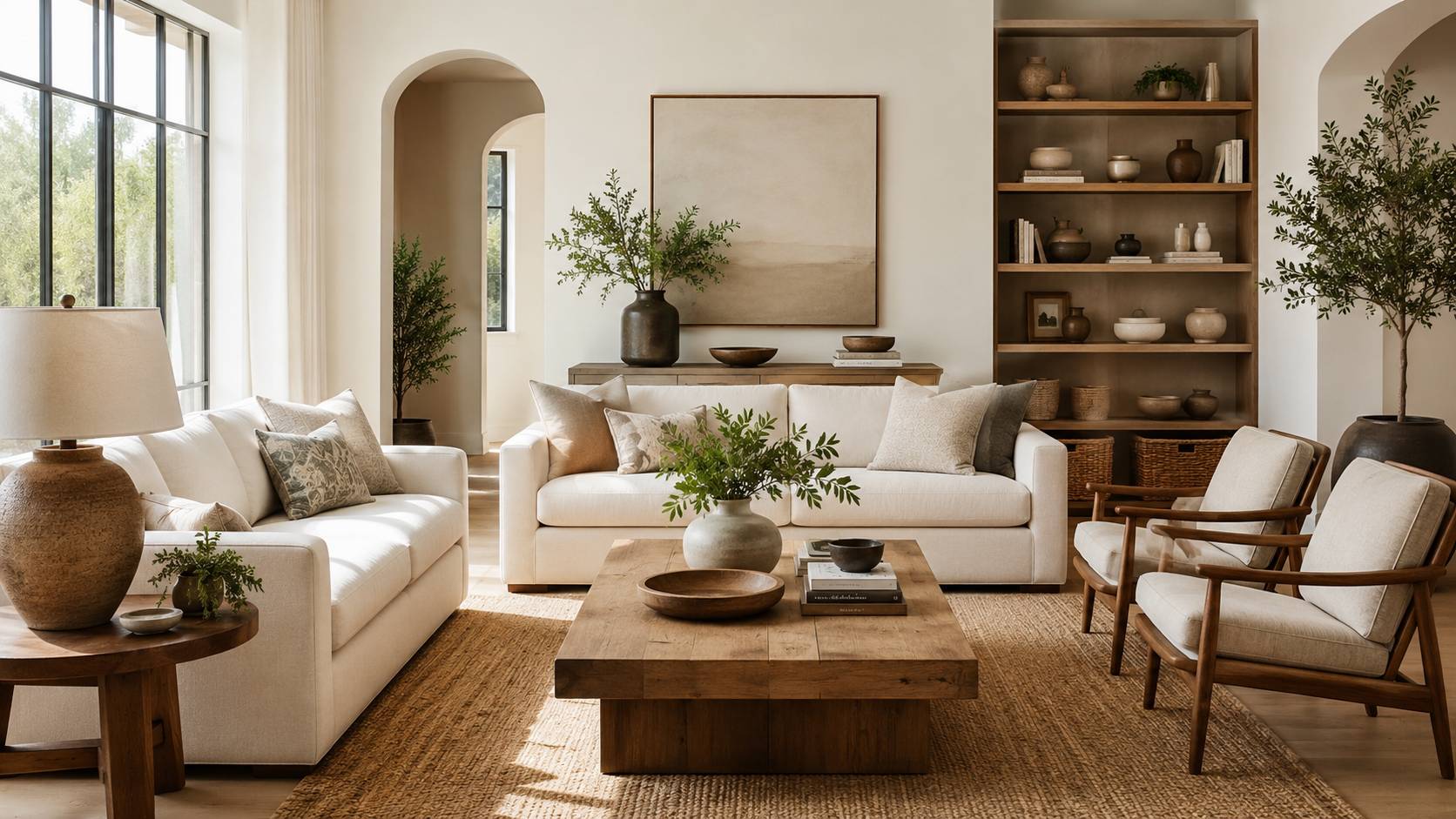
- Neutral color palettes
- High-quality materials
- Functional furniture
- Natural textures
- Thoughtful lighting
- Minimal clutter
- Personal touches that reflect the homeowner
The goal isn’t to create a space that feels old-fashioned. Instead, it’s about designing a home that continues to feel fresh, welcoming, and sophisticated regardless of changing trends.
Start with a Neutral Color Palette
Color forms the foundation of every room. Neutral shades create a calm backdrop that allows furniture, artwork, and architectural details to shine.
Popular timeless colors include:
- Warm white
- Soft beige
- Cream
- Light gray
- Taupe
- Greige
- Sand tones
These colors reflect natural light, make rooms appear larger, and work well with almost every decorating style.
Instead of painting every wall with bold colors, consider using vibrant accents through:
- Cushions
- Artwork
- Rugs
- Decorative accessories
- Plants
This makes it much easier to update your space without major renovations.
Invest in Quality Furniture
Elegant homes prioritize quality over quantity.
Well-built furniture often lasts for decades while maintaining both comfort and appearance. Even if quality pieces cost more initially, they frequently provide better long-term value than replacing inexpensive furniture every few years.
Look for furniture with:
- Solid wood construction
- Durable upholstery
- Clean silhouettes
- Comfortable proportions
- Classic shapes instead of trendy designs
A timeless sofa, dining table, or bed frame can remain the centerpiece of your home for many years.
Choose Natural Materials
Nature-inspired materials rarely fall out of fashion because they bring warmth, texture, and authenticity into a home.
Popular timeless materials include:
- Wood
- Stone
- Marble
- Linen
- Cotton
- Leather
- Wool
- Rattan
Mixing these materials creates depth without making the room feel busy.
For example, a wooden dining table paired with linen chairs and a stone centerpiece feels elegant while remaining comfortable and inviting.
Keep the Layout Functional
Beautiful rooms aren’t just attractive—they’re easy to live in.
Before buying furniture, think about how people move through the space.
Good layouts should:
- Allow comfortable walking paths
- Encourage conversation
- Maximize natural light
- Avoid overcrowding
- Balance visual weight throughout the room
Every piece should serve a purpose, whether functional or decorative.
If a room feels cramped, removing one unnecessary item often improves it more than adding something new.
Layer Different Textures
Texture adds richness without overwhelming the room.
Even a neutral color scheme feels inviting when different materials are layered together.
Consider combining:
- Linen curtains
- Wool throws
- Wooden furniture
- Glass accessories
- Ceramic vases
- Woven baskets
- Soft area rugs
These subtle contrasts create visual interest while maintaining a refined appearance.
Let Natural Light Take Center Stage
Natural light is one of the most valuable design features any home can have.
Large windows, sheer curtains, and thoughtfully placed mirrors help brighten interiors and make spaces feel larger.
To maximize daylight:
- Keep window treatments light.
- Avoid blocking windows with bulky furniture.
- Use mirrors to reflect sunlight.
- Choose lighter wall colors.
A naturally bright room instantly feels more open, elegant, and welcoming.
Use Lighting in Layers
Lighting dramatically influences how a room feels.
Rather than relying on a single ceiling fixture, combine different lighting sources.
A balanced lighting plan includes:
Ambient Lighting
General lighting for everyday use.
Task Lighting
Focused lighting for reading, cooking, or working.
Accent Lighting
Highlights artwork, architectural features, or decorative objects.
Table lamps, wall sconces, pendant lights, and floor lamps work together to create warmth and flexibility throughout the day.
Decorate with Intention
Elegant homes avoid unnecessary clutter.
Instead of filling every shelf or tabletop, carefully choose meaningful decorative pieces.
Examples include:
- Family photographs
- Handmade ceramics
- Books
- Sculptures
- Fresh flowers
- Indoor plants
- Travel souvenirs
- Framed artwork
Each item should contribute to the room’s personality rather than simply occupying space.
Bring Nature Indoors
Natural elements soften interiors and make them feel more alive.
Indoor plants improve visual appeal while introducing color and texture.
Easy choices include:
- Snake plants
- Peace lilies
- Pothos
- Rubber plants
- Olive trees
- Fiddle leaf figs
Fresh flowers also provide seasonal beauty without requiring permanent design changes.
Choose Classic Patterns
Patterns can add character without overwhelming a room.
Timeless options include:
- Stripes
- Plaids
- Herringbone
- Subtle florals
- Geometric designs
- Checks
Use patterns thoughtfully through cushions, curtains, rugs, or upholstery while keeping larger furniture relatively simple.
This creates balance and allows accessories to evolve over time.
Focus on Craftsmanship
Elegant design isn’t only about appearance.
Details matter.
Look for:
- Clean stitching
- Quality finishes
- Solid hardware
- Durable construction
- Well-made cabinetry
- Smooth paintwork
These elements often separate luxurious-looking homes from those that feel temporary.
Mix Old and New
One secret behind timeless interiors is avoiding rooms that look like everything was purchased at once.
Combine:
- Vintage furniture
- Modern lighting
- Antique accessories
- Contemporary artwork
- Handmade décor
This layered approach gives the home character and prevents it from feeling like a showroom.
Prioritize Comfort
A truly elegant home should also feel comfortable.
Choose furniture that’s enjoyable to use, not just attractive to look at.
Comfort comes from:
- Soft fabrics
- Supportive seating
- Cozy throws
- Proper room temperature
- Good lighting
- Quiet spaces
- Functional layouts
Luxury and comfort work best together.
Avoid Short-Lived Trends
Design trends can be fun, but they often change quickly.
Instead of committing to bold trends through expensive purchases, introduce them with accessories that are easy to replace.
For example:
- Decorative pillows
- Throws
- Wall art
- Table décor
- Seasonal decorations
Keep permanent features like flooring, cabinetry, countertops, and sofas classic and versatile.
Create Visual Balance
Balanced rooms naturally feel more peaceful.
Pay attention to:
- Furniture proportions
- Symmetry
- Empty space
- Color distribution
- Height variation
- Lighting placement
Not everything needs to match perfectly, but every room should feel visually harmonious.
Personalize Without Overdecorating
Your home should tell your story.
Add meaningful elements that reflect your interests and experiences while maintaining a clean, cohesive look.
Ideas include:
- Favorite books
- Family heirlooms
- Local artwork
- Handmade crafts
- Travel collections
- Musical instruments
Personal details make a timeless home feel authentic rather than staged.
Common Mistakes That Make a Home Feel Dated
Avoid these common design mistakes:
- Following every new trend
- Buying low-quality furniture
- Overcrowding rooms
- Ignoring lighting
- Using too many bold colors
- Matching every piece of furniture
- Decorating without considering functionality
- Neglecting maintenance and repairs
Simple, thoughtful choices usually create more lasting beauty than expensive, trend-driven makeovers.
Frequently Asked Questions
What makes a home look timeless?
A timeless home combines neutral colors, quality materials, classic furniture, functional layouts, layered lighting, and meaningful décor. It avoids trend-heavy choices and emphasizes balance and durability.
Are neutral colors boring?
Not at all. Neutral colors create a flexible foundation that can be enhanced with textures, artwork, plants, and colorful accessories, making spaces feel warm and inviting rather than plain.
Can timeless design work in small homes?
Yes. In fact, timeless design often works exceptionally well in smaller spaces because it emphasizes simplicity, functionality, natural light, and uncluttered layouts.
Is timeless design expensive?
It doesn’t have to be. Prioritizing a few well-made pieces, choosing versatile materials, and decorating gradually often costs less over time than constantly replacing trendy items.
Conclusion
Elegant living isn’t about owning the most expensive furniture or following the latest design trend. It’s about creating a home that feels welcoming, functional, and beautiful year after year. By choosing quality materials, embracing neutral color palettes, investing in well-crafted furniture, layering natural textures, and decorating with intention, you can build a space that reflects both your personality and enduring style.
The beauty of timeless design lies in its flexibility. As your life changes, your home can evolve with it—without losing its sense of harmony and sophistication. When every design choice is made with care rather than impulse, your home becomes more than just a place to live. It becomes a space you’ll continue to enjoy for many years to come.